Roadside Emergency Tool Checklist
Preparing for unexpected car trouble can make a big difference when you are on the road. A well-organized roadside emergency tool checklist helps drivers handle minor issues and stay safe until help arrives. It provides peace of mind knowing you have the basic items needed for common problems.
This guide covers essential tools and supplies for your vehicle. It includes items for flat tires, battery issues, and visibility. The information helps beginners assemble a useful emergency kit for their car.
Key Takeaways
- A comprehensive emergency kit improves safety during vehicle breakdowns.
- Essential tools address common problems like flat tires and dead batteries.
- Visibility and first aid items are crucial for personal safety.
- Communication and comfort items help while waiting for assistance.
Why You Need a Roadside Emergency Tool Checklist
Be Prepared for the Unexpected
Car breakdowns can happen at any time, often when least expected. Having a roadside emergency tool checklist means you are ready for these situations. It helps prevent a minor inconvenience from becoming a major problem.
Being prepared can save time and reduce stress. It allows you to address simple issues yourself, like a flat tire. This readiness also helps you stay calm when a more serious problem occurs.
Stay Safe on the Road
Safety is a primary concern during a roadside emergency. A proper kit includes items that protect you and your passengers. It also helps alert other drivers to your presence.
Visibility tools, for example, make your vehicle more noticeable. First aid supplies address minor injuries. These items contribute to overall safety until professional help can reach you.
Essential Tools for Common Car Troubles
Flat Tire Fixes
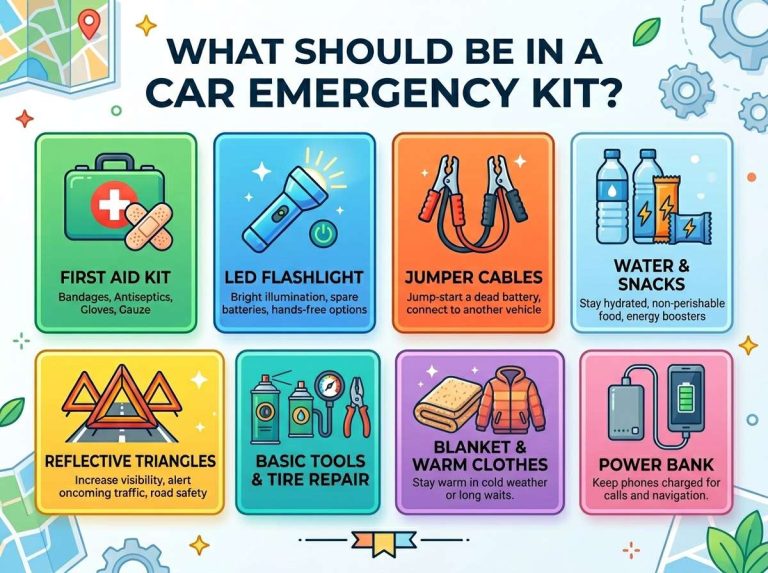
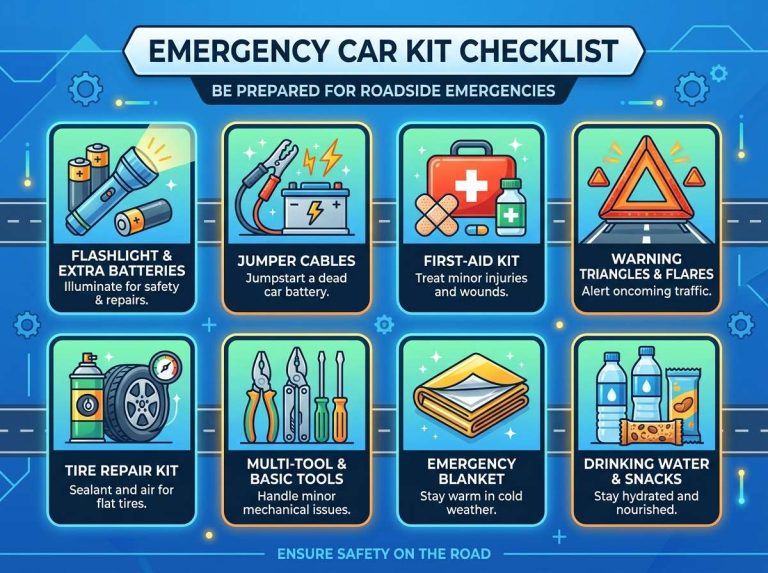
A flat tire is one of the most common roadside issues. Having the right tools makes changing a tire much easier. These items are usually found in most vehicles, but checking them is important.
A spare tire is essential, along with a jack and a lug wrench. A tire pressure gauge helps ensure the spare is properly inflated. Some kits also include a tire repair kit or sealant for temporary fixes.
Battery Boosters
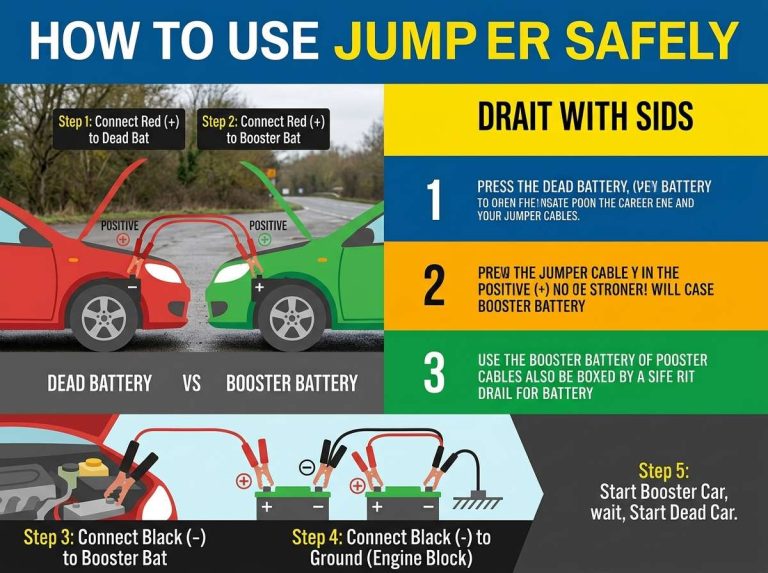
A dead battery can leave you stranded. Jumper cables are vital for getting your car started again with the help of another vehicle. It is important to know how to use them safely.
Portable jump starters offer an alternative to jumper cables. These devices do not require a second vehicle. They provide a quick boost to your battery. Also, a battery terminal cleaner can help maintain good connections.
Basic Car Repair Tools
Some basic tools can address minor mechanical issues. A set of screwdrivers and pliers can be useful for small adjustments. An adjustable wrench is also versatile for various tasks.
Duct tape and zip ties can provide temporary fixes for loose parts. A multi-tool combines several functions into one compact device. These items are not for major repairs but can help in a pinch.
Safety and Visibility Items
Making Yourself Seen
Visibility is crucial, especially during night or bad weather. Reflective triangles or road flares warn approaching drivers of your stopped vehicle. They create a safety zone around your car.
A bright flashlight or headlamp helps you see while working on your car. It also makes you visible to others. Wearing a reflective vest further enhances your visibility to passing traffic.
First Aid on the Go
A basic first aid kit is important for treating minor injuries. It should include bandages, antiseptic wipes, and pain relievers. Gauze pads and medical tape are also useful.
Consider adding any personal medications you might need. A pair of sterile gloves can be helpful when administering aid. This kit addresses small cuts, scrapes, or other minor ailments that can occur during an emergency.
Communication and Navigation Essentials
Staying Connected
Being able to communicate is vital during a breakdown. A fully charged mobile phone is your primary tool for calling for help. A portable power bank ensures your phone stays charged.
In areas with no cell service, a satellite messenger or a two-way radio might be useful. These devices offer alternative ways to contact emergency services or family. Keeping emergency contact numbers handy is also a good practice.
Finding Your Way
Even with GPS, a physical map can be a lifesaver if your phone battery dies. A compass can also help with navigation if you are unfamiliar with the area. These tools are reliable when electronic devices fail.
Knowing your exact location is important when calling for roadside assistance. A paper map provides a backup for identifying landmarks or street names. This helps guide emergency services to your position.
Comfort and Convenience Items
Waiting Out the Wait
Waiting for help can take time, especially in remote areas. A blanket or emergency space blanket provides warmth in cold conditions. Non-perishable snacks and bottled water keep you nourished and hydrated.
A small amount of cash is useful for unexpected tolls or purchases. These items make the waiting period more bearable. They address basic needs while you wait for assistance to arrive.
Personal Comfort in an Emergency
Comfort items can help reduce stress during a breakdown. Wet wipes or hand sanitizer maintain hygiene. A small pillow can make waiting in the car more comfortable.
A book or small game can provide a distraction. These items contribute to a more positive experience during a challenging situation. They help pass the time more pleasantly.
Assembling Your Roadside Emergency Kit
Picking a Container
The right container keeps your items organized and accessible. A sturdy plastic bin with a lid is often a good choice. It protects contents from moisture and dust.
A duffel bag or backpack can also work, especially if space is limited. The container should fit easily in your trunk or under a seat. It needs to be durable enough for vehicle storage.
Organizing Your Tools
Organizing your kit makes it easy to find what you need quickly. Group similar items together, such as tire repair tools or first aid supplies. Use smaller bags or pouches inside the main container.
Labeling these smaller bags can also be helpful. Keep the most frequently used items near the top. This structured approach ensures efficiency during an emergency.
Regular Kit Checks
An emergency kit is only useful if its contents are in good condition. Check your kit periodically. Replace expired items like food, water, or medications.
Ensure batteries in flashlights or power banks are charged. Verify that your spare tire has proper pressure. Regular checks ensure your kit is always ready when you need it.
Frequently Asked Questions
What is the most important item to have in a roadside emergency kit?
The most important item is arguably a fully charged mobile phone. It allows you to call for help and communicate your location. Without communication, other tools might be less effective.
How often should I check my emergency kit?
It is recommended to check your emergency kit periodically. This helps ensure all items are present, functional, and not expired. A good time to check is during seasonal vehicle maintenance.
Should I carry water in my emergency kit?
Yes, carrying bottled water is highly recommended. It helps you stay hydrated, especially during long waits or in hot weather. Non-perishable snacks are also a good idea.
What if I don’t know how to use some of the tools?
It is wise to familiarize yourself with how to use each tool before an emergency. Practice changing a tire or using jumper cables in a safe environment. You can also watch instructional videos.
Is a roadside assistance membership enough?
While a roadside assistance membership is valuable, it is not always enough. There might be delays in service, or you could be in an area without coverage. A personal emergency kit provides immediate solutions and enhances safety.
Conclusion
Creating a roadside emergency tool checklist is a proactive step for any driver. It covers common car troubles, ensures personal safety, and helps with communication. A well-stocked and organized kit provides confidence on the road.
Regular maintenance of your kit ensures its reliability when needed most. Being prepared means you can handle unexpected situations calmly and effectively. This approach ultimately contributes to a safer driving experience.

Peterson is an automotive safety enthusiast and product reviewer with a passion for helping drivers stay safe on the road. He researches and tests dash cams, backup cameras, TPMS systems, emergency tools, GPS trackers, and other vehicle safety products to provide honest, practical recommendations. Through CarSafeties.com, Peterson shares in-depth reviews, buying guides, and maintenance tips to help drivers make smarter and safer decisions.