How To Change A Flat Tire
Getting a flat tire is one of the most common car problems. Knowing how to change one lets you get back on the road without waiting for help. This guide explains what a flat tire is, what tools you need, and how to do the job safely.
You will also learn how to prepare your work area and which mistakes beginners often make. A short FAQ at the end answers common questions. Read it once before you need it, so the process feels familiar.
Key Takeaways
- Park on flat, firm ground and turn on your hazard lights before you start.
- Loosen the lug nuts while the car is still on the ground.
- Lift the car only at the correct jack point listed in your owner’s manual.
- Tighten the lug nuts in a star pattern, then recheck them after driving a short distance.
Why Knowing How to Change a Flat Tire Matters
A flat can happen at any time, often on a busy road or late at night. Swapping the tire yourself saves time and reduces stress. It also keeps you from waiting for a tow truck in an unsafe spot.
Basic tire skills help you spot problems early. You learn where your spare and tools are stored and how your car lifts. That knowledge makes a roadside emergency easier to handle.
What a Flat Tire Is and Why It Happens
A flat tire has lost enough air pressure to be unsafe or unusable. Air sits in a sealed space between the rubber and the wheel rim. When that space leaks, the tire sags and can no longer support the car properly.
Tires can go flat slowly or all at once. A slow leak may only show as a low tire warning light. A sudden loss of air is more dangerous and calls for pulling over right away.
Common Causes of Tire Punctures and Air Loss
The most common cause is a puncture from a sharp object, such as a nail, screw or piece of glass. These objects often lodge in the tread and let air escape slowly. Potholes and sharp road edges can also damage tires.
Other causes include worn tread, sidewall damage, a faulty valve stem and leaks where the tire meets the rim. Checking pressure regularly helps prevent many of these problems.
Signs Your Tire Is Going Flat
Watch for a dashboard warning light, which often looks like a tire with an exclamation mark. A steering wheel that pulls to one side can also signal a low tire.
You may also notice a thumping or flapping sound, or a car that feels wobbly. If you see these signs, slow down gently and find a safe place to stop. Check each tire to confirm.
Tools and Equipment You Need Before You Start
Most cars come with the basic tools needed to change a tire. These are usually stored in the trunk or under the cargo floor. Check that everything is there, and learn where each item is kept.
The Spare Tire, Jack and Lug Wrench
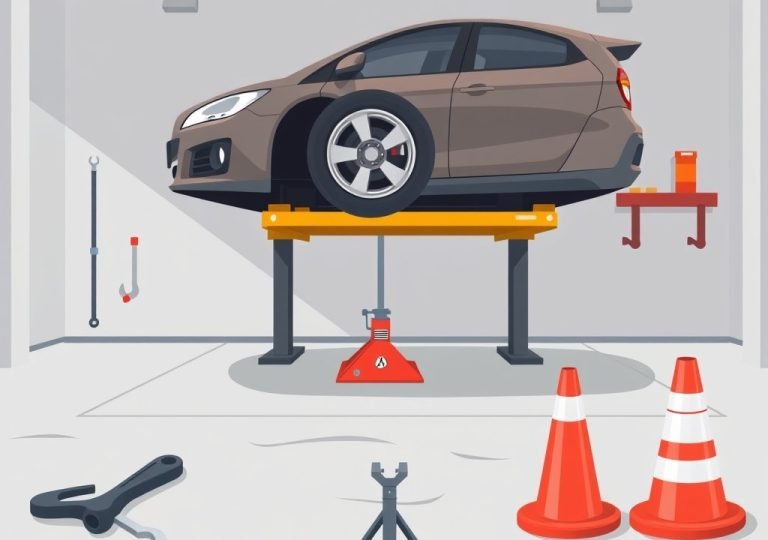
The spare tire replaces the flat. The jack lifts the car so the wheel can come off. The lug wrench loosens and tightens the lug nuts that hold the wheel in place.
Some newer vehicles do not include a spare. They may use a repair kit or sealant instead. Your owner’s manual will show exactly what your car includes.
Optional Tools That Make the Job Easier
Wheel chocks are wedges that stop the wheels from rolling. A flashlight helps you work safely at night, and gloves protect your hands from dirt and grease.
A tire pressure gauge is useful for checking the spare later. None of these items is required, but they can make the process smoother.
Preparing Your Vehicle and Work Area Safely
Safety comes first. Make sure the car is in a safe position before you touch the jack or the wheel.
Finding a Flat, Level and Safe Spot
Pull over as far as you safely can, away from moving traffic. Choose ground that is flat, level and firm, such as pavement. Avoid soft soil, slopes and curves where the car could shift.
On a highway, stop on the shoulder and keep passengers away from the road. If the area feels unsafe, call for help instead.
Using Hazard Lights, Wheel Chocks and Parking Brake
Turn on your hazard lights so other drivers can see you. Set the parking brake firmly, and put the car in park for an automatic or first gear for a manual.
Place wheel chocks against the tires on the opposite corner from the flat. For example, if the front left tire is flat, block the rear right tire. Chocks help keep the car from rolling while it is raised.
Step-by-Step: How to Change a Flat Tire
These steps follow the usual order for most passenger cars. Check your owner’s manual for details specific to your vehicle. Keep your hands clear of the car while it is lifted.
Loosening the Lug Nuts Before Lifting
Remove the hubcap or wheel cover if your car has one. Fit the lug wrench onto the first lug nut and turn it counterclockwise. Loosen each nut about one turn, but do not remove them yet.
Loosen the nuts while the tire is still on the ground. The wheel will not spin freely once the car is lifted.
Positioning the Jack at the Correct Lift Point
Find the jack point near the flat tire. Your owner’s manual shows the correct location, usually a reinforced spot on the frame or pinch weld. A jack in the wrong spot can damage the car or cause it to slip.
Set the jack on firm, level ground. Raise the car slowly until the flat tire is about an inch off the ground, and check that the jack stays stable.
Removing the Flat and Mounting the Spare
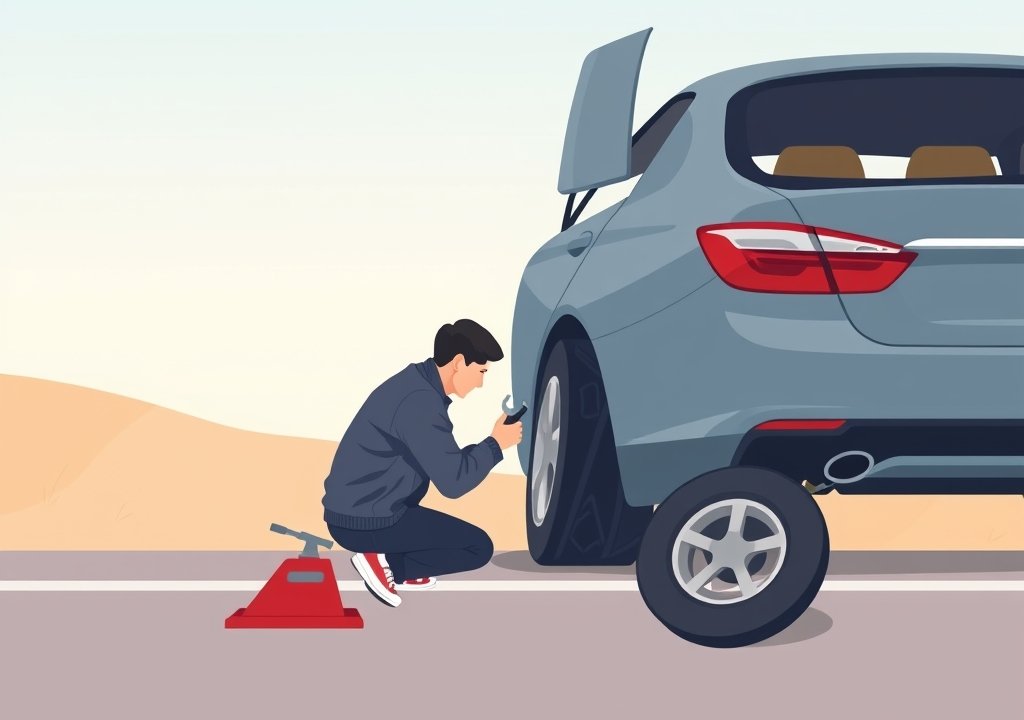
Remove the lug nuts completely and set them somewhere safe. Pull the flat tire straight toward you. Lift the spare onto the wheel studs, lining up the holes carefully.
Push the spare fully onto the studs so it sits flat against the hub. A tire that sits crooked can come loose.
Tightening Lug Nuts in a Star Pattern and Lowering the Car
Thread the lug nuts back on by hand first. Tighten each nut a little at a time in a star or criss-cross pattern. This pulls the wheel on evenly and reduces the risk of wobble.
Lower the car slowly until the spare touches the ground, then fully lower it. Remove the jack, tighten the lug nuts firmly, and return the flat tire and tools to the trunk.
Tips for a Faster and Safer Tire Change
A few habits can make a tire change quicker and reduce mistakes. These tips help on any tire change, especially if you do not do it often.
Keeping Lug Nuts and Parts Organized
Place the lug nuts and hubcap in one spot, such as the hubcap itself, so they do not roll away. Some drivers use a cloth or mat. Keeping parts together saves time when you tighten everything again.
Keep the flat tire near the car until you are ready to store it. This avoids tripping over it while you work.
Checking Spare Tire Pressure and Speed Limits
Spare tires often need a different air pressure than the regular tires. Check the number printed on the spare or listed in the owner’s manual, and use a gauge to confirm it before you drive.
Spare tires are meant for short trips at reduced speed. Read the label on the tire or in the manual for the exact limit. Driving too fast on a temporary spare can cause failure.
Spare Tire Types Compared: Temporary Spare vs. Full-Size Spare
Not all spare tires work the same way. Some are smaller and built only for emergencies, while others match your regular tires. Knowing which type your car has helps you plan the trip after the change.
Temporary Spare (Donut) Limits and Driving Guidelines
A temporary spare, often called a donut, is narrower and lighter than a regular tire. It is designed only for short distances, and most manufacturers recommend limiting speed and distance while using one.
Take the car to a repair shop as soon as you can and replace the flat with a full-size tire. Until then, avoid hard braking, sharp turns and highway speeds.
Full-Size Spare and Run-Flat Tire Differences
A full-size spare matches your other tires in size and tread. It can be driven like a normal tire, though you should still check its pressure and condition. It is often the better choice for longer trips.
Run-flat tires have reinforced sidewalls that let them keep driving for a limited distance after losing air. They usually do not need a spare at all, so check your owner’s manual before attempting a repair.
Common Mistakes Beginners Make When Changing a Tire
Most mistakes happen when a step is skipped or rushed. Learning the common errors ahead of time helps you avoid them. Slow, careful work is usually the fastest path.
Forgetting to Loosen Lug Nuts Before Jacking Up the Car
Many beginners lift the car first and then try to loosen the nuts. Once the wheel is in the air, it spins freely and the nuts are hard to turn. Loosen the nuts while the tire still rests on the ground.
If the nuts seem stuck, use steady, firm pressure rather than sudden force.
Using the Wrong Jack Point or Unstable Ground
Placing the jack in the wrong spot can bend the body or let the car slip off. Always use the lift point shown in your owner’s manual. Avoid plastic trim or thin metal.
Soft soil, sloped ground and loose stones make a jack unstable. If the ground is not firm and level, move the car to a safer spot. A small board under the jack can spread the load on soft surfaces.
What to Do After Changing a Flat Tire
The job is not finished once the spare is on. A few follow-up steps keep you safe and protect the car. Handle these soon after the change.
Getting the Flat Repaired or Replaced
A flat tire can often be repaired if the puncture is in the tread and not too large. Sidewall damage usually means the tire must be replaced. A tire shop can inspect the damage and advise you.
Keep the old tire until the repair is complete, since some shops need to see it.
Rechecking Lug Nut Torque After Driving
Wheel nuts can loosen a little after the first few miles of driving. Check them again after about 50 miles, or sooner if you feel vibration. Keep the spare in the trunk until your regular tire is back on.
Frequently Asked Questions
Can I change a flat tire without a jack?
Most cars need a jack to lift the wheel safely. Some vehicles have tire repair kits or sealant instead of a spare. Without a jack, call roadside assistance rather than trying to lift the car another way.
How long does it take to change a flat tire as a beginner?
Times vary, and a first attempt usually takes longer than expected. Working slowly and carefully matters more than speed. Practicing once in a safe place can build confidence.
How fast can I drive on a temporary spare tire?
Temporary spares are meant for reduced speeds and short distances. The exact limit is printed on the tire or listed in the owner’s manual. Follow that limit and get the flat repaired or replaced soon.
What should I do if my lug nuts are stuck?
Use steady, firm pressure on the wrench rather than sudden force. Keep the wrench fully seated on the nut to avoid slipping. If the nut still will not move, call roadside assistance.
When should I call roadside assistance instead of changing the tire myself?
Call for help if you are on a busy highway, the ground is unsafe, or you feel unwell or unsure. Calling is also wise if the car is hard to lift or the lug nuts will not loosen.
Conclusion
Changing a flat tire is a manageable skill when you know the steps. Prepare a safe spot, loosen the lug nuts before lifting, and use the correct jack point. Tighten the nuts in a star pattern and recheck them after a short drive.
Keep your spare and tools in good condition, and learn your car’s specific details from the owner’s manual. With a little preparation, a roadside flat becomes a problem you can handle calmly.

Peterson is an automotive safety enthusiast and product reviewer with a passion for helping drivers stay safe on the road. He researches and tests dash cams, backup cameras, TPMS systems, emergency tools, GPS trackers, and other vehicle safety products to provide honest, practical recommendations. Through CarSafeties.com, Peterson shares in-depth reviews, buying guides, and maintenance tips to help drivers make smarter and safer decisions.