
Car Alarm Door Trigger Explained
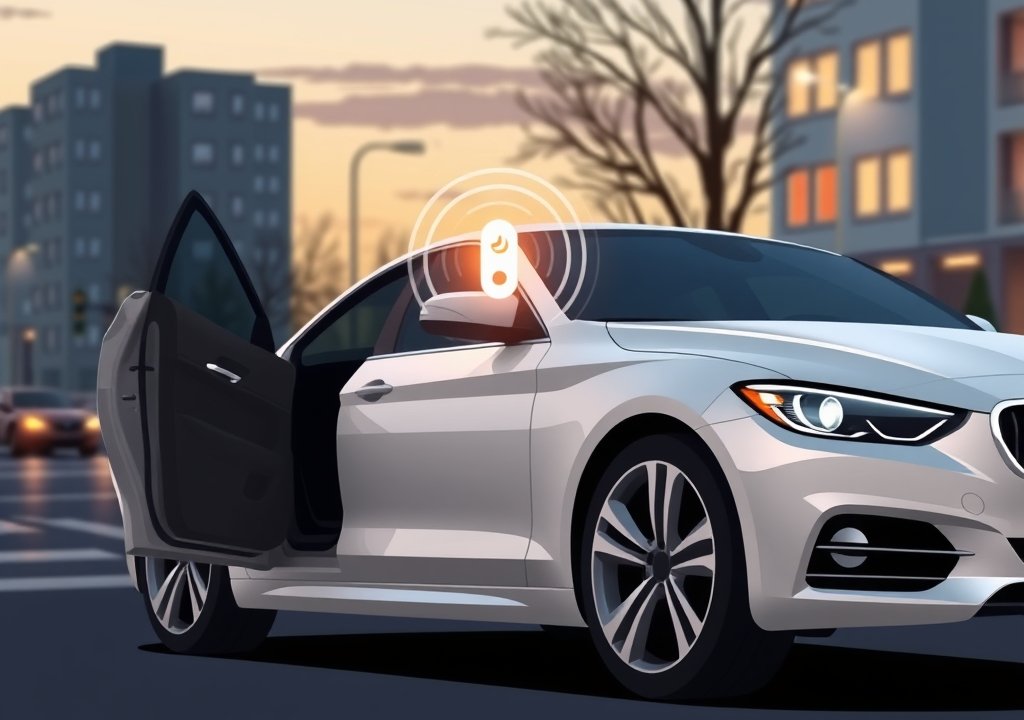
A car alarm door trigger is the part of the alarm system that notices when a door opens. It tells the alarm that someone may be getting into the vehicle. Knowing how this trigger works can help you spot problems early and avoid frustrating false alarms.
This guide explains the basics in plain words. It covers how door triggers work, the main types, common causes of false alarms, and simple checks. It also answers common beginner questions.
Key Takeaways
- A door trigger is a sensor that tells the alarm when a door, trunk or hood opens.
- Most door triggers are simple switches that close or open an electrical circuit.
- Loose wiring, moisture and pets are common reasons for false door alarms.
- Basic checks can be done with simple tools, but complex wiring should go to a professional.
Basic Definition of a Car Alarm Door Trigger
A door trigger is a small sensor linked to the car alarm control unit. It reports if a door is open or closed. When the alarm is armed and the sensor reports an open door, the alarm may sound.
Door triggers are one of the most common inputs in a car alarm system. Many alarms use them as a first warning sign of a break-in.
What Is a Car Alarm Door Trigger?
In simple terms, a door trigger is a switch that changes state when a door moves. The alarm reads that change as a signal. The signal then helps decide if the alarm should react.
The trigger does not decide on its own what to do. It only reports information. The control unit uses that information, along with its settings, to act.
Where the Term Comes From
The word “trigger” means something that starts a reaction. In alarm systems, a trigger is any input that can start the alarm. A door trigger is the input that comes from a door.
Installers and car owners use “door trigger” and “door sensor” in similar ways. Both describe the same basic part.
Why Doors Matter to the Alarm System
Doors are a main entry point for a vehicle. A thief who wants to get inside usually has to open a door first. For this reason, door monitoring is an important part of most alarm designs.
Door triggers also help the alarm tell a parked car apart from one being accessed. This makes the alarm more useful as a security tool.
How a Door Trigger Works
A door trigger sends an electrical signal when the door position changes. Each door usually has its own sensor. The wiring can look complex, but the idea is simple.
The steps below describe the general process. Exact designs vary between alarm brands and vehicle models.
The Sensor Inside the Door Frame
Many door sensors sit inside the door frame or latch area. They are often small switches. When the door closes, the switch closes the circuit.
When the door opens, the switch releases and changes the circuit. The alarm reads this change.
Wiring Between the Door and the Alarm Control Unit
The sensor connects to the control unit through wiring. This wiring usually runs through the hinge area, where cables flex as the door moves. Over time, this flexing can cause wear.
Wiring for each door is often grouped into a harness. Clean, secure connections help the system stay reliable.
What Happens When a Door Opens
When a door opens while the alarm is armed, the sensor changes state and the control unit detects it. Depending on the settings, the alarm may start an entry delay, giving the owner time to disarm it.
If the alarm is not disarmed in time, the siren and lights may activate. The response depends on how the system was programmed and installed.
Wired Door Trigger Plug-ins
Some door triggers plug into an existing wiring point, often near the door pillar. These are common in aftermarket alarm kits.
Installers usually connect them to the vehicle’s own door wiring. This can be simpler, but it requires careful matching of wire colors and terminals.
Types of Door Triggers
Door triggers come in several designs, each detecting movement in a slightly different way. The right type depends on the vehicle and the alarm system.
Contact Switch Sensors
A contact switch sensor is the most common type. Two parts touch when the door is closed and separate when it opens. This simple design is widely used.
Because the parts are mechanical, they can wear over time. Dirt and moisture can also affect contact.
Door Pin and Latch Sensors
Some systems read the position of the door latch or a small pin. When the door closes, the latch moves into place and triggers the sensor.
These sensors are often built into factory door hardware. Repairs may require removing door trim.
Wireless Door Sensors Compared With Wired Ones
Wireless sensors send their signal by radio instead of wires. They are often used in add-on systems where running wiring is difficult, and installation can be quicker.
Wired sensors connect directly to the control unit and do not depend on batteries or radio signals in the same way. Many installers consider wired connections more consistent over the long term, though both types have their place.
Common Causes of False Door Alarms
A false door alarm happens when the system reacts even though no one has broken in. These events are frustrating, but they usually have simple causes.
Loose Wiring and Worn Connections
Loose wires can make the signal flicker, and the control unit may read this as a door opening. Connectors can also loosen after repeated door use. Check plugs for a firm fit and inspect wires that rub against metal edges.
Weather, Humidity and Temperature Effects
Moisture can enter door frames and reach the sensor or wiring, causing short circuits or corrosion. Cold weather can stiffen plastic parts and change how switches move. Many false alarms appear after rain, snow or large temperature changes. Keeping seals and drainage points clear can help.
Pets, Drafts and Doors Left Ajar
Pets that push against doors can move the latch or sensor. Strong wind can also nudge a door slightly open. A door that is not fully closed may trigger the alarm even when it looks shut. Confirm that each door latches fully before arming the system.
Step-by-Step Guide to Checking Your Door Trigger
A basic check can help you find simple faults. Work carefully, avoid forcing parts, and stop if anything feels unclear.
Tools You Need for a Basic Check
A basic check usually needs a flashlight, a small screwdriver set and a multimeter if you have one. A multimeter measures electrical signals. A trim tool can help remove door panels without scratching them. Keep the owner manual nearby, since it often shows which wires belong to each door.
Testing Each Door One at a Time
Start with one door. Open and close it while watching the alarm status light or control panel, if the system has one. Note if the light or display changes as expected. Repeat the process for each door, trunk and hood, and write down results to spot patterns that point to a specific sensor.
When to Call a Professional Installer
Some problems are better handled by a trained installer. These include damaged wiring harnesses, unclear wiring, problems that return after repair, and any issue involving airbags or other vehicle electronics. Trained installers have the right tools and knowledge to work safely around these systems.
Tips for Keeping Door Triggers Working Well
Regular care prevents many door trigger problems. Small habits often make the biggest difference.
Routine Cleaning and Inspection
Clean door seals and drainage holes now and then. Remove dirt, leaves and debris that can trap moisture. Look for cracked wiring insulation near the hinges.
A quick visual check every few months can catch early wear. Fix small issues before they cause false alarms.
Adjusting Sensitivity and Entry Delay Settings
Many alarm systems allow adjustments to sensitivity or entry delay. Sensitivity controls how the alarm reacts to certain inputs. Entry delay gives the owner time to disarm the system after opening a door.
Changing these settings can reduce false alarms, but do it carefully. Settings that are too relaxed may weaken security. Checking the manual first is a sensible step.
Door Triggers Compared With Other Alarm Sensors
Door triggers are only one part of a complete alarm system. Other sensors cover different risks, and comparing them shows the bigger picture.
Door Triggers and Shock Sensors
Door triggers detect when a door moves. Shock sensors detect impacts, such as a window being struck. The two work together, since a break-in often involves both.
Shock sensors can react to passing trucks or heavy rain. Door triggers are usually more specific, though they still depend on proper installation.
Door Triggers and Motion Detectors
Motion detectors watch for movement inside the cabin. Door triggers only report if a door has opened. Motion detectors can react to someone already inside, while door triggers react at the point of entry.
Motion detectors can be affected by pets or loose items moving inside. Many owners combine sensors for balanced coverage.
Legal and Safety Considerations for Car Owners
Car alarms are subject to local rules in many places. Some areas limit how long a siren may sound or require owners to avoid nuisance alarms. Check local regulations before adjusting a system.
Safety matters too. Disconnecting or rerouting wires can affect other systems, including lights and airbags. Work with the battery disconnected and follow the manual. When in doubt, a qualified installer is the safer choice.
Frequently Asked Questions
What does a door trigger do in a car alarm?
A door trigger reports when a door opens or closes. The alarm control unit reads this signal. Depending on the settings, it may start an entry delay or sound the siren.
Can a car alarm door trigger be fixed by a beginner?
Simple tasks, such as cleaning a sensor or checking a connector, are often within a beginner’s reach. Complex wiring work is better left to a professional. Safety and the vehicle’s warranty should guide the decision.
Why does my car alarm go off when I open the door normally?
This often happens when the alarm is armed and the door opens without disarming first. A loose connector or a misaligned sensor can also cause it. Checking the entry delay setting and the wiring is a good place to start.
Do all car alarms use door triggers?
Most car alarm systems include door triggers because doors are a common entry point. Some basic designs rely on other sensors instead. The features depend on the specific system.
How do I know if my door trigger has failed?
A failed door trigger may not register a door opening, or it may register one when the door is closed. The alarm status light or control panel can help you spot these patterns. If problems continue after basic checks, a professional inspection is recommended.
Conclusion
A car alarm door trigger is a simple sensor that reports when a door opens. It gives the alarm system an early signal, and the control unit decides how to respond. Most problems come from loose wiring, moisture, pets or doors that are not fully closed.
Basic checks can be done with simple tools, but complex wiring is best left to a trained installer. Regular cleaning, careful testing and sensible settings help keep the system reliable. With a clear picture of how door triggers work, beginners can troubleshoot common issues with more confidence.

Peterson is an automotive safety enthusiast and product reviewer with a passion for helping drivers stay safe on the road. He researches and tests dash cams, backup cameras, TPMS systems, emergency tools, GPS trackers, and other vehicle safety products to provide honest, practical recommendations. Through CarSafeties.com, Peterson shares in-depth reviews, buying guides, and maintenance tips to help drivers make smarter and safer decisions.



One Comment