Car Alarm Shock Sensor Explained
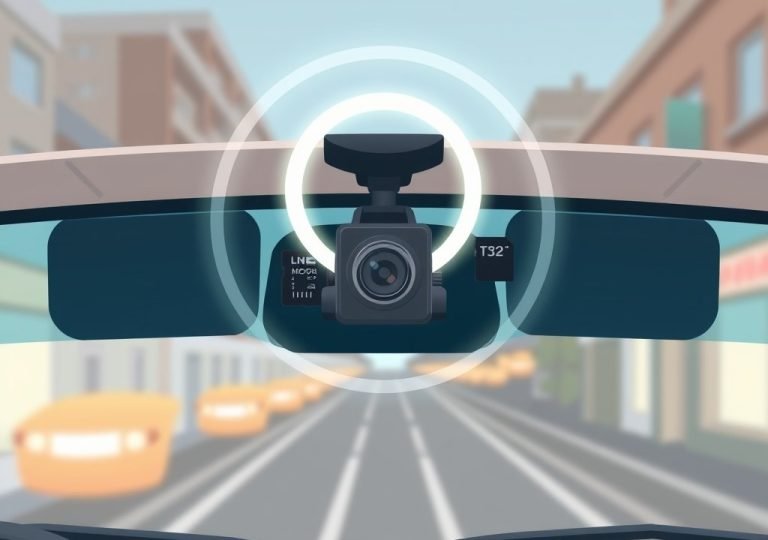
A car alarm shock sensor is a small device that detects vibration and impact on a vehicle. It is one of the most common parts of a car alarm system. It helps the alarm respond when someone bumps, hits or tries to break into a car. This article explains how it works, how to set up and maintain one, and which common problems and legal points matter for beginners.
Many drivers hear the term without knowing what it means in practice. By the end, you should understand the main sensor types, how to set sensitivity, where to place the unit, and how to reduce false alarms. The goal is to help you make informed decisions, not to promote a specific product.
Key Takeaways
- A car alarm shock sensor detects vibration and impact, such as a bump, a window strike or a forced entry attempt.
- Sensitivity settings control how strong a vibration must be before the alarm triggers.
- Most false alarms come from sensitivity set too high, poor mounting or passing traffic.
- Piezoelectric, ball-switch and two-stage sensors are the main types you will see.
- Check local rules on vehicle alarms and avoid settings that cause repeated nuisance alarms.
What Is a Car Alarm Shock Sensor?
Shock Sensors in Plain Language
A shock sensor reacts to physical movement or vibration. In a car, it senses when the vehicle is hit, rocked or struck. When the movement is strong enough, it sends a signal to the alarm unit.
Think of it as the alarm’s sense of touch. It does not see or hear. It only feels impacts that travel through the car’s body, so it works even when the car is locked and no one is nearby.
Where the Sensor Sits in a Car Alarm System
A typical car alarm has a control unit, a siren, door or trunk switches, and one or more sensors. The shock sensor is usually a small separate module wired to the main unit, though some systems include it inside the control box.
When the sensor reports an impact, the control unit decides if to sound the siren, flash the lights or send a warning. The sensor itself does not make the noise.
Shock Sensors Compared With Motion and Door Sensors
A shock sensor reacts to contact and vibration. A motion sensor reacts to movement inside the cabin, and a door or trunk sensor reacts only when a door or lid opens.
Each covers a different risk. A door sensor catches entry, while a shock sensor catches impacts that may happen before anyone opens a door. Many buyers therefore pair them rather than relying on one alone.
How a Car Alarm Shock Sensor Detects Impacts
Vibration and Impact Detection Explained
Every impact creates vibration. That vibration travels through the metal panels, glass and frame of the car. The sensor picks up this energy and converts it into an electrical signal.
Light touches create small vibrations, while hard strikes create large ones. The sensor compares the signal to a threshold. If the signal crosses that threshold, the alarm is triggered.
Sensitivity Settings and What They Control
Sensitivity controls the threshold. A high setting reacts to small vibrations, while a low setting responds only to strong impacts.
Many units offer a dial or a few switch positions. Some models add a second level that requires two separate impacts within a short window. Check the manual for your unit, since options vary. A middle setting is a sensible starting point for most drivers.
Why Sensors Sometimes Trigger by Mistake
False alarms happen when the sensor reacts to things that are not break-in attempts. Heavy trucks, loud bass from nearby cars, thunder and wind gusts can all send vibration through a vehicle. High sensitivity makes these events more likely to set the alarm off.
Loose mounting or a sensor placed on a flexible panel can also cause trouble. Checking placement and adjusting sensitivity usually reduces these problems.
Common Types of Shock Sensors
Piezoelectric Sensors
A piezoelectric sensor uses a crystal-like material that produces a small electrical charge when it bends or vibrates. It is common in modern alarm units and responds quickly to sharp impacts.
Because it reacts to bending force, it can pick up strong road vibration if set too high. Careful setup helps avoid this issue.
Mechanical and Ball-Switch Sensors
A ball-switch sensor contains a small metal ball that rests on contacts. A hard jolt moves the ball and closes the circuit, which triggers the alarm. These simple designs have been used for many years.
They are less precise than electronic designs. Their response can vary with mounting angle and temperature, so they may need more adjustment to stay reliable.
Two-Stage and Dual-Level Sensors
A two-stage sensor responds to a light impact first and sounds the full alarm only after a second, stronger event. This approach aims to reduce nuisance alarms from brief shakes. A light first stage may give a warning chirp, while the second stage triggers the siren.
This design suits drivers who park in busy areas. It still needs proper setup, or it may miss a real impact.
Shock Sensor Versus Tilt, Glass-Break and Other Sensors
When a Shock Sensor Is Enough
For many drivers, a shock sensor with a door sensor covers the most common threats. It reacts to bumps, strikes and attempts to jack or tow the vehicle when set correctly. It is often the core of a basic system.
A shock sensor is a practical choice when budget and simplicity matter most.
When Extra Sensors Add Useful Protection
Tilt sensors detect when the vehicle is lifted or moved at an angle, which helps against towing. Glass-break sensors listen for the sound pattern of breaking glass. Motion sensors watch the cabin for movement.
Each extra sensor adds cost and wiring work. Buyers usually add them only when the risk justifies it, such as in areas with frequent theft.
Where to Mount a Shock Sensor in Your Vehicle
Typical Mounting Locations
Most shock sensors mount under the dashboard, behind a panel or inside the trunk area. The goal is a firm, stable surface connected to the car’s main structure. A solid mount carries impacts to the sensor more reliably.
Always follow the instructions included with your unit, since mounting positions and angles can matter for certain designs.
Placement Mistakes Beginners Often Make
A common error is mounting the sensor on a thin, flexible panel that flexes or rattles. Another is placing it near a loud speaker or the engine bay, where heat and vibration can cause false readings.
Beginners also sometimes fix the sensor loosely with tape. A loose mount can move on its own and cause random triggers. Secure mounting is usually worth the extra effort.
Setting Up and Testing Your Shock Sensor
Step-by-Step Setup Basics
- Read the instructions for your specific sensor and alarm unit.
- Choose a firm mounting point connected to the car’s main structure.
- Connect the wiring as shown in the manual, keeping connections tight and insulated.
- Set the sensitivity to a middle position as a starting point.
- Arm the system and confirm that the alarm responds to a light tap on the body panel, not a hard strike.
Testing Sensitivity Without Triggering Repeated Alarms
Testing is best done in short sessions, since repeated triggers can draw complaints from neighbours. Start with the lowest sensitivity and raise it slowly until the sensor reacts to a firm but gentle knock.
Many units offer a walk-test or diagnostic mode that checks the sensor without sounding the full siren. Use it if your model has one.
Simple Maintenance Tips
Check the mounting screws or clips every few months. Look for loose wiring or signs of corrosion at the connectors. Keep the sensor away from water and extreme heat, which can affect its response over time.
Recheck sensitivity after any repair or change to the vehicle, since the body structure may transmit vibration differently.
Common Problems and Troubleshooting Tips
Frequent False Alarms
If the alarm sounds often, first lower the sensitivity. Then check the mounting point for looseness or contact with flexible panels. Heavy traffic and building work nearby can also cause frequent vibration.
Some false alarms are normal in busy areas. Adjusting the setting usually solves most cases.
Sensor Not Responding
If the sensor never triggers, the setting may be too low. Check the power supply and confirm the system is armed. A blown fuse or a disconnected wire can also stop the sensor from reporting impacts.
Test the sensor with a firm knock on the nearby panel. If there is still no response, consult the manual or a qualified installer.
Wiring and Connection Checks
Loose or damaged wires are a frequent cause of faults. Inspect the harness for cuts, pinched cables and corroded pins. Make sure each connector clicks firmly into place.
A quick visual check often identifies the problem before any part needs replacing.
Legal and Safety Considerations for Car Alarms
Local Rules About Vehicle Alarms
Many regions regulate how long a vehicle alarm may sound and if it must cut off automatically. Rules differ by country and by local authority. Check the requirements where you live before picking a sensitivity or siren setting.
Alarms that sound for long periods can lead to complaints or penalties. Reviewing local guidance is a simple way to stay compliant.
Avoiding Nuisance Alarms and Neighbour Complaints
A sensible sensitivity level is the most effective way to limit nuisance alarms. Parking away from heavy traffic, roadworks and loud venues also helps. Keep the owner’s manual handy so you can reset or silence the system quickly.
A responsible setup balances security with peace for your neighbours.
Frequently Asked Questions
What does a car alarm shock sensor actually detect?
A shock sensor detects vibration and impact that travel through the car’s body. This includes bumps, strikes and forced entry attempts. It does not detect sound or sight directly.
How sensitive should a shock sensor be set?
Start at a middle setting and adjust slowly. Aim for a level that reacts to a firm knock but ignores normal road shake. The right setting depends on where you park.
Can a shock sensor be installed without professional help?
Many drivers install simple units themselves if they are comfortable with basic wiring. Follow the manual closely and check each connection. If the wiring is complex, a qualified installer is a safer choice.
Why does my car alarm go off when a truck drives past?
Heavy trucks create strong low-frequency vibration that travels through the road and into the car. If sensitivity is high, the sensor can treat this as an impact. Lowering the setting usually reduces these triggers without losing protection against real impacts.
Does a shock sensor drain the car battery?
A shock sensor draws only a small amount of power when the system is armed. Problems usually come from a faulty unit or a wiring fault rather than normal use. If the battery drains quickly, check the wiring and consult the manual.
Conclusion
A car alarm shock sensor detects vibration and impact, and it works with the alarm’s control unit to respond. Sensitivity settings, mounting position and local rules all affect how well it performs. Careful setup and regular checks help reduce false alarms and keep the system reliable.

Peterson is an automotive safety enthusiast and product reviewer with a passion for helping drivers stay safe on the road. He researches and tests dash cams, backup cameras, TPMS systems, emergency tools, GPS trackers, and other vehicle safety products to provide honest, practical recommendations. Through CarSafeties.com, Peterson shares in-depth reviews, buying guides, and maintenance tips to help drivers make smarter and safer decisions.