Car Alarm Hood Sensor Explained
A car alarm hood sensor is a small switch that tells the alarm when the engine hood is open. It is one of several sensors that help the system detect possible tampering. Many drivers never think about it until the alarm sounds for no clear reason or fails to react at all.
This guide explains what the sensor does, how it works, and which warning signs point to a problem. It also covers simple checks, basic repair options, and tips for keeping the sensor reliable.
Key Takeaways
- A hood sensor is a simple switch that signals the alarm when the hood opens.
- Most sensors sit near the latch or hinge and close when the hood is shut.
- False alarms and a silent alarm during a hood opening are common signs of trouble.
- Many checks are visual, but leave electrical work to a qualified person if unsure.
- Keeping wiring dry, clean and secure helps the sensor last longer.
What Is a Car Alarm Hood Sensor?
A hood sensor is an input device for the car alarm system. It reports one simple fact: if the hood is open or closed. The alarm control unit reads this signal and decides if to react.
In most vehicles, the sensor is a basic switch rather than a camera or motion detector. It only changes state when the hood moves.
Where the Sensor Sits Under the Hood
The sensor usually sits near the hood latch or along the front edge of the engine bay. Its location varies by make and model. Some cars mount it on the latch, while others use a plunger that presses against the hood when closed.
A thin wire harness runs from the switch to the alarm module. Damage can happen to this wiring even when the switch itself is fine.
Why Manufacturers Add a Hood Switch
Thieves sometimes open the hood to reach the battery, wiring or fuel system. A hood switch lets the alarm respond to that action, adding protection beyond the doors and trunk.
Many factory alarm systems include one, and aftermarket alarms often offer it as a standard or add-on feature. The sensor is inexpensive, which keeps it a common option.
How a Hood Sensor Works
The hood sensor works on a simple open or closed principle. When the hood is shut, the switch sits in one position. When the hood lifts, the switch changes position and sends a signal.
The alarm module reads that signal along with other inputs. Together, these inputs decide if the system sounds the siren or flashes the lights.
The Switch That Detects an Open Hood
Most hood sensors are normally closed or normally open switches. A normally closed switch carries current when the hood is shut. Opening the hood breaks the circuit, and the alarm reads the change as an open hood.
Some systems work the other way around. The exact design depends on the vehicle and alarm manufacturer. A repair manual or wiring diagram shows which type a particular car uses.
What Happens When the Alarm Is Triggered
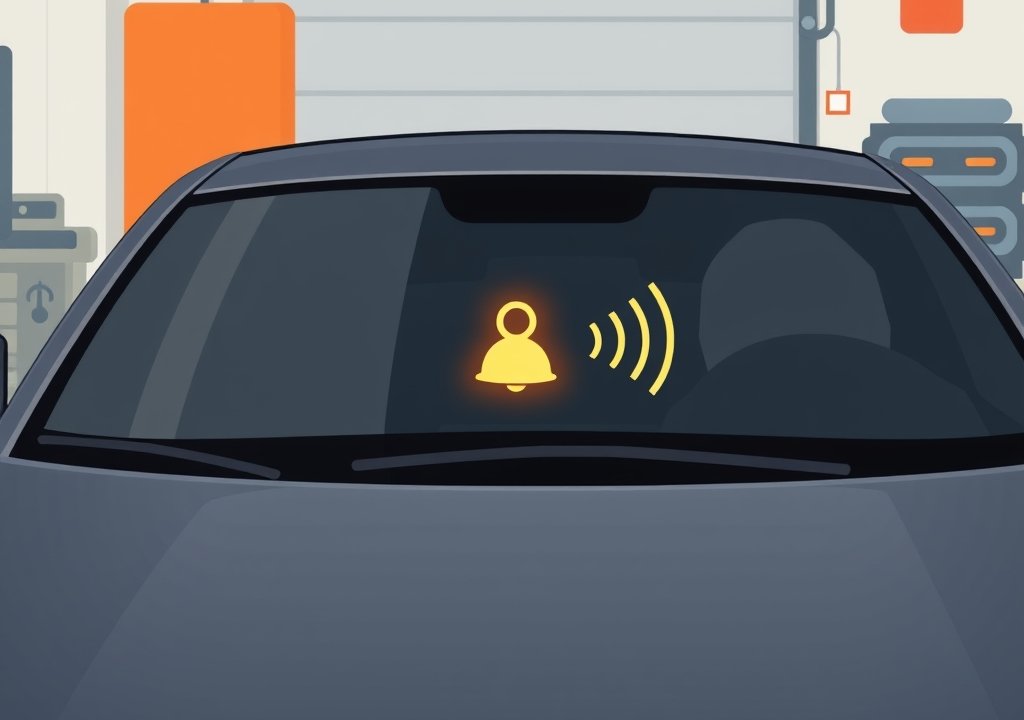
When the alarm is armed and the hood opens, the control module reacts. It may sound the siren, flash the hazard lights, or both. Some systems also send an alert to a key fob or phone app.
Many alarms include an entry delay or warning period. This gives the owner a short time to disarm the system, such as when checking fluids. The length of this delay varies by system.
Hood Sensor Versus Door and Trunk Sensors
Door and trunk sensors work much like the hood sensor. Each one is a switch that reports if a panel is open. The main difference is location and purpose.
Door sensors usually sit in the door jamb and protect the cabin. Trunk sensors sit near the trunk latch or lid. The hood sensor covers the engine bay, and each separate zone lets the alarm show which part of the car was opened.
Common Signs of a Hood Sensor Problem
A failing hood sensor often shows itself in a few predictable ways. Some signs are easy to notice, while others appear only under certain conditions. Recognizing these patterns helps a driver decide if a closer look is needed.
False Alarms With the Hood Closed
One of the most common signs is an alarm that sounds with the hood fully shut. This can happen when the switch is worn, misaligned or corroded. Loose wiring can also send a false signal.
False alarms are not always caused by the sensor. A bad door sensor or faulty control module can cause similar behavior, so checking each zone helps narrow the cause.
The Alarm Not Triggering When the Hood Opens
The opposite problem is just as important. If the hood opens while the system is armed and no alarm response follows, the sensor may have failed. A broken wire or stuck switch can prevent the signal from reaching the module.
This is a security issue, not only a nuisance. A silent hood opening should be checked promptly, and testing the system after any repair is a sensible habit.
Warning Lights and Error Messages
Some vehicles show a warning light or dashboard message when a sensor fault is detected. Others store a fault code that a technician can read with a diagnostic scanner. Not every alarm system reports faults this way.
Owners should check the owner’s manual to learn what their car displays. A message about an alarm or security fault deserves attention, even if the car still starts and drives normally.
How to Check Your Hood Sensor Yourself
Many hood sensor checks are simple and need no special training. The steps below focus on visual and basic electrical checks. Some tasks carry risk and are better left to a professional.
Tools You Need
Most checks need only a flashlight, a basic socket set and a digital multimeter. The multimeter shows if a switch opens and closes. A wiring diagram for the specific vehicle also helps.
Always work with the engine off and the key removed. Disconnecting the battery may be needed for some jobs, but it can reset certain settings. Check the owner’s manual first.
Step-by-Step Visual and Electrical Check
- Park on level ground, turn off the engine, and remove the key.
- Open the hood and locate the sensor near the latch or hinge.
- Look for cracks, corrosion, loose connectors or a bent plunger.
- Press the switch by hand. It should move freely and click.
- Use a multimeter in continuity mode to check if the switch opens and closes as the hood moves.
- Inspect the wiring harness for cuts, chafing or melted insulation.
- Reconnect everything, close the hood, and test the alarm carefully.
Keep hands and tools clear of belts and fans when testing near moving engine parts. Never probe live circuits without knowing what they do first.
When to Stop and Call a Professional
Stop and seek help if the wiring diagram is hard to follow or the harness looks badly damaged. Problems inside the alarm control module need a specialist. Airbag wiring, which sometimes runs near the hood area, should never be handled without proper training.
A qualified technician can read fault codes and trace circuits. Asking for an itemized diagnosis is a reasonable request.
Hood Sensor Replacement and Repair Basics
Not every hood sensor problem ends in replacement. A dirty contact or loose connector may be the only issue. A worn switch, however, often needs to be swapped out.
Common Causes of Sensor Failure
Heat, moisture and vibration are the usual culprits. Over time, the switch body can crack and the internal contacts can corrode. The plunger may also stick because of dirt or dried grease.
Wiring is another weak point. Rubbing against a metal edge can wear through insulation, and the signal may then drop out or short to ground.
Replacing a Hood Sensor Switch
Replacing the switch is usually straightforward. The old unit typically unclips or unscrews, and the new one takes its place. The electrical connector is then pressed back into position.
Use a part that matches the vehicle’s make, model and build year. Aftermarket and dealer parts both exist, and fit can vary. Test the alarm again once the new switch is installed.
Estimating Parts and Labor Costs
Cost depends on the vehicle, the part source and the shop’s labor rate. The switch itself is generally a low-cost item. Diagnosis time often makes up a larger share of the bill than the part.
Ask for a written estimate before work begins. Local quotes are the best guide, since prices vary widely.
Tips for Keeping Your Hood Sensor Reliable
Good habits can extend the life of a hood sensor, and most cost little or nothing. Regular attention also helps catch small problems before they become security gaps.
Routine Cleaning and Inspection
Wipe the sensor area during routine engine bay cleaning. Remove dust, grime and leaves near the latch, and avoid high-pressure water on electrical parts.
Check that the plunger and latch move smoothly. Test the alarm after cleaning to confirm it still responds.
Protecting Wiring From Heat and Moisture
Keep wiring away from hot exhaust parts and sharp edges. Secure loose harnesses with original clips or cable ties, and check that connectors stay dry and sealed.
Moisture is a common cause of corrosion. Address water intrusion early, since small repairs are simpler than full harness replacement.
Aftermarket Alarm Installations and Hood Pins
Some owners add a hood pin, a small mechanical lock that blocks the hood from opening. A hood pin is a separate device and does not replace the sensor.
Installation quality matters. Poor wiring or a badly placed sensor can cause false alarms or missed triggers, so a reputable installer should explain how the sensor connects to the system.
Hood Sensor Compared With Other Alarm Sensors
Car alarms use several sensor types, each covering a different risk. Comparing them shows where the hood sensor fits.
Hood Sensors and Shock Sensors
A shock sensor detects vibration or impact, such as a bump to the car or a blow to a window. A hood sensor only reports if the hood is open.
The two work well together. Shock sensors catch forced entry attempts, while the hood sensor catches a lifted hood.
Hood Sensors and Glass-Break Sensors
Glass-break sensors listen for the sound and pressure pattern of breaking glass and are typically placed inside the cabin. A hood sensor has no role in detecting glass damage.
Each sensor protects a different entry point. A well-designed system uses several together, so one failure does not leave the vehicle fully exposed.

Peterson is an automotive safety enthusiast and product reviewer with a passion for helping drivers stay safe on the road. He researches and tests dash cams, backup cameras, TPMS systems, emergency tools, GPS trackers, and other vehicle safety products to provide honest, practical recommendations. Through CarSafeties.com, Peterson shares in-depth reviews, buying guides, and maintenance tips to help drivers make smarter and safer decisions.