Car Safety Basics For New Drivers
Car safety basics for new drivers are the habits, checks and knowledge that help keep you and others safe on the road. Learning them early builds a strong foundation. This article explains the core ideas in plain words, from seat belts and mirrors to following distance and emergency steps.
You will also learn how common safety features work, what to check before you drive, and which habits prevent most everyday crashes. Read at your own pace, and revisit as your skills grow.
Key Takeaways
- Seat belts and correct seating position are among the simplest ways to reduce injury.
- Good mirror setup, following distance and speed control give you more time to react.
- Safety features such as airbags and anti-lock brakes support you but do not replace safe driving.
- A quick pre-drive check of lights, tires and fluids helps catch problems early.
- Avoiding distractions, driving within your limits and planning for emergencies protect you over time.
Why Car Safety Matters for New Drivers
Car safety lowers the chance of a crash and reduces harm if one happens. For new drivers, it matters even more, because every drive involves many small decisions.
What Car Safety Means in Everyday Driving
In daily driving, car safety means doing the simple things well every time. That includes buckling up, checking mirrors, keeping a safe gap from the car ahead and obeying signs. A well-kept car also helps, since working lights, good tires and clear windows let you see and be seen.
Why New Drivers Face Higher Risk
New drivers often have less experience reading traffic. They may take longer to spot hazards or judge speed and distance, and stress can make it harder to focus. Extra care, slower pacing and steady practice build skill and judgment over time.
Core Car Safety Basics Every Beginner Should Know
These basics apply to nearly every drive. Mastering them first gives you a solid base for more advanced skills.
Seat Belts and Proper Seating Position
A seat belt holds you in place during a sudden stop or crash. Wear it every time, and make sure everyone in the car does the same. The lap belt should sit low across the hips, and the shoulder belt should cross the chest, not the neck.
Sit upright with your back against the seat and your knees slightly bent, so you can reach the pedals fully. Sitting too close to the steering wheel can limit how well airbags protect you.
Mirror Setup and Blind Spot Checks
Adjust the inside mirror to show the whole rear window, and set the side mirrors to show a little of the car’s side and more of the lane behind you. Mirrors do not show everything, though. A blind spot is an area beside or slightly behind the car that mirrors may not reveal, so glance over your shoulder before changing lanes.
Following Distance and Speed Control
Following distance is the space between your car and the one ahead. A common beginner method is the three-second rule: pick a fixed point the car ahead passes, then count the seconds until you pass it too. You should count at least three seconds.
Speed control means driving at a speed that suits the road, traffic and weather. Slowing down early is usually safer than braking hard at the last moment.
Signals, Right of Way and Clear Communication
Signals tell other drivers what you plan to do. Use your turn signal early, before you slow down or change lanes, so others have time to adjust. When right of way rules are unclear at intersections, crosswalks or merges, slow down and make eye contact where possible. Waiting a moment costs little, while a mistake can be serious.
How Vehicle Safety Features Work
Modern cars include many safety features, and each has a specific job. Knowing what they do helps you use them well and avoid relying on them too much.
Airbags and Crash Protection Systems
Airbags are cushions that inflate quickly during a serious impact. They work with seat belts, not instead of them. A belted occupant is generally better protected in a crash than an unbelted one.
A strong body structure and crumple zones also absorb crash energy. Your job is to keep the belt on and sit properly.
Anti-lock Brakes and Stability Control
Anti-lock brakes, often called ABS, stop the wheels from locking during hard braking so you can keep steering control. When ABS activates, you may feel a pulsing in the pedal. Keep steady pressure and do not pump the brake.
Stability control helps the car stay on its intended path during a skid or sharp turn. It cannot defy physics, so safe speed still matters.
Driver Assistance Features Such as Lane Departure Warnings
Lane departure warnings alert you if the car drifts out of its lane. Some systems also gently steer back. These tools can help, especially on long drives.
They are aids, not replacements for attention. Sensors can miss things in poor weather or when dirty, so keep your eyes on the road and your hands ready to steer.
Tire Condition, Tread Depth and Tire Pressure
Tires are the only parts of the car that touch the road. Worn tread reduces grip, especially in rain.
Correct tire pressure helps the car brake and turn as designed. Check the recommended pressure on the label inside the driver’s door or in the owner’s manual. Look for cuts, bulges and uneven wear.
Step-by-Step Pre-Drive Safety Checklist
A short check before each drive can reveal problems early. It takes only a few minutes and becomes a habit with practice.
Checking Lights, Wipers and Fluid Levels
Turn on the headlights, brake lights and turn signals. Ask someone to confirm they work, or check their reflection in a window. Test the wipers and washer fluid as well.
Check engine oil, coolant and brake fluid levels. Your owner’s manual shows where each reservoir is and what level is normal. If a level looks low or a warning light stays on, get it checked before driving.
Adjusting Seat, Steering Wheel and Head Restraint
Set the seat so you can press the pedals fully without stretching, and adjust the steering wheel so you can see the dashboard gauges. Keep your arms slightly bent.
The head restraint should sit level with the top or middle of your head, not your neck. This helps reduce strain and injury in a rear-end collision.
Doing a Quick Walk-Around Before You Start
Walk around the car before getting in. Look for low tires, debris, leaks and anything blocking the view. Clear snow, frost or dirt from windows, mirrors and lights.
Check that nothing is behind or beside the car, especially children or pets. This step takes less than a minute and can prevent serious accidents.
Safe Driving Habits That Prevent Common Crashes
Many crashes come from a small set of repeated causes. Good habits can help you avoid them.
Avoiding Distractions Such as Phones and Infotainment Screens
Phones and screens can distract you for several seconds, even when a glance seems quick. Set your navigation before you move and keep your phone out of reach. If you must make a call, pull over somewhere safe first.
Driving Safely at Night and in Bad Weather
Night and rain reduce how far and how clearly you can see. Slow down, increase your following distance and use headlights when visibility drops. Keep windows clear with defrost on.
Wet roads take longer to stop on. Brake gently and early, and avoid sudden steering. If fog is thick, it may be safer to wait until it lifts.
Handling Fatigue and Driving Within Your Limits
Tiredness slows reaction time and can make you drift or miss signs. If you feel drowsy, stop in a safe place and rest. Caffeine can help a little, but it does not replace sleep.
Driving within your limits means picking routes, speeds and times that match your skill. It is fine to decline a trip that feels too hard.
Defensive Driving and Anticipating Other Drivers
Defensive driving means expecting that others may make mistakes. Watch for drivers who drift, brake suddenly or pull out without looking. Keep space around your car so you can react.
Anticipating means reading the road ahead. Notice cyclists and pedestrians near intersections. Planning your next move early keeps you calm and in control.
What to Do in an Emergency or Breakdown
Even careful drivers can face a breakdown or a minor collision. Knowing the next steps helps you stay safe and calm.
Steps to Take After a Minor Collision
First, stop your car and turn on the hazard lights. Check yourself and your passengers for injuries. If anyone is hurt, call emergency services right away.
If the cars can be moved safely and no one is seriously hurt, move them out of traffic. Exchange names, contact details and insurance information. Take photos of the scene when it is safe to do so.
Pulling Over Safely and Using Hazard Lights
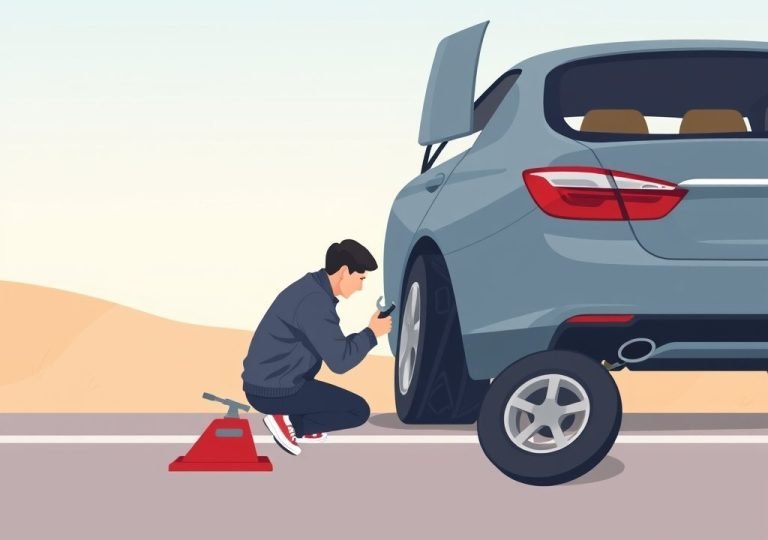
Signal early and move gradually toward the shoulder or a safe spot away from traffic. Avoid stopping on a curve or hill where others cannot see you. Turn on hazard lights to warn drivers behind you.
If the road is busy and unsafe to exit, stay inside with your seat belt on. If you must leave the car, stand well away from traffic, behind a barrier if possible.
Carrying a Basic Emergency Kit in Your Car
A basic emergency kit can help during a breakdown or delay. Many drivers keep a flashlight, spare batteries, a first aid kit, drinking water and a warning triangle or flares where local rules allow. A phone charger is also useful.
Check the kit now and then so items are not expired or missing. Keep it somewhere you can reach without moving heavy luggage.
Car Safety Comparisons for Beginners
Different vehicles and setups offer different safety strengths. Comparing them helps you see the trade-offs.
Manual Versus Automatic Transmission Safety Considerations
A manual transmission requires you to control the clutch and gears, which adds workload. Beginners may stall or roll back on hills. An automatic lets you focus more on traffic.
Neither type is inherently safer. What matters most is how well you know the controls and how much practice you have.
Small Cars Versus Larger Vehicles in a Crash
Larger vehicles often have more mass, which can help protect occupants in some crashes. Smaller cars may be easier to park and maneuver. Crash outcomes depend on speed, the other vehicle and safety design.
Size alone does not decide safety. Check independent crash ratings for the specific model you are considering.
Used Cars Versus New Cars for Safety Features
New cars often include the latest safety features, but many used cars also offer airbags, ABS and stability control. Check which features the specific model has. Also look at the vehicle’s history, brake condition and tire wear before buying.
Frequently Asked Questions
Is it safe to learn to drive in a used car?
Yes, if it is in good mechanical condition. Check brakes, tires, lights and fluid levels before each lesson. A qualified mechanic can inspect the vehicle if you are unsure.
How often should I check my tire pressure?
Check tire pressure about once a month and before long trips. Use the recommended pressure listed on the label inside the driver’s door. Tires can lose pressure gradually, so regular checks help.
Do airbags replace seat belts?
No. Airbags work together with seat belts to protect you in a crash. Always wear your seat belt, even when airbags are present.
What should I keep in my car for emergencies?
Keep a flashlight, first aid kit, drinking water, a phone charger and a warning triangle where allowed. Check the kit now and then to make sure items are not expired.
How can I stay safe when driving with passengers?
Make sure every passenger wears a seat belt before you move. Keep conversation calm so your attention stays on the road.
Conclusion
Car safety basics for new drivers come down to a few steady habits. Wear your seat belt, set your mirrors, keep a safe following distance and control your speed. Check your car before each drive and avoid distractions.
Safety features help, but they do not replace careful driving. With practice and patience, these basics become second nature.
Peterson is an automotive safety enthusiast and product reviewer with a passion for helping drivers stay safe on the road. He researches and tests dash cams, backup cameras, TPMS systems, emergency tools, GPS trackers, and other vehicle safety products to provide honest, practical recommendations. Through CarSafeties.com, Peterson shares in-depth reviews, buying guides, and maintenance tips to help drivers make smarter and safer decisions.