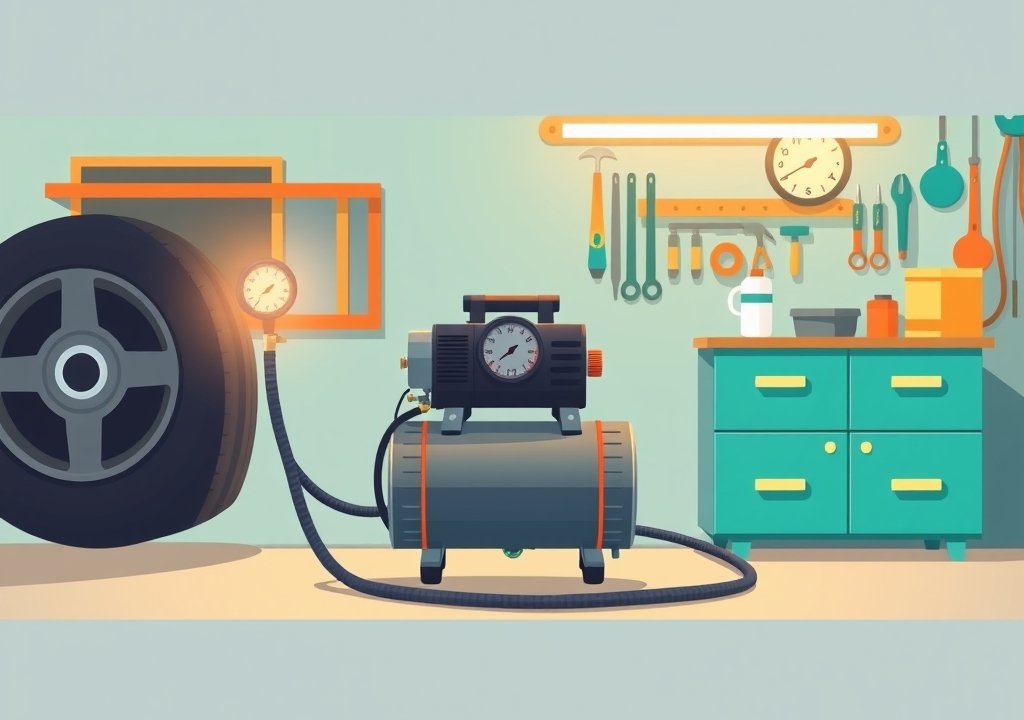
How To Use A Portable Air Compressor
Using a portable air compressor is easier than many beginners expect. It is a small machine that pulls in air, squeezes it into a tank, and sends it out through a hose at a set pressure. Once you know the basic parts and a few safety habits, you can inflate tires, clean dust, or run small air tools with confidence.
This guide explains how these machines work, what their main features mean, and how to use them safely. It also covers common mistakes, simple maintenance, and frequent questions.
Key Takeaways
- A portable air compressor stores compressed air in a tank and releases it at a set pressure.
- Check the power source, tank size, PSI and CFM rating before you buy or start a job.
- Set up on a flat, dry, well-ventilated surface and check hoses and filters first.
- Match the pressure to the task, and let the motor rest when it gets hot.
- Drain moisture from the tank after use and store the unit in a clean, dry place.
What Is a Portable Air Compressor and What Is It Used For?
A portable air compressor is a compact machine that produces compressed air. Compressed air is ordinary air forced into a smaller space, which builds pressure. That pressure pushes air through a hose to fill a tire or drive a tool.
A portable model is light enough to carry or roll to where the work is. Its smaller size means it usually stores less air and runs for shorter periods than a large workshop unit.
How a Portable Air Compressor Works
The motor drives a piston or similar pump that pulls air in through a filter and pushes it into a storage tank. A gauge shows the pressure inside the tank.
A pressure switch turns the motor off at the set limit and back on when pressure drops. A regulator and outlet let you control how much pressure reaches the hose.
Common Jobs for a Portable Air Compressor
The most common job is inflating tires on cars, bikes, and trailers. Many people also use one for sports balls, air mattresses, and pool toys.
Other uses include running brad nailers, staplers, and paint sprayers, or blowing dust out of tight spaces. Each task needs a different pressure, so check the tool’s rating before you start.
Parts and Features to Know Before You Start
Learn the main parts and labels before you run the unit. Knowing what each one does helps you avoid mistakes and pick the right machine for your work.
Power Source: Plug-In, Battery and Gas Models
Plug-in models run on a household outlet and are the simplest choice for home use. Their cords and circuits limit how much load they can handle.
Battery models run on a rechargeable pack and work away from outlets. Gas models suit jobs with no power nearby, but they produce exhaust and should never run in an enclosed space.
Tank Size, PSI and CFM Explained
The tank stores compressed air. A larger tank lets the motor cycle on and off less often. Small tanks are lighter but may need more frequent refills during longer jobs.
PSI (pounds per square inch) measures pressure. CFM (cubic feet per minute) measures airflow. Check the tool’s label, because a compressor with enough pressure may still lack the airflow the tool needs. Match both numbers to the tool before you start.
Getting Ready: Safety Checks and Setup
Good setup prevents most problems. A few minutes spent checking the area, the power and the unit makes the job safer and smoother.
Picking a Safe Spot and Power Supply
Place the compressor on a flat, stable surface, dry and clear of clutter. Keep it away from flammable liquids or fumes, and leave room for airflow around the motor.
Use a grounded outlet and avoid long, thin extension cords, which can overheat or make the motor struggle. Run gas models outdoors so exhaust can escape.
Checking Oil, Filters and Hose Condition
Some models use oil and some are oil-free. For oiled models, check the level on the sight glass or dipstick before each use, and top up only with the oil type named in the manual.
Clean or replace a clogged air intake filter. Inspect the hose for cracks, bulges or loose fittings, and replace any damaged hose before use, since it can burst under pressure.
Step-by-Step: How to Use a Portable Air Compressor
Once the setup is safe, you can run the unit. Follow the same basic order each time. This routine works for most small jobs and keeps the machine in good shape.
Setting the Right Pressure for Your Task
Find the pressure the tool or tire needs. Tire pressure is usually printed on the door frame sticker or in the owner’s manual. Tool pressure is listed on the tool or in its instructions.
Turn the regulator knob slowly until the outlet gauge shows the target pressure. Never set it higher than the tool or tire allows.
Connecting Hoses and Air Tools Correctly
Attach the hose to the outlet and tighten the fitting by hand. Use a wrench only if the fitting clearly requires it, and avoid overtightening. Make sure the connection is firm before you turn the unit on.
Connect the air tool or tire chuck to the other end of the hose. Many tools use quick-connect fittings that snap into place. Test the connection at low pressure first to check for leaks.
Starting, Running and Shutting Down the Unit
Turn the power switch on and let the motor build pressure. The pressure switch stops the motor once the tank reaches its limit. Wait for the gauge to settle before you begin work.
When the job is done, release the air from the hose and switch off the motor. Unplug the unit or turn off the battery or engine. Let the machine cool before you move or store it.
Draining Moisture From the Tank
Compressing air creates water vapor, which collects at the bottom of the tank. This moisture can rust the tank and reach your tools. Drain it after each use, or at least once a week during heavy use.
Locate the drain valve at the base of the tank. Open it slowly while the tank still holds a little pressure. Close the valve once only clear air escapes.
Practical Tips for Inflating Tires and Running Air Tools
Good habits make each job faster and more accurate. The tips below suit both tire work and tool use. They also reduce waste and wear on the machine.
Inflating Car and Bike Tires the Right Way
Check the tire pressure before you start, using a separate gauge if you have one. Add air in short bursts and check the reading often. It is easy to overshoot, so take your time.
Use a chuck that seats firmly on the valve stem. Hold it straight and press until the connection is secure. Recheck the pressure after you remove the chuck, since the reading may shift slightly.
Running Nail Guns, Paint Sprayers and Blow Guns
Nail guns need a steady supply of air at the pressure the maker lists. Test a few nails in scrap wood before you start the real work.
Paint sprayers need clean, dry air, so drain the tank and check the filter before you begin. Blow guns use air quickly, so keep the pressure low to avoid flying debris and hearing damage. Always wear eye protection when you use any air tool.
Avoiding Overheating and Extending Motor Life
Run the motor in short cycles and let it rest when it gets hot. Many portable units have a duty cycle, which is the share of time the motor can run before it needs a break. Check the manual for this limit.
Keep vents clear of dust and avoid covering the unit with cloth or boxes. A cooler motor lasts longer and runs more reliably. Stop and let it cool if you notice a burning smell or unusual heat.
Common Beginner Mistakes and How to Avoid Them
Most early problems come from a few predictable habits. Knowing them ahead of time saves time, money, and frustration. Each mistake has a simple fix.
Overfilling, Ignoring Duty Cycle and Skipping Drainage
Setting pressure too high can damage the tire, the tool, or the hose. Always match the pressure to the task. Running the motor past its duty cycle can cause overheating and early failure.
Water left in the tank can cause rust and spoil spray finishes. Drain the tank regularly to protect the unit and your work.
Troubleshooting Low Pressure and Loud Noises
If the unit struggles to build pressure, check for leaks at the fittings and hose. Listen for hissing near connections, and tighten or replace parts as needed. A clogged intake filter can also reduce output.
Loud rattling or knocking may point to loose parts or worn mounts. Turn off the unit and tighten any visible bolts. If the noise continues or the motor sounds strained, stop using it and consult the manual or a qualified repair service.
Portable Air Compressor Maintenance Basics
Routine care keeps a portable unit working for years. Most maintenance tasks are quick and need only basic tools. A regular check-up is often more useful than a major repair.
Cleaning Filters and Checking Hoses
Clean or replace the air intake filter when it looks dirty. A clean filter lets the motor breathe and reduces wear. Wipe the outside of the unit to remove dust and grime.
Inspect hoses and fittings for cracks, leaks, or stiffness. Replace damaged parts before the next job, and keep spare fittings on hand.
Storing Your Compressor Safely Between Uses
Drain the tank and release all pressure before storing the unit. Wrap the hose loosely so it does not kink. Keep the compressor in a dry place where temperatures stay fairly stable.
Store the unit upright and out of reach of children, away from heat sources and flammable materials. A tidy storage spot also protects the machine from accidental bumps.
Frequently Asked Questions
Can a portable air compressor run off a car battery?
Some small units run on a 12-volt car outlet, but many do not. Check the manual before connecting it to a vehicle. Running a unit from a car battery can drain it quickly and may not supply enough power.
What PSI do I need for car tires?
Use the pressure listed on the door frame sticker or in the owner’s manual. Do not use the maximum printed on the tire sidewall. Set the regulator to match before you connect the chuck.
How long can I run a portable air compressor without stopping?
The answer depends on the model and the duty cycle in its manual. Many units need rest breaks during long jobs. Let the motor cool whenever it feels hot or the manual calls for a pause.
Do I need oil in every portable air compressor?
No. Some models are oil-free, while others need oil in a crankcase or sump. Check the label and manual to see which type you have. Use only the oil type the maker recommends.
Is a portable air compressor safe to use indoors?
Electric models are usually fine indoors if the space is dry and well ventilated. Gas models produce exhaust and should only be run outdoors. Always check the manual for the unit’s rules on indoor use.
Conclusion
A portable air compressor is simple once you know its parts and settings. Set it up on a safe, dry surface, match the pressure to the task, and let the motor rest when needed. Drain the tank, keep filters clean, and store the unit properly.

Peterson is an automotive safety enthusiast and product reviewer with a passion for helping drivers stay safe on the road. He researches and tests dash cams, backup cameras, TPMS systems, emergency tools, GPS trackers, and other vehicle safety products to provide honest, practical recommendations. Through CarSafeties.com, Peterson shares in-depth reviews, buying guides, and maintenance tips to help drivers make smarter and safer decisions.