How To Open Car Door In Emergency
Key Takeaways
- Most cars have an inside door handle or release that works even when the power is off.
- Manual locks and emergency release cables can open a door when electric systems fail.
- Child safety locks can block exits from the inside, so check them early.
- After a crash, check for damage and use a window if the door will not open.
- Keep a basic emergency tool, such as a seat belt cutter or glass breaker, within reach.
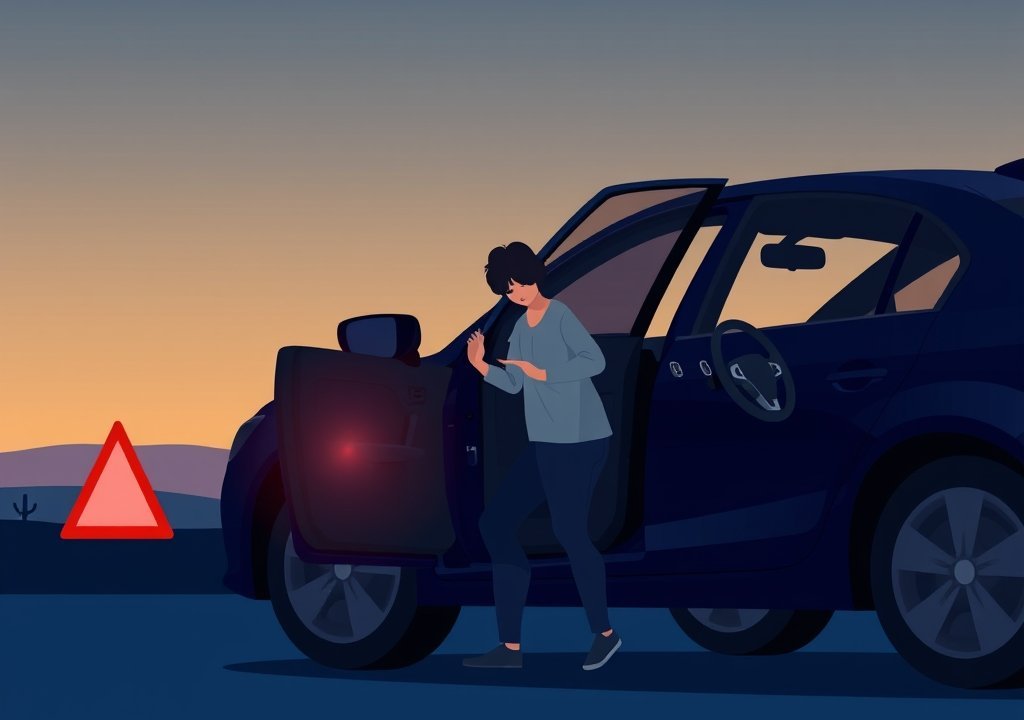
Knowing how to open a car door in an emergency can make a real difference. A fire, a crash, a flooded road or a faulty lock may leave you stuck inside. Knowing where the release points are helps you get out quickly.
This guide explains the basic parts of a car door, the steps to take from inside and outside, and what to do after a crash.
Why Knowing How to Open a Car Door in an Emergency Matters
Most people never think about their car door until something goes wrong. Electric locks can fail, the battery can go flat and a crash can bend the frame. In any of these cases, the door may not open the usual way.
Emergencies also happen fast. Learning the release points while the car is parked and calm saves time and reduces panic.
Basic Car Door Parts and How They Work
A car door has several parts that control opening and locking. The handle pulls a latch, and the latch holds the door shut. Locks, if manual or electric, stop the latch from releasing.
Most doors use mechanical links, which are rods or cables that carry your hand movement to the latch. Some doors also use electric motors to lock and unlock. Knowing which system your car uses helps you decide what to try first.
Interior Door Handles and Release Levers
The inside handle is usually the easiest way out. It is mechanically linked to the latch, so it often works even when the battery or electronics fail. Pulling or pushing the handle or lever releases the door.
Some cars use a lever near the armrest or on the door panel instead. Pull, lift or push the release, depending on the design.
Exterior Door Handles and Keyless Entry
Exterior handles open the door from outside, usually with a pull or a press. Keyless entry systems depend on power and sensors, so they may fail in an emergency.
If the fob battery is weak or the car has no power, a physical key may still open the door. Keeping a spare key in a safe place can help.
Manual Locks, Child Locks and Electronic Locks
Manual locks are the small pull-up knobs or push-down buttons on the door. They are simple and usually work without power. Electronic locks use a switch or motor and depend on the car’s electrical system.
Child locks block the inside handle from opening the rear doors. They protect young passengers but can trap people inside if left on.
Step-by-Step Guide to Opening a Car Door in an Emergency
The right step depends on where you are and what has failed. Try the simplest method first, then move to the next option if it does not work.
Stay calm and look at the door. Check if the handle moves, if the lock is up or down and if the car still has power. These quick checks guide your next move.
Opening the Door From the Inside
Start with the inside handle. Pull it firmly toward you, or press the lever as the design requires. If the door will not open, make sure the manual lock is not engaged.
Next, check the window. Many cars let you lower it with a manual crank or a switch. If the power is off, the window may still work by hand, giving you another exit route.
Opening the Door From the Outside
From outside, try the handle first. If the car uses keyless entry and still has power, press the handle or the unlock button on the fob. A physical key can open the driver’s door on most cars and often the passenger door too.
If the electronics fail, the key in the lock is the most reliable option. Turn it toward unlock to release the door. This only works if you can reach the lock cylinder.
Using the Emergency Release Cable
Some doors have an emergency release cable, a thin wire linked to the latch that you can pull by hand. It is usually behind a trim panel, under the armrest or near the lower edge of the door.
Removing a trim panel can take effort and may need a tool. Look for a small access hole or a panel that pops off. Pull the cable gently, then pull the handle or push the door.
What to Do When the Power Is Off
When the power is off, electric locks and windows will not work, but mechanical parts still function. Use the inside handle, the manual lock knob and the window crank if your car has one.
Avoid pressing the power window switch repeatedly, since it will not help without power. Focus on the mechanical options first, as they are the most dependable when electricity is gone.
Opening a Door After a Crash or Rollover
A crash can change everything. The door frame may bend, the latch may shift and the airbags may be deployed. Stay calm and assess the situation before you move.
Check that the engine is off and that there is no fire, smoke or fuel smell. Unbuckle the seat belt if you can do so safely. Then decide which exit to use.
Checking for Damage Before You Pull the Handle
Look at the door and the surrounding frame. If the door is visibly bent or pressed into the cabin, pulling hard may cause injury and make the damage worse.
Try the handle gently first. If it moves but the door stays closed, the latch may be jammed. In that case, move to another exit.
Using the Window as an Exit Route
If the door will not open, the window is often the next choice. Lower it if the power still works, or use the manual crank if it has one. Make sure the opening is wide enough before you climb through.
Watch for broken glass along the edges. Move slowly and cover the edges with clothing if possible.
Dealing With a Jammed or Bent Door
A jammed door may open with a firm push from the outside or a steady pull from the inside. Small movements can sometimes free a stuck latch.
If the door stays shut, call for help and wait for rescue services if it is safe to do so. Keep your seat belt on until help arrives, unless fire or danger requires you to move.
Opening a Car Door Without the Key or Fob
Many people carry a fob and forget the physical key. A lost or dead fob can leave you without an easy way in. Knowing the backup options can save time.
Lock Position and Emergency Unlocking Tips
Check if the car is locked from the inside. A raised lock knob or pressed lock button can keep the door shut even when the handle moves. Lifting or pressing the knob may solve the problem.
Some cars can be unlocked with the key in the driver’s door cylinder. If you have no key, a locksmith or roadside service can help. Avoid forcing the lock, since that may cause damage.
Opening a Car Door When the Battery Is Dead
A dead battery often stops electric locks, but the handle and manual lock may still work. Try the inside release first, then the key in the lock.
Jump starting can restore electric locks, but only when it is safe to do so. Follow the owner’s manual, and do not rely on it during a crash or fire. The mechanical options remain the most dependable choice.
Common Mistakes Beginners Make in an Emergency
Many people pull the handle once, give up and assume the door is stuck. Trying the other exits is often faster. Working through each option in order saves time.
Another common error is panicking and forgetting to check the locks. A raised lock can stop the door even when the handle moves. A quick look at the lock knobs can solve the problem.
Some drivers also forget about child locks, which can stop a passenger from leaving through a rear door. Checking these settings before you drive prevents the problem.
Emergency Car Door Tools and Safety Items to Keep
A few simple tools can help in a crisis, such as a seat belt cutter and a glass breaker. Keep them within easy reach of the driver’s seat, not in the trunk.
Glass Breaker and Seat Belt Cutter Basics
A glass breaker uses a hard point to crack side or rear windows. Aim for a corner, where the glass is usually weakest. Do not use it on the windshield, which is designed to be harder to break.
A seat belt cutter has a sharp blade that slices through a belt. Keep the blade away from your body and cut carefully. Both tools are inexpensive and easy to store in a door pocket or console.
Keeping a Roadside Emergency Kit in the Car
A basic roadside kit can include a flashlight, a first aid kit and a warning triangle. Store the kit somewhere dry and easy to reach.
How Child Safety Locks Affect Emergency Exits
Child safety locks stop young passengers from opening rear doors while the car is moving. However, they can block the inside handle completely.
Check the child lock setting before every trip. On most cars, a small switch on the rear door edge turns the feature on or off. Turning it off gives passengers a way out in an emergency.
Frequently Asked Questions
How do I open a car door if the electric locks stop working?
Use the inside handle, which is usually mechanical and works without power. If that fails, try the manual lock knob or the key in the outside lock. Some doors also have an emergency release cable.
Can I open a car door from the inside if the child lock is on?
Usually not from the rear inside handle, because the child lock blocks it. Lower the window and climb out, or ask someone outside to open the door. Turn the child lock off when you can.
What should I do if my car door will not open after a crash?
Check for fire, smoke and fuel smells first. Try the handle gently, then the other doors and windows. If you cannot get out, call for help and wait for rescue services.
Where is the emergency release for car doors usually located?
It is often behind a trim panel, under the armrest or near the lower edge of the door. The exact location depends on the car model. The owner’s manual shows where to find it.
Is it safe to break a car window to get out in an emergency?
Breaking a side or rear window can be a valid exit when other options fail. Aim for a corner and protect yourself from broken glass. Avoid the windshield, which is designed to resist breaking.
Conclusion
Knowing how to open a car door in an emergency starts with the inside handle, the manual locks and the backup options. Try the simplest method first, then move to the next. Checking child locks and keeping basic tools close can make a real difference.

Peterson is an automotive safety enthusiast and product reviewer with a passion for helping drivers stay safe on the road. He researches and tests dash cams, backup cameras, TPMS systems, emergency tools, GPS trackers, and other vehicle safety products to provide honest, practical recommendations. Through CarSafeties.com, Peterson shares in-depth reviews, buying guides, and maintenance tips to help drivers make smarter and safer decisions.