What Should Be in a Car Emergency Kit?
Every driver needs to be ready for the unexpected. When you’re stuck on the side of the road with a flat tire, dead battery, or any other problem, having the right supplies can save your day. A well-stocked car emergency kit is like having a helpful friend riding along with you who knows how to handle roadside issues. Let’s talk about everything you should pack into your vehicle so you can feel confident no matter what happens.
In this article
Why Every Driver Needs a Car Emergency Kit
Driving comes with risks that we can’t always predict. Roads can get slippery in bad weather. Cars break down without warning. Accidents happen when we least expect them. Having an emergency kit in your car gives you peace of mind and practical tools to handle these situations.
Think about what happens when your car stops working in the middle of nowhere. You have no cell signal. The sun is setting. You feel scared and alone. But if you have a well-packed emergency kit, you suddenly have light, supplies to help yourself, and everything you need to signal for help. That’s the power of being prepared.
An emergency car kit isn’t just about fixing mechanical problems. It’s about safety, comfort, and staying calm when things go wrong. Let’s dive into what you actually need to pack and why each item matters.
Essential Tools for Basic Car Repairs
Your emergency kit should start with some basic tools that help you tackle common car problems. These aren’t fancy equipment—just the simple stuff that saves the day.
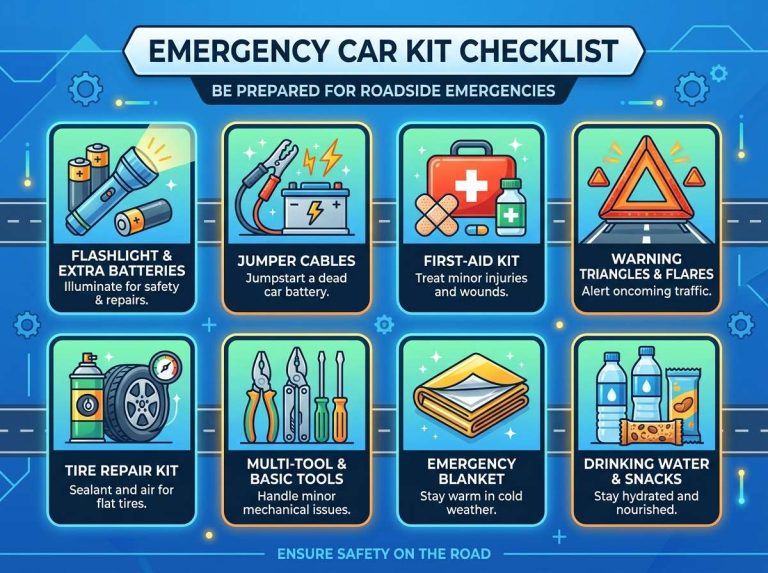
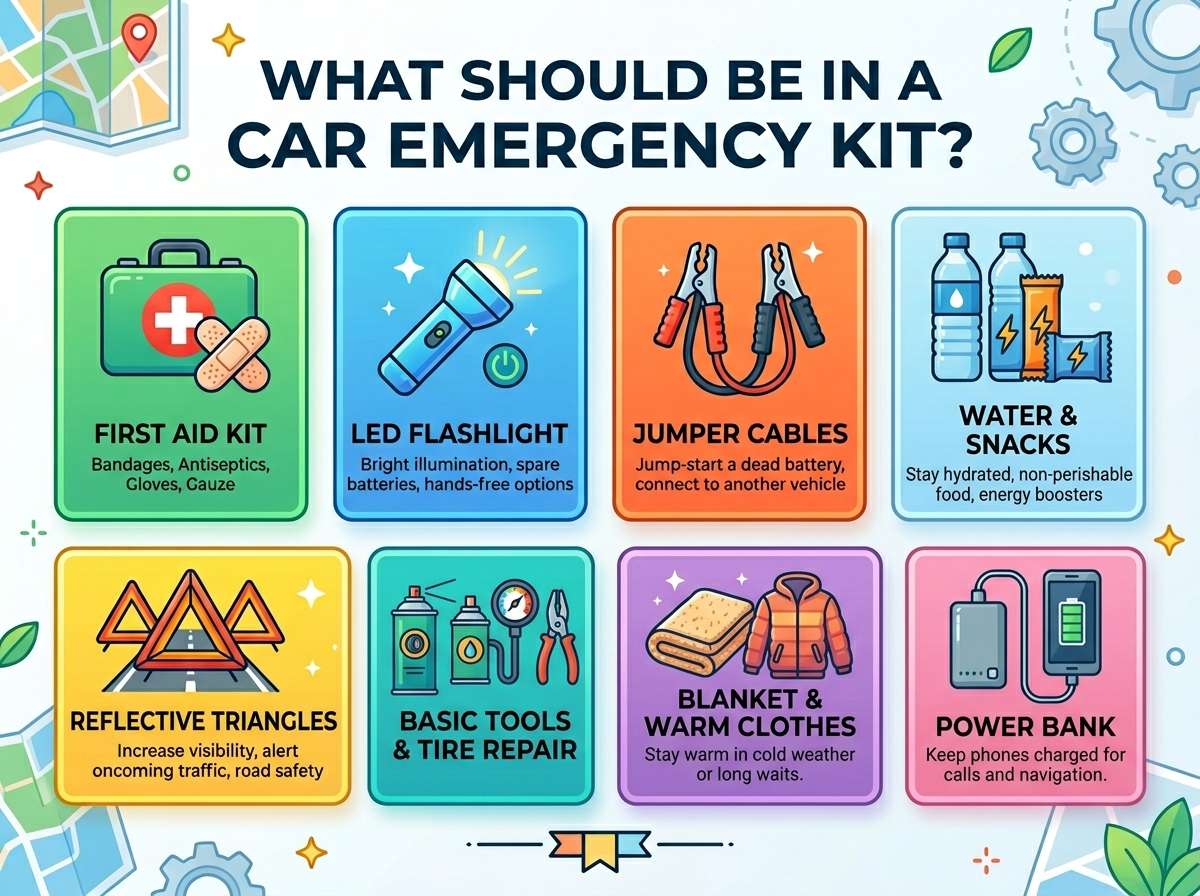
A flashlight is one of the most important items you can have. When your car breaks down at night, a good flashlight lets you see what you’re doing under the hood or check your tires. Get a bright LED flashlight because it uses less battery power than older models. Keep extra batteries with it.
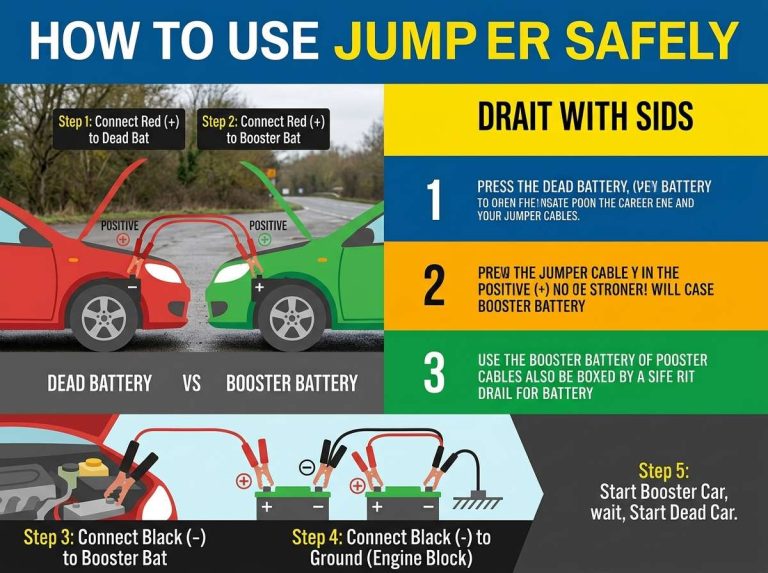
Jumper cables help you get a dead battery running again. They connect your battery to another car’s battery so electricity can flow through and wake up your car. If you’re not comfortable using jumper cables yourself, they’re still worth carrying because another driver might know how to use them, or you could call roadside assistance.
A jack and lug wrench let you change a flat tire yourself. Most cars come with these tools, but check your car to make sure they’re there and in good shape. If you have an older vehicle, the tools might be rusty or broken, so consider getting new ones.
Basic wrenches and screwdrivers help you make small fixes. A set that includes both Phillips and flathead screwdrivers, plus a few different sized wrenches, covers most situations. You don’t need a huge toolbox—just enough to tighten bolts or make quick adjustments.
Pliers and a multi-tool give you extra grip and cutting power. A good multi-tool has various blades, scissors, and small tools all in one. It’s compact and incredibly useful.
Duct tape is the fix-it hero of the road. It temporarily holds bumpers, secures loose parts, and solves problems you never thought about. Wrap some around a pencil to save space in your kit.
Fluids That Keep Your Car Running
Cars need different liquids to run properly, and running low on these fluids causes major problems. Keeping backups in your car lets you top off your tank and get where you need to go.
Motor oil is absolutely critical. Check what type your car uses—it’s usually printed on your owner’s manual or inside your fuel door. Keep at least two quarts in your car. If your oil level drops, your engine could seize up and stop running completely. Low oil causes serious damage.
Coolant, also called antifreeze, keeps your engine from overheating. If you notice your temperature gauge creeping up, adding coolant can save your engine. Keep a gallon of the right type for your vehicle.
Transmission fluid is something many drivers forget about, but it’s essential. It keeps your transmission working smoothly. Check your manual to see what type you need and keep some on hand.
Brake fluid is another must-have. If your brakes feel soft or spongy, low brake fluid might be the problem. This is more serious, so handle it carefully and consider calling roadside help if this happens.
Windshield washer fluid isn’t critical for emergencies, but it’s nice to have. You might need to clean your windshield for safety when driving at night.
Items That Keep You Safe and Visible
When your car breaks down on a busy road, other drivers need to see you. These items make sure people know you’re there and help you stay safe.
Reflective triangles or flares warn other drivers that your car is broken down. Set them about ten feet behind your car so drivers have time to slow down. These light-up safety devices are lifesavers because they’re visible day and night.
A high-visibility safety vest makes you easy to spot if you step out of your car. Wear it when you’re changing a tire or walking around your vehicle on the road. It’s cheap and potentially saves your life.
Hazard lights are built into your car, but make sure you know how to use them. Turn them on as soon as you realize something is wrong so other drivers know you’ve stopped unexpectedly.
A car emergency light or flashing beacon helps other drivers see your vehicle from far away. Some are magnetic and stick to your roof, others are LED lights you can set on your trunk.
First Aid and Medical Supplies
Accidents and injuries happen, so your car should have supplies to handle minor medical issues and be ready for serious ones.
A basic first aid kit should have bandages of different sizes, gauze pads, antibiotic ointment, and pain relievers. Add tweezers for splinters and triangular bandages for more serious injuries.
Antiseptic wipes clean cuts and scrapes before you bandage them. Keep a pack in your kit.
An elastic bandage helps if someone sprains a wrist or ankle. These are inexpensive and useful.
Gloves protect you when dealing with blood or other fluids. Medical gloves are important if you need to help another person.
Alcohol or hydrogen peroxide disinfects wounds. Small bottles take up minimal space.
Emergency blankets keep people warm if you’re stuck waiting for help in cold weather. They’re thin, folded packages that unfold into large blankets. Every car should have at least one.
Light Sources and Communication Tools
Darkness makes emergencies worse. Good lighting helps you see what’s happening and makes your car visible to others.
A bright flashlight with extra batteries deserves mentioning again because it’s that important. Get one that’s rechargeable via USB so you can charge it at home before each trip.
A headlamp wraps around your head and leaves your hands free while you work on your car. It’s incredibly handy when you’re fixing a flat tire or checking your engine at night.
Glow sticks provide light without batteries. They work great in emergencies and kids often find them reassuring if they’re scared.
A phone charger for your car lets you keep your phone powered up. Get a type that works with your phone and charge it regularly.
A car phone mount keeps your phone visible while you drive so you can see directions and take calls safely.
Supplies for Getting Unstuck
Different road conditions create different problems, and these items help you escape difficult situations.
Jumper cables get your car started if your battery dies. Keep quality cables that are in good condition.
A tire repair kit has patches and sealant that temporarily fix a small hole in a tire. This gives you time to drive to a tire shop to fix it properly.
Tire pressure gauge lets you check if your tires are at the right pressure. Low tire pressure affects how your car drives and can cause blowouts.
A portable tire pump inflates your tires if they’re low. Electric pumps are small and plug into your cigarette lighter or USB port.
Spare tire and lug wrench are usually already in your car, but verify they’re there and in working order.
Traction aids help your car grip the road when you’re stuck in snow or mud. Some kits have sand, kitty litter, or special mats that create friction under your wheels.
A shovel helps you dig your car out if you get stuck. Keep a small folding shovel so it doesn’t take up much space.
Items for Comfort and Basic Needs
Getting stuck on the road can take hours. These items help you stay comfortable while you wait.
Water bottles keep you hydrated. Pack at least two bottles per person in your household.
Non-perishable snacks like granola bars, nuts, or crackers keep your energy up. Choose foods that don’t go bad quickly.
Wet wipes let you clean your hands after working on your car. They also refresh you on a hot day.
Paper towels or rags clean up oil and other car fluids. They’re also useful for drying your hands.
Plastic bags hold trash and dirty items. They keep your car clean while you’re dealing with an emergency.
A blanket or jacket keeps you warm if you’re stranded in cold weather. Emergency blankets work, but a regular blanket is more comfortable.
Sunscreen and bug spray protect you from the elements if you’re stuck outside your car during the day.
Documentation and Information You Need
Keeping the right paperwork in your car helps when you need help from authorities or insurance companies.
Your driver’s license should always be with you—it’s required by law.
Vehicle registration proves you own your car. Keep it in the glove compartment.
Insurance information including your policy number and your insurance company’s phone number is essential if you’re in an accident. Call your insurance company right away if someone hits your car.
Emergency contact numbers written on paper help if your phone dies. Include family members, roadside assistance providers, and your insurance company.
Your vehicle manual explains your car’s systems and helps you understand warning lights. Digital copies work too if you have them on your phone.
A pen and notepad let you write down details if you’re in an accident. Get the other driver’s information, take photos with your phone, and note witness information.
Tools for Unexpected Situations
These items handle problems you might not think about until they happen.
Duct tape or electrical tape fixes loose parts temporarily. A roll of good tape solves countless road emergencies.
A knife or box cutter opens packages and cuts materials. Keep it safely stored.
Jumper cables deserve another mention because they’re that useful.
Work gloves protect your hands when handling sharp or dirty items.
A small fire extinguisher helps you fight a small car fire. Mount it where you can grab it quickly.
Bungee cords hold items in place if a bumper gets loose or you need to secure cargo.
WD-40 or similar lubricant loosens stuck bolts and quiets squeaks. A small can takes up minimal space.
A car phone stand keeps your phone visible for navigation when you’re dealing with an emergency.
Medications and Personal Items
Everyone’s medical needs are different, so customize this section for your household.
Your regular medications should travel with you if you take any daily. Keep them in their original containers.
Prescription glasses or contacts are critical if you wear them. Always carry a spare pair or extra contacts.
Pain relievers like ibuprofen or acetaminophen help with headaches and general pain.
Allergy medication is essential if you have allergies. Don’t forget inhalers if you have asthma.
Antacids help with stomach issues that might strike while you’re driving.
Anti-diarrhea medication keeps embarrassing situations from getting worse when you’re stuck on the road.
How to Organize Your Emergency Kit
Having all these supplies means nothing if you can’t find what you need in a crisis. Organization matters just as much as having the items.
Get a large container like a plastic toolbox, sturdy bag, or small storage bin. It should fit in your trunk without taking up too much space. Use dividers or smaller bags inside to organize items by category—one section for tools, one for fluids, one for first aid, and so on.
Label everything clearly so anyone in your car can find what they need. Put items you use frequently toward the front so you can access them easily.
Keep your paperwork in a waterproof folder with your emergency kit. Make sure everyone in your household knows where the kit is located.
Check your kit every few months. Replace items that expire, top off fluids that got low, and make sure batteries still have power. A kit that sits untouched for years might have dead batteries and expired medications when you actually need it.
Customizing Your Kit for Your Situation
Your specific needs depend on where you live and drive. Someone in a snowy climate needs different things than someone in a desert.
Cold climate drivers should add extra blankets, a heated emergency blanket, and extra warm clothing. A survival kit with fire-starting materials helps if you get stranded in snow.
Desert drivers need extra water—at least one gallon per person. Sun protection, a hat, and a mirror for signaling rescue planes all help.
City drivers might focus more on paperwork and communication tools since help is usually close by.
Highway drivers should emphasize visibility items, communication tools, and supplies for longer waits since they might be far from services.
Drivers with kids need extra snacks, activities to keep kids calm, and comfort items. Include child-sized first aid supplies and medication.
Maintenance Tips for Your Emergency Kit
Your kit only works if everything in it is actually useful. Regular maintenance keeps it ready.
Replace fluids every few years even if you didn’t use them. Old oil and coolant become less effective.
Check flashlight batteries every few months. Replace them if they’re getting weak.
Rotate snacks and water every six months to keep them fresh.
Make sure your jumper cables aren’t corroded. Wipe them with a cloth if they look rusty.
Check that your tire repair kit hasn’t hardened or separated. Replace it if the sealant looks odd.
Keep your first aid supplies fresh. Throw away any ointments or bandages that look old or damaged.
Update your emergency contact list at least once a year. Keep it current with new phone numbers.
What Makes a Truly Excellent Emergency Kit
The best car emergency kit isn’t the fanciest or the most expensive. It’s the one you actually have in your car and keep updated. Many people buy kits and then forget about them, making them useless when emergencies happen.
Your kit shows you care about your safety and the safety of your passengers. It demonstrates that you’re responsible and prepared. It transforms a scary breakdown from a disaster into a manageable problem.
The items in your kit let you help yourself, help others, and stay safe until professional help arrives. They’re tools of independence and security that sit quietly in your trunk, ready when you need them.
Getting Started with Your Emergency Kit Today
Don’t wait for an emergency to put together your kit. Start this week. Get a container and begin gathering supplies. You don’t need to buy everything at once—add items gradually as you notice them.
Many of these items are things you already have around your house. Gather a flashlight, some old rags, a blanket, and a pen. Put them in a bag in your trunk. That’s the start of your emergency kit.
Then build on it. Add a first aid kit. Grab some jumper cables. Get your important documents together. Every small addition makes your kit more complete.
Don’t forget to tell your family members about your kit and where it is. If your spouse or teenager needs to use it, they should know what’s inside and how to find it.
An emergency kit is one of the smartest investments you can make as a driver. It doesn’t cost a fortune. It doesn’t take up much space. But it can make the difference between a bad day and a truly terrible one.
Keep your emergency kit stocked, current, and accessible. Check it before long road trips. Keep the important information updated. Make sure your medications and supplies are still good.
Your safety on the road matters. Taking action today to build a solid emergency kit is a decision you’ll never regret. Every driver deserves to feel prepared and confident behind the wheel. Now you have the knowledge to create a kit that actually works.
Start today. Your future self will thank you when you’re grateful to have these supplies at hand during an unexpected crisis.

Peterson is an automotive safety enthusiast and product reviewer with a passion for helping drivers stay safe on the road. He researches and tests dash cams, backup cameras, TPMS systems, emergency tools, GPS trackers, and other vehicle safety products to provide honest, practical recommendations. Through CarSafeties.com, Peterson shares in-depth reviews, buying guides, and maintenance tips to help drivers make smarter and safer decisions.