Car Alarm Components Explained
Car alarm components are the parts that work together to detect a threat and warn people when someone tries to break into or move a vehicle. If you have wondered what goes on under the dashboard or why a key fob can set off a siren, this guide explains the basics in plain language. It is written for readers new to vehicle security.
You will learn the main parts of a car alarm, how each one does its job, and how they communicate. The article also covers common system types, typical problems, simple home checks, and when to call a professional. By the end, you should feel comfortable reading a product description or talking to an installer.
Key Takeaways
- A car alarm is a system of connected parts, not a single device.
- The control unit acts as the brain, reading signals from sensors and deciding when to alert.
- Sensors, sirens, key fobs, wiring and a backup power source each play a separate role.
- Most false alarms and failures come from weak batteries, faulty sensors or poor wiring.
- Simple home checks can catch many issues, while complex faults are best left to a professional.
What Are Car Alarm Components?
What a Car Alarm Is Made Of
A car alarm is built from several small units linked by wires or radio signals. Each unit handles one job, such as sensing movement, sending a command, or making noise. Together they form a complete security system.
Some parts are visible, like the siren or a door sensor. Others sit behind trim panels or inside the dashboard.
The Core Parts Every System Shares
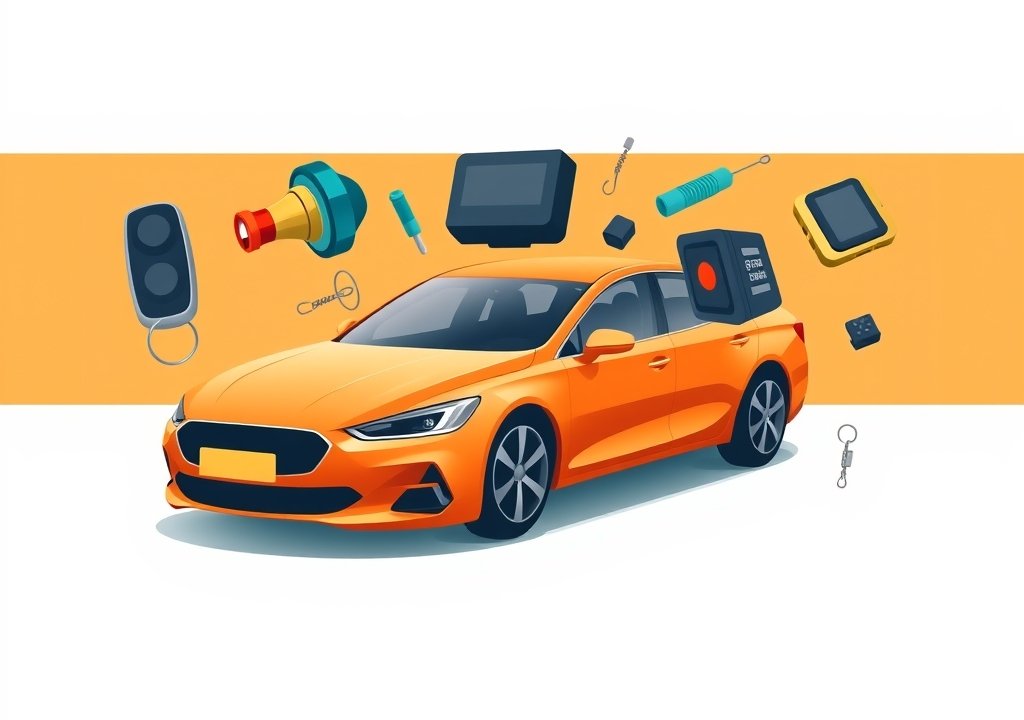
Most systems include a control unit, one or more sensors, a siren or horn, a remote transmitter, and wiring that connects everything. Many also include a power backup.
The exact mix depends on the vehicle and the system’s price. A basic setup may have fewer sensors, while an advanced one adds extra features.
Why Each Part Matters to Everyday Protection
Each component protects the vehicle in its own way. If one part fails, the system may not work as expected, and a sensor that misses a break-in leaves the car less protected.
Because the parts depend on each other, regular attention matters. A weak remote battery or loose wire can reduce protection even when the rest of the system is sound.
The Main Parts of a Car Alarm System
The Control Unit or Brain of the System
The control unit is the central part of the alarm. It receives signals from sensors and the remote, then decides what to do. When it detects a trigger while the system is armed, it activates the siren and lights.
The control unit is usually hidden under the dashboard or behind a panel. It stores settings such as arming behavior and alarm duration. Because it manages everything, it is often considered the most important component.
Sensors That Detect Movement, Impact and Opening
Sensors watch for signs that someone is near or tampering with the vehicle. Common types include door and trunk switches, shock sensors that pick up impacts, and motion sensors that notice movement inside the cabin. Some systems also include tilt sensors that detect a car being lifted.
Each sensor type targets a different threat. Sensors can occasionally trigger without a real threat, but using several types gives broader coverage.
Siren, Horn and Flashing Lights
The siren or horn makes noise to draw attention. Many systems use a separate siren unit, while others use the car’s horn. Flashing lights, usually the parking or hazard lights, add a visual signal.
Many alarms use a loud electronic siren that sounds different from a normal horn, so people can tell it is an alarm. The siren is usually mounted under the hood or behind a panel, out of easy reach. If it is damaged or disconnected, the alarm may still arm but fail to make noise.
Remote Key Fobs and Transmitters
The key fob is the handheld remote that lets the owner lock, unlock, arm and disarm the system. It sends a short radio signal to a receiver connected to the control unit. Pressing a button sends a specific code.
Fobs are powered by small batteries, which the owner usually replaces. Many fobs also include a panic button that triggers the siren on demand. Because the fob is used every day, it is one of the parts most likely to need attention.
Wiring Harness, Relays and Power Supply
The wiring harness is the bundle of wires that connects every part of the system. It carries power, signals and ground connections. A relay is a small electrical switch that lets the control unit turn on higher-current devices such as the siren or lights.
The power supply feeds electricity from the car battery to the system. Loose or damaged connections are a common source of faults, so good wiring matters.
Backup Battery and Power Sources
Some systems include a backup battery. This keeps the alarm working if a thief cuts the main power wire to the siren. Without a backup, a cut wire could silence the alarm.
The main power comes from the vehicle battery through the wiring. Not every system has a backup, so it is worth checking the product details.
How the Components Work Together
From Trigger to Alert: A Step-by-Step Walkthrough
The process starts when a sensor detects a change, such as a door opening. The sensor sends a signal to the control unit, which checks if the system is armed and if the signal is a real trigger.
- A sensor detects a door opening, impact or movement.
- The signal travels through the wiring to the control unit.
- The control unit confirms the system is armed.
- The control unit activates the siren and flashing lights.
- The alarm continues for a set time, then resets.
This sequence happens in a fraction of a second, and each step depends on the one before it. A bad wire can break the chain and stop the alert from reaching the siren.
What Happens When the Alarm Is Armed and Disarmed
Arming makes the system ready to respond to triggers. Usually the owner presses the lock button on the key fob, and many systems confirm this with a short chirp or a light flash.
Disarming turns the system off so the owner can enter the car without setting off the siren. Pressing the unlock button on the fob does this. Some systems also disarm when the key is used in a compatible ignition.
Signals, Frequencies and Remote Communication
The fob and the receiver communicate using radio signals sent on a specific frequency, which is a set band of radio waves. Modern systems use coded signals that change over time, which makes them harder to copy.
Interference from other devices or a low battery can weaken the signal, so the fob may need to be closer to the car. This explains why a remote sometimes seems unreliable.
Types of Car Alarm Systems and Their Components
Basic Factory and Aftermarket Alarms
Some vehicles come with an alarm installed by the manufacturer, called a factory alarm. Aftermarket alarms are added later by an owner or installer. Both types use the same basic parts, though the layout may differ.
Factory systems are usually built into the car’s wiring from the start. Aftermarket systems often need more careful installation, and available features depend on the product and vehicle.
Advanced Syst ems with GPS and Smartphone Alerts
Some newer systems add features beyond the basic alarm. GPS tracking can help locate a moved vehicle, and smartphone alerts can notify the owner when a sensor triggers, depending on the product.
These features add parts such as a GPS module, a cellular or data connection, and a mobile app. Each extra part needs power and a working connection, so there are more components that may need attention.
Immobilizers and Their Role Alongside the Alarm
An immobilizer is a separate anti-theft device that prevents the engine from starting unless the correct key or transponder is present. It differs from an alarm because it stops the car from running rather than making noise.
Many vehicles use an immobilizer together with an alarm. The alarm warns people during a break-in, while the immobilizer makes it harder to drive the car away.
Common Problems Linked to Alarm Components
Dead Key Fob Batteries and Weak Signals
A weak fob battery is one of the most common issues. The fob may stop working, or it may only work when held close to the car. Replacing the battery often solves the problem.
Interference or obstacles can also shorten signal range. If the fob seems unreliable, check the battery first.
Faulty Sensors and False Alarms
A false alarm happens when the system triggers without a real threat. Faulty or misaligned sensors are a frequent cause. A shock sensor may react to heavy rain, passing trucks or loud noises.
A sensitivity setting that is too high makes normal activity more likely to trigger the alarm. Adjusting the setting or checking the sensor position may reduce unwanted alerts.
Wiring Issues and Poor Installation
Loose connections, damaged insulation or corrosion can interrupt signals or power. The result may be an alarm that will not arm, or one that does not sound.
Wires pinched during fitting or connected to the wrong points can cause intermittent faults. Careful, tidy wiring helps prevent these issues.
Tips for Checking and Maintaining Your System
Simple Checks You Can Do at Home
Test the key fob from a short distance and then from farther away. Confirm that the battery is fresh and the buttons respond. Listen for the confirmation chirp when arming and disarming.
Check each door, the trunk and the hood to see if the system reacts. The owner’s manual explains sensitivity settings and reset steps, so keep it nearby.
When to Ask a Professional for Help
Call a qualified installer if the alarm keeps going off without cause, stops responding, or shows signs of wiring damage. Hidden wiring and control unit problems are best handled by someone with the right tools and training.
A professional can also advise on upgrades or replacement parts that suit the vehicle. This matters most for aftermarket systems, where compatibility is key.
Frequently Asked Questions
What is the most important component in a car alarm?
The control unit is generally considered the most important part. It receives signals from sensors and the remote, then decides when to activate the siren.
Can I replace a single car alarm component on its own?
Often, yes, especially for simple parts such as a key fob battery or a sensor. The new part must still be compatible with the system, so check the product details or ask an installer.
Why does my car alarm go off on its own?
Common causes include a sensitive shock sensor, a loose door switch or a wiring fault. Weather, loud noises and vibrations can also trigger sensors. Start by checking the sensors and connections.
<h3 Do car alarms need a separate battery? Many systems rely on the vehicle battery for power. Some include a small backup battery that keeps the siren working if the main wire is cut. Check the product details to see if one is included.
Are car alarm components the same in every vehicle?
The core parts are similar, but layout, wiring and mounting points differ between vehicles. Confirm compatibility before buying or fitting any part.
Conclusion
Car alarm components work as a team. Sensors detect a change, the control unit decides, and the siren, lights and power sources respond. Knowing each part’s role makes problems easier to spot and the right system easier to choose.

Peterson is an automotive safety enthusiast and product reviewer with a passion for helping drivers stay safe on the road. He researches and tests dash cams, backup cameras, TPMS systems, emergency tools, GPS trackers, and other vehicle safety products to provide honest, practical recommendations. Through CarSafeties.com, Peterson shares in-depth reviews, buying guides, and maintenance tips to help drivers make smarter and safer decisions.