Why Your TPMS Warning Light Stays On?
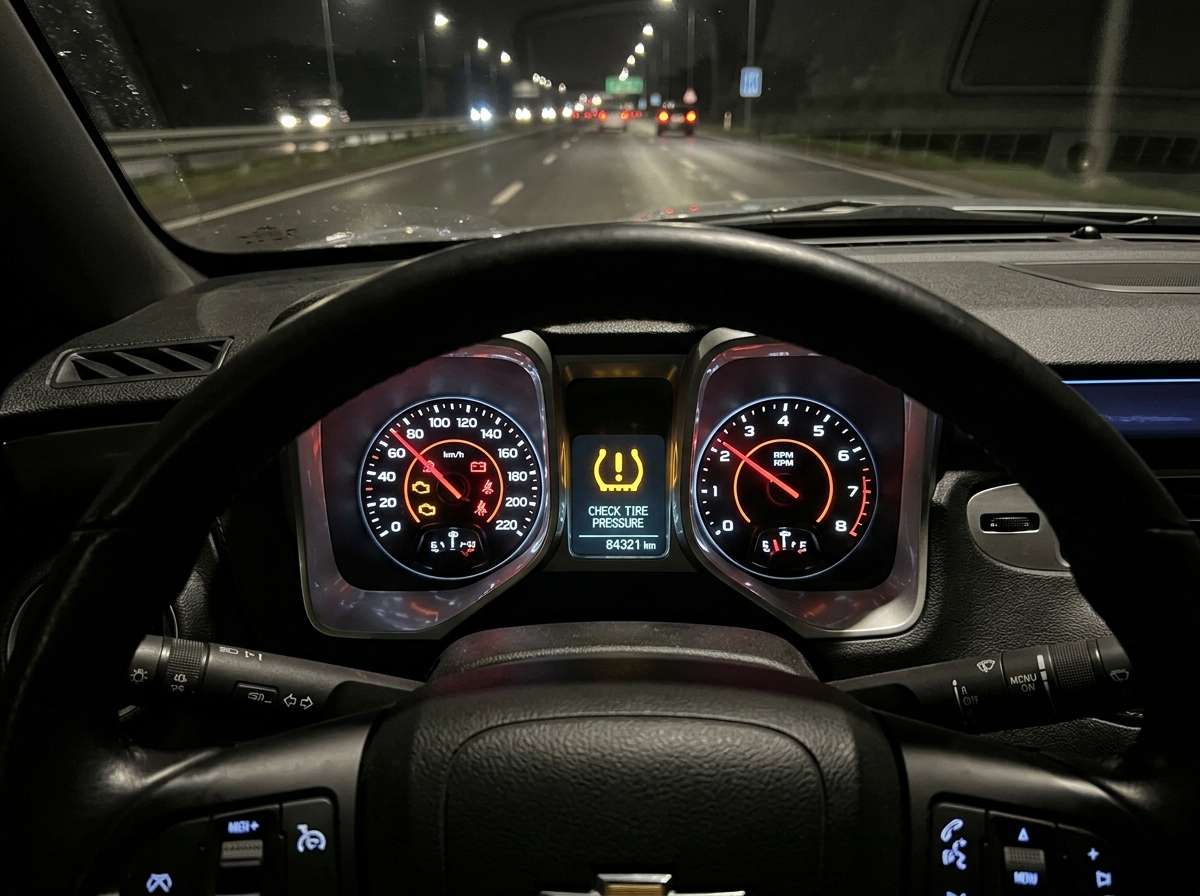
Your dashboard lights up with a little tire pressure symbol, and you think, “What’s that about?” The TPMS warning light is trying to tell you something important about your vehicle’s tire health. If this light stays on and refuses to go away, don’t panic. Let me walk you through exactly what’s happening and how to fix it.
In this article
What is TPMS, Anyway?
TPMS stands for tire pressure monitoring system. Think of it as a personal health monitor for your tires. This smart system watches the air pressure inside each of your four tires constantly. When something goes wrong with the tire pressure, your car sends you a message by lighting up that little icon on your dashboard.
Most cars have this system built in. If your vehicle was made after 2007, you almost certainly have a TPMS system installed. The system keeps an eye on whether your tires have too much air or not enough. Either way, it alerts you so you can fix the problem before it causes bigger issues.
Why Does Your TPMS Light Stay On?
A TPMS warning light that won’t turn off usually means one of a few things is happening. Let’s break down the most common reasons your tires are causing this alert.
Your Tires Have Low Pressure
The most common reason your TPMS light stays on is low tire pressure. When the air pressure drops below the recommended level, sensors inside your tires send a signal to your car’s computer. This triggers the warning light.
Tire pressure drops for several reasons. Cold weather is one big culprit. When the temperature drops, the air inside your tires contracts, which lowers the pressure. You might notice your TPMS light comes on during the winter months or early mornings when it’s coldest. As your tires warm up from driving, the pressure might go back to normal, but the light could stay lit until your car recognizes the change.
Underinflated tires also happen over time naturally. Your tires lose a tiny bit of air every single day, even if there’s no leak. This is just how tire rubber works. Over weeks and months, this gradual loss adds up, and eventually your pressure drops below the safe level.
You Have a Tire Leak or Puncture
A tire with a small hole or leak will lose pressure slowly. You might not notice anything wrong at first, but your TPMS sensor definitely will. The system detects this pressure drop and triggers the warning light.
Punctures happen in everyday driving. A sharp rock, a nail, a piece of broken glass—any of these can create a tiny hole in your tire. Small punctures don’t always cause immediate flat tires. Instead, they create slow leaks that your TPMS catches.
Sometimes the leak is so small that you might not hear any hissing sound or feel the tire getting soft quickly. But the sensor is sensitive and catches pressure losses that your hands might miss. If the same tire’s pressure keeps dropping, a puncture or leak is probably the issue.
A TPMS Sensor Has Died
Your car has four TPMS sensors, one in each tire. These sensors have batteries inside them that eventually run out of power. When a sensor battery dies, the sensor stops sending pressure readings to your car’s computer. This causes the TPMS light to stay on.
TPMS sensor batteries typically last seven to ten years. If your car is getting older, a dead sensor battery might be the culprit. The light stays on because your car can’t receive data from that tire anymore, so it can’t confirm whether the pressure is okay or not.
When a sensor fails completely, you’ll usually get a specific error code. Some cars will display a message like “tire pressure sensor malfunction” instead of just showing the warning icon.
The Recommended Pressure Setting is Wrong
Every vehicle has a correct tire pressure listed somewhere. You’ll find it on a sticker inside the driver’s door frame or in your owner’s manual. This is the recommended cold tire pressure your tires should maintain.
Sometimes people pump their tires to the pressure listed on the tire itself instead of the vehicle’s recommended pressure. Here’s the thing: the pressure on the tire sidewall is the maximum safe pressure, not the recommended operating pressure. These numbers are different. If you fill your tires to the sidewall pressure instead of the vehicle’s recommendation, your tires are overinflated.
Overinflated tires can also trigger your TPMS light, though less commonly than underinflated tires.
Your TPMS System Needs Recalibration
After you service your tires or replace them, your TPMS system might need to recalibrate. This is especially true if you had a tire replaced, rotated, or moved to a different wheel. The sensors need to relearn which sensor belongs to which tire position.
If you just had work done on your tires and the light came on, your TPMS system might just be confused about which sensor is in which spot. Recalibrating fixes this problem in minutes.
There’s an Issue with Your Car’s Computer
Rarely, the problem isn’t with your tires or sensors at all. Sometimes the TPMS receiver in your car’s computer malfunctions. This could be a wiring problem, a fuse that blew, or a software glitch. When this happens, your car can’t process the signals from your sensors anymore, so the light stays on.
This is less common than tire problems, but it does happen. If you’ve ruled out tire pressure and sensor issues, a computer problem might be to blame.
How to Fix a Persistent TPMS Warning Light
Now that you know why your light might be on, let’s talk about how to fix it. Start with the simplest solutions and work your way up.
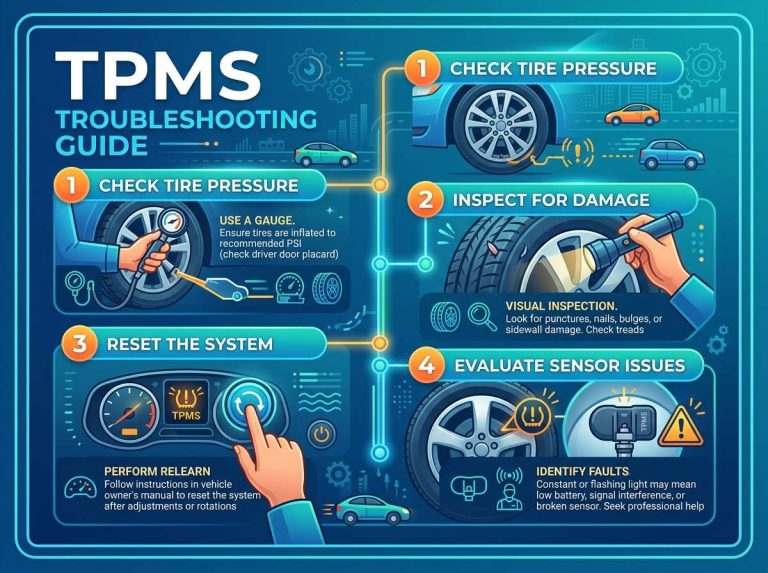
Check Your Tire Pressure First
This should be your first move. Grab an air pressure gauge. You can buy one cheap at any gas station or auto parts store. Check the pressure in all four tires when they’re cold—ideally before you’ve driven them or at least three hours after your last drive.
Compare your readings to the recommended pressure on the sticker inside your driver’s door. If any tire is low, add air until it reaches the right level. This solves the problem in most cases.
Once your tires are at the correct pressure, your TPMS light might turn off immediately or after a short drive. Some cars reset automatically once they sense correct pressure. Others need a manual reset.
Manually Reset Your TPMS Light
If your tire pressure is correct but the light won’t go off, try resetting it yourself. The exact process differs by car, so check your owner’s manual for specific steps. Most vehicles let you reset the system through the dashboard menu. Some cars require you to hold a reset button (usually located under the steering wheel) until the light blinks off.
A few older models require you to deflate the tires slightly and reinflate them to trigger a reset. Consult your manual to know which method applies to your car.
Drive Around to Let Sensors Recalibrate
Sometimes your TPMS just needs time to recalibrate after tire service. Drive your car normally for ten to twenty minutes at speeds above 30 miles per hour. This gives the sensors a chance to relearn your tire positions and send updated data to your car’s computer.
After this calibration drive, your light might turn off on its own.
Inspect Your Tires for Damage
Look carefully at each tire for punctures, cracks, or visible damage. Run your hand along the tire surface to feel for anything sharp embedded in the rubber. Check the sidewalls too. If you spot a nail or screw, you might be able to have it patched at a tire shop instead of replacing the whole tire.
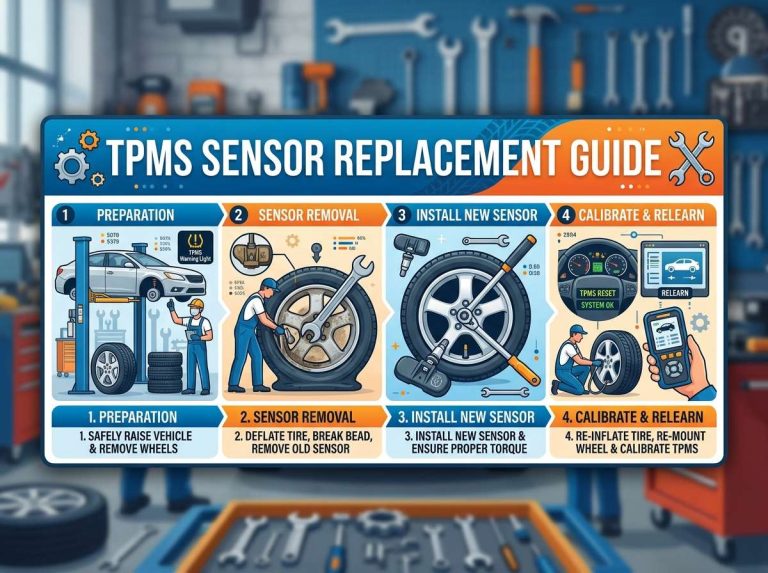
Replace a Dead TPMS Sensor
If you’ve confirmed your tire pressure is correct and the light won’t go away, a dead sensor is likely the problem. You’ll need to replace it at a tire shop or car dealership. This isn’t a DIY job for most people because sensors need to be programmed to your specific vehicle after installation.
A single sensor replacement usually costs between $150 and $250 for parts and labor. Dealerships might charge more than independent shops, but they’ll guarantee compatibility.
Get Professional Diagnostics
If nothing else works, take your car to a mechanic. They have diagnostic tools that can read error codes from your TPMS system and pinpoint exactly what’s wrong. They can tell you whether it’s a sensor issue, a wiring problem, or a computer glitch.
Preventing TPMS Problems Going Forward
Here’s the good news: you can prevent most TPMS issues with simple tire maintenance.
Check your tire pressure at least once a month. This catches problems early before your TPMS light even comes on. It only takes five minutes with a pressure gauge.
Rotate your tires every 5,000 to 7,000 miles. Regular rotation keeps pressure more even across all four tires and extends their life.
Keep your tires at the manufacturer’s recommended pressure year-round. Remember, this is the pressure on your door sticker, not on the tire itself. Proper pressure keeps your tires healthy and prevents premature sensor warnings.
During cold months, check your pressure more often. Cold weather naturally lowers tire pressure, so you’ll need to add air more frequently.
Inspect your tires regularly for damage, cracks, or foreign objects. The sooner you catch damage, the sooner you can have it repaired.
Common Mistakes People Make
Many car owners misunderstand their TPMS system and make mistakes that keep the light on longer than necessary.
The biggest mistake is checking pressure when tires are hot. Hot tires read higher than cold tires because the air inside expands from heat and friction. Always check pressure before driving or at least three hours after driving.
Another common error is inflating to the maximum pressure on the tire sidewall. This overinflates your tires and can actually trigger the TPMS light. Use your car’s recommended pressure instead.
Some people ignore a slowly dropping tire pressure, thinking it will go away on its own. It won’t. That’s your TPMS doing its job—telling you to add air. Ignoring it eventually leads to a flat tire and possible damage to your wheel rim.
When to Call a Professional
You definitely need professional help if:
- Your tire pressure is correct but the light won’t go off
- You suspect a sensor has failed
- Your TPMS light blinks on and off repeatedly
- You see an error code on your dashboard related to tire pressure monitoring
- You’ve had tire service and the light won’t reset
Mechanics and tire shops deal with TPMS issues all day. They can diagnose and fix problems much faster than you can troubleshoot them yourself.
The Bottom Line
A TPMS warning light that stays on is your car’s way of protecting you and your tires. The good news is that in most cases, the fix is simple: check your tire pressure and add air if needed. This solves about 90 percent of persistent TPMS warning light issues.
If your pressure is correct and the light still won’t go away, you’re dealing with either a dead sensor or a system malfunction. A mechanic can fix either problem in an hour or less. Until you get it fixed, keep checking your tire pressure manually every few days to stay safe.
The key to avoiding TPMS troubles altogether is simple preventive maintenance. Check your pressure monthly, keep your tires at the right pressure, and inspect them for damage regularly. Do these three things and you might never see that warning light again.
Your TPMS system exists to keep you safe. When it tells you something’s wrong, listen to it and take action. Most of the time, it’s an easy fix that takes just a few minutes of your time.

Peterson is an automotive safety enthusiast and product reviewer with a passion for helping drivers stay safe on the road. He researches and tests dash cams, backup cameras, TPMS systems, emergency tools, GPS trackers, and other vehicle safety products to provide honest, practical recommendations. Through CarSafeties.com, Peterson shares in-depth reviews, buying guides, and maintenance tips to help drivers make smarter and safer decisions.