Tpms Maintenance Tips
Your vehicle’s Tire Pressure Monitoring System (TPMS) is a vital safety feature designed to alert you when one or more of your tires are significantly under-inflated. While often overlooked until the dashboard warning light illuminates, proper TPMS maintenance is crucial for ensuring your safety on the road, optimizing fuel efficiency, and extending the lifespan of your tires. Ignoring TPMS warnings or neglecting its upkeep can lead to dangerous blowouts, uneven tire wear, and unnecessary expenses.
In this article
This comprehensive guide will demystify TPMS, providing you with practical tips, best practices, and essential insights into maintaining this critical system. We’ll cover everything from understanding how your TPMS works to troubleshooting common issues, ensuring your system remains accurate and reliable, and ultimately keeping you and your passengers safe.
Understanding Your TPMS: The Basics
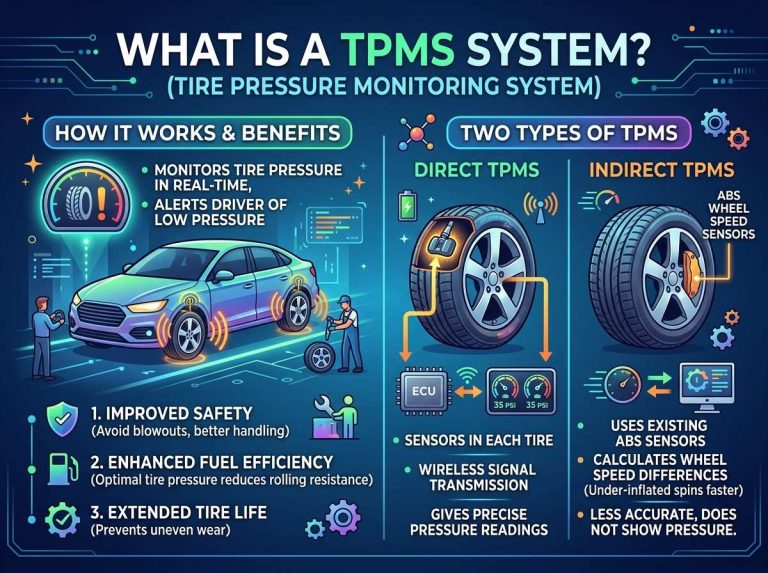
At its core, the Tire Pressure Monitoring System (TPMS) is an electronic system that monitors the air pressure inside your vehicle’s tires. Mandated in new vehicles in many countries for enhanced safety, its primary role is to provide real-time information to the driver, preventing accidents caused by under-inflated tires.
Direct vs. Indirect TPMS
There are two main types of TPMS:
- Direct TPMS: This is the more common and accurate system. It uses individual pressure sensors mounted inside each tire (often integrated with the valve stem) to directly measure the air pressure and temperature. These sensors transmit data wirelessly to a receiver in the vehicle, which then displays the information on your dashboard. When pressure drops below a safe threshold, the TPMS warning light illuminates.
- Indirect TPMS: This system works in conjunction with your vehicle’s Anti-lock Braking System (ABS) wheel speed sensors. It doesn’t directly measure tire pressure but rather monitors the rotational speed of each wheel. If a tire is under-inflated, its circumference shrinks slightly, causing it to rotate at a different speed than the other tires. The system detects this discrepancy and triggers the warning light. Indirect systems are generally less precise and don’t provide individual tire pressure readings.
How the Warning Light Works
Understanding your TPMS warning light is key to proper maintenance:
- Solid Light: A steady illuminated TPMS light typically indicates that one or more of your tires are significantly under-inflated (usually 25% below the manufacturer’s recommended pressure). This requires immediate attention.
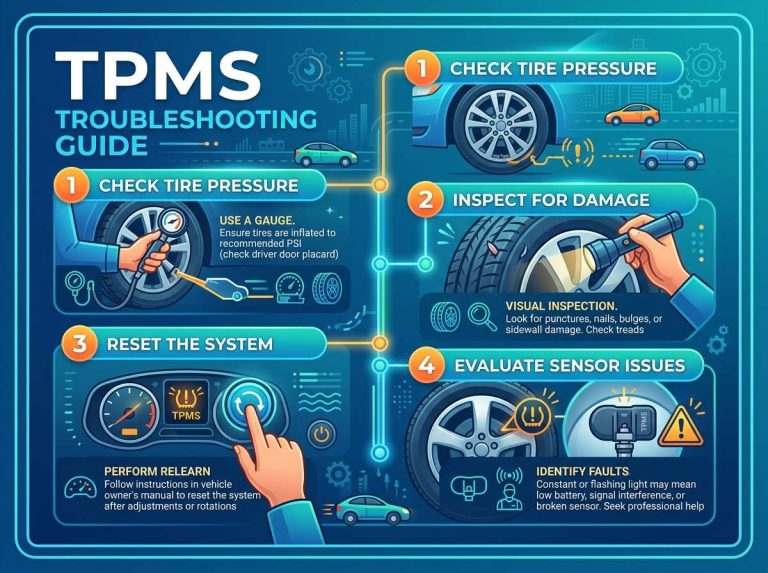
- Flashing Light: A flashing TPMS light, especially upon startup, usually signals a malfunction within the TPMS itself. This could be a dead sensor battery, a faulty sensor, or a system communication error. While it doesn’t necessarily mean your tires are low, it does mean your monitoring system isn’t working correctly and needs professional diagnosis.
Regular Tire Pressure Checks: Your First Line of Defense
Even with a sophisticated TPMS, manual tire pressure checks remain an indispensable part of routine vehicle maintenance. Your TPMS is a warning system, not a substitute for proactive care.
Why Manual Checks Are Still Essential
- Accuracy Verification: TPMS sensors can sometimes be slightly off, or the system might not register minor pressure drops that are still detrimental. A manual gauge provides a direct, independent verification.
- Early Detection: You might catch a slow leak before it triggers the TPMS light, preventing a more significant issue or even a flat tire.
- Post-Adjustment Confirmation: After adding air to a tire, a manual check confirms you’ve reached the correct pressure.
- Spare Tire: Most TPMS systems do not monitor the spare tire. A manual check ensures your spare is ready if needed.
How to Check Tire Pressure Correctly
- Use a Reliable Gauge: Invest in a good quality digital or stick-type tire pressure gauge.
- Check Cold Tires: Always check tire pressure when the tires are “cold” – meaning the car hasn’t been driven for at least three hours, or driven for less than a mile at moderate speed. Driving heats up the tires, increasing the air pressure and giving an inaccurate reading.
- Find the Recommended Pressure: The correct tire pressure for your vehicle is listed on a sticker inside the driver’s side door jamb, in your owner’s manual, or sometimes on the fuel filler flap. Never rely solely on the maximum pressure listed on the tire’s sidewall.
- Procedure:
- Remove the valve cap.
- Press the gauge firmly onto the valve stem until the hissing sound stops and the reading appears.
- Compare the reading to the recommended pressure.
- Add air if the pressure is too low, or release air if it’s too high.
- Replace the valve cap.
- Repeat for all four tires (and the spare, if applicable).
Impact of Incorrect Inflation
- Under-inflation: Reduces fuel efficiency, increases tire wear (especially on the shoulders), generates excessive heat (risk of blowout), and negatively impacts handling and braking performance.
- Over-inflation: Causes a harsher ride, reduces tire contact patch (less grip), increases wear in the center of the tread, and makes tires more susceptible to damage from road hazards.
Battery Life and Sensor Replacement
Direct TPMS sensors are powered by small, non-rechargeable lithium-ion batteries. These batteries have a finite lifespan, typically ranging from 5 to 10 years, or around 75,000 to 100,000 miles, depending on usage and environmental conditions.
Symptoms of a Dying TPMS Sensor Battery
- Intermittent Warning Light: The TPMS light might come on and off randomly, especially during startup or in cold weather.
- Flashing TPMS Light: A flashing TPMS light is often the first indicator of a sensor malfunction, which could be a dead battery.
- No Reading for a Specific Tire: If your vehicle has a display showing individual tire pressures, one tire might consistently show no reading or an “N/A” message.
When to Consider Replacement
- Tire Replacement: It’s highly recommended to replace TPMS sensors when you get new tires, especially if your sensors are already 5-7 years old. Since the tires need to be dismounted anyway, the labor cost for sensor replacement is significantly reduced. This proactive approach saves you from paying for additional labor later if a sensor fails shortly after new tires are installed.
- Sensor Failure: If a sensor fails due to a dead battery or internal damage, it will need to be replaced.
- Corrosion/Damage: Valve stems, which often house the sensors, can corrode or get damaged, necessitating replacement.
OEM vs. Aftermarket Sensors
- OEM (Original Equipment Manufacturer) Sensors: These are identical to the sensors originally installed in your vehicle. They offer guaranteed compatibility and performance but are generally more expensive.
- Aftermarket Sensors: These are third-party sensors designed to work with a range of vehicles. They can be more affordable but require careful selection to ensure compatibility. Some aftermarket sensors are “programmable” or “clonable,” meaning they can be programmed to mimic your original sensors’ IDs, simplifying the relearn process. Always choose reputable brands.
TPMS Relearn Procedures: What You Need to Know
After replacing a TPMS sensor, rotating tires, or sometimes even after a significant pressure adjustment, your vehicle’s TPMS needs to “relearn” the new sensor IDs and their positions. This process ensures the system accurately reports pressure from the correct tire. Failure to perform a relearn will result in the TPMS warning light remaining on.
Why Relearn is Necessary
- New Sensor IDs: Each TPMS sensor has a unique ID. When a new sensor is installed, the vehicle’s computer needs to be updated with this new ID.
- Tire Rotation: If you rotate your tires without performing a relearn, the vehicle’s system will still associate the front-left sensor ID with the rear-left tire, for example, leading to incorrect pressure readings displayed for the wrong wheel position.
- ECU Reset: Sometimes, after a battery disconnect or certain service procedures, the vehicle’s Engine Control Unit (ECU) might lose its stored TPMS data.
Common Relearn Methods
The specific relearn procedure varies significantly by vehicle make and model. Always consult your owner’s manual for the precise steps. Common methods include:
- Auto-Learn (Self-Learning): Some vehicles are designed to automatically relearn sensor IDs after driving for a certain period (e.g., 10-20 minutes above a specific speed). This is the simplest method.
- Manual Relearn (Magnet or Pressure Drop Method): Older vehicles or specific models might require a manual sequence, often involving:
- Putting the vehicle into “relearn mode” (often by pressing a button sequence or cycling the ignition).
- Deflating and re-inflating each tire in a specific order, or using a special magnet tool near the valve stem, to activate each sensor.
- OBD-II Tool Relearn: The most common and reliable method for many modern vehicles. A specialized TPMS scan tool is connected to the vehicle’s OBD-II port. This tool can:
- Read the IDs of the new sensors.
- Force the vehicle into relearn mode.
- Write the new sensor IDs directly to the vehicle’s computer. This method is typically performed by professional mechanics or tire shops.
When to Seek Professional Help
If you’ve replaced sensors or rotated tires and your TPMS light remains on after attempting a manual relearn (if applicable), it’s best to visit a qualified technician. They have the specialized tools (TPMS scan tools) and expertise to correctly perform the relearn procedure and diagnose any underlying issues.
Dealing with the TPMS Warning Light
The illumination of your TPMS warning light should never be ignored. It’s an alert that something is wrong, and prompt action can prevent more serious problems.
Solid Light: Low Tire Pressure
- Immediate Action: When the solid TPMS light comes on, it means one or more tires are significantly under-inflated.
- Safely Pull Over: Find a safe place to pull over as soon as possible.
- Visually Inspect Tires: Check all tires for obvious signs of a flat or severe under-inflation.
- Check Pressure Manually: Use a reliable tire pressure gauge to check the pressure in all four tires. Compare readings to the recommended pressure found on your vehicle’s door jamb sticker.
- Inflate to Correct Pressure: If a tire is low, inflate it to the manufacturer’s recommended PSI. If you have a portable air compressor, use it. Otherwise, drive carefully to the nearest gas station with an air pump.
- Monitor: After inflation, the TPMS light should turn off within a few minutes of driving. If it doesn’t, or if the light comes back on, there might be a slow leak or a TPMS system issue.
Flashing Light: Sensor Malfunction or System Issue
- Immediate Action: A flashing TPMS light indicates a fault with the TPMS system itself, not necessarily low tire pressure.
- Check Tire Pressure Manually: Even with a flashing light, it’s always a good idea to manually check your tire pressures to rule out under-inflation as a contributing factor or a separate issue.
- Schedule Service: If tire pressures are correct and the light is still flashing, it points to a TPMS system malfunction. This could be a dead sensor battery, a damaged sensor, wiring issues, or a problem with the TPMS control module. Schedule an appointment with a trusted mechanic or tire shop for diagnosis. They will use a specialized scan tool to read diagnostic trouble codes (DTCs) and pinpoint the exact problem.
Common Reasons for False Alarms
- Temperature Changes: Air pressure decreases in cold weather and increases in hot weather. A significant drop in ambient temperature (e.g., overnight) can cause tire pressure to fall below the TPMS threshold, triggering the light, even if the tires weren’t leaking. Once the tires warm up from driving, the pressure might rise, and the light could turn off. Always check and adjust pressure to compensate for seasonal changes.
- Recent Tire Service: If the light comes on shortly after new tires, a rotation, or a repair, it might be due to an incomplete or incorrect TPMS relearn procedure.
Tire Service and TPMS Considerations
Whenever your tires are serviced – whether it’s for new tires, a rotation, or a puncture repair – it’s crucial to consider the TPMS. Proper handling and servicing of the sensors are vital to their longevity and accuracy.
Inform Your Technician
Always inform your technician that your vehicle is equipped with TPMS. This ensures they take the necessary precautions and perform the correct procedures.
Importance of Valve Stem Service Kits
Direct TPMS sensors are often integrated into the valve stem. These valve stems are exposed to road grime, chemicals, and temperature fluctuations. Over time, components can wear out or corrode.
- Components: A typical TPMS valve stem service kit includes:
- A new valve core (which seals the air in the tire).
- A new grommet or rubber seal (which prevents air leaks around the sensor).
- A new retaining nut.
- A new valve cap.
- Why They’re Essential: During tire service, these components should be inspected and, ideally, replaced. The rubber grommet can degrade and cause slow leaks, and the valve core can corrode, making it difficult to add air or get an accurate reading. Replacing these inexpensive parts whenever tires are dismounted (especially when getting new tires) is a smart preventative measure that extends the life of the sensor and prevents future leaks.
Avoiding Damage During Tire Mounting/Dismounting
TPMS sensors are delicate electronic components. Without proper care, they can be easily damaged during tire mounting or dismounting.
- Trained Technicians: Ensure your tire service is performed by technicians trained in TPMS-equipped vehicles. They use specialized tools and techniques to avoid hitting or crushing the sensors.
- Proper Lubrication: Adequate lubrication of the tire bead is essential to prevent the sensor from catching on the tire machine during installation or removal.
TPMS Sensor Reprogramming
After any tire service involving sensor replacement or rotation, the sensors often need to be reprogrammed or the vehicle’s ECU needs to undergo a relearn procedure to correctly identify the sensor locations. Your tire shop should be equipped to handle this.
Environmental Factors and TPMS Performance
Several environmental factors can influence your tire pressure and, consequently, your TPMS readings. Being aware of these can help you understand why your TPMS light might sometimes behave unexpectedly.
Temperature Fluctuations
- Cold Weather: For every 10-degree Fahrenheit drop in ambient temperature, tire pressure can decrease by approximately 1 PSI. This is the most common reason for the TPMS light to come on during the first cold snap of the season. If your tires were marginally inflated before the temperature drop, they might fall below the TPMS threshold.
- Hot Weather: Conversely, hot weather can increase tire pressure. While less likely to trigger a warning, excessively high temperatures combined with driving can lead to over-inflation, which is also undesirable.
- Action: Always check and adjust tire pressure to the recommended PSI based on cold readings, especially with significant seasonal temperature changes.
Altitude Changes
While less dramatic than temperature, significant changes in altitude can also affect tire pressure. As you ascend, atmospheric pressure decreases, allowing the internal tire pressure to exert more force outwards, potentially leading to a slight increase in PSI. The opposite occurs when descending. For most drivers, this effect is negligible unless traveling through extreme elevation changes.
Driving Habits
Aggressive driving, such as hard cornering or sudden braking, can generate more heat in the tires, temporarily increasing pressure. While unlikely to cause a false TPMS warning in a well-maintained system, consistent aggressive driving can put more stress on tires and sensors over time.
Common TPMS Maintenance Mistakes to Avoid
Preventing TPMS issues often comes down to avoiding common pitfalls. Being aware of these mistakes can save you time, money, and potential safety hazards.
- Ignoring the Warning Light: This is perhaps the most dangerous mistake. A solid light indicates low pressure, which can lead to blowouts, poor handling, and increased stopping distances. A flashing light means your safety system is compromised. Never put off addressing a TPMS warning.
- Not Performing Manual Pressure Checks: Relying solely on your TPMS can be a mistake. As discussed, manual checks ensure accuracy, catch slow leaks early, and confirm the pressure in your spare tire.
- Using Incorrect Tire Pressure: Always inflate your tires to the vehicle manufacturer’s recommended PSI, not the maximum pressure listed on the tire’s sidewall. Incorrect pressure compromises safety and tire life.
- Failing to Replace Sensor Service Kits: When getting new tires, skipping the replacement of the inexpensive valve stem service kit components (grommet, valve core, nut) can lead to slow leaks or sensor damage later on, requiring another trip to the tire shop.
- Trying DIY Sensor Replacement Without Proper Tools/Knowledge: TPMS sensors are delicate and require specific tools for removal, installation, and relearn procedures. Attempting DIY replacement without the right equipment can damage the sensor, the tire, or the wheel.
- Not Relearning Sensors After Service: If new sensors are installed or tires are rotated, and the relearn procedure isn’t performed correctly, the TPMS light will remain on, or the system will report incorrect tire locations. Always ensure this step is completed by a professional.
- Using Tire Sealant Improperly: Some tire sealants can clog or damage TPMS sensors. If you use a sealant for an emergency repair, be aware that the sensor might need cleaning or replacement afterward. Always check the sealant product’s compatibility with TPMS.
Extending the Life of Your TPMS Sensors
While TPMS sensor batteries have a finite life, there are steps you can take to maximize their lifespan and ensure the overall health of your TPMS.
- Maintain Proper Tire Inflation: Consistently driving with correctly inflated tires reduces stress on the sensors and the tires themselves. Avoid drastic pressure fluctuations.
- Regular Tire Rotation: Following your vehicle’s recommended tire rotation schedule promotes even tire wear, which can indirectly benefit TPMS sensors by maintaining consistent operating conditions.
- Gentle Driving Habits: Avoid harsh impacts with potholes or curbs, as these can physically damage TPMS sensors or their valve stems.
- Use Quality Valve Caps: Ensure all your valve stems have caps. These protect the valve core from dirt, moisture, and corrosion, which can prolong the life of the entire valve stem assembly, including integrated sensors.
- Professional Tire Service: Always have tire work performed by reputable shops with technicians experienced in handling TPMS-equipped vehicles. Their expertise minimizes the risk of sensor damage during mounting, dismounting, or balancing.
- Proactive Replacement During Tire Changes: As mentioned, if your sensors are approaching the end of their battery life (5-7 years), consider replacing them when you get new tires. This is the most cost-effective time to do so, as the labor for dismounting and mounting tires is already being performed.
Frequently Asked Questions
Q1: How long do TPMS sensors last?
A1: TPMS sensors typically last between 5 to 10 years, or around 75,000 to 100,000 miles. Their lifespan depends on factors like driving habits, climate, and the specific sensor’s battery.
Q2: Can I drive with the TPMS light on?
A2: While you can technically drive with the TPMS light on, it’s highly advised against. A solid light indicates low tire pressure, which is a serious safety hazard. A flashing light means your safety system is not working, leaving you without critical warnings. Address the issue immediately for your safety.
Q3: Do I need to replace all TPMS sensors at once?
A3: Not necessarily. If only one sensor has failed, you can replace just that one. However, if your sensors are all around the 5-7 year mark, it’s often more cost-effective to replace all of them when you get new tires, as the others are likely to fail soon thereafter.
Q4: Why does my TPMS light come on in cold weather?
A4: Cold weather causes the air inside your tires to contract, leading to a drop in tire pressure. If your tires were already marginally inflated, a significant temperature drop can push them below the TPMS warning threshold. This is a common occurrence and usually just requires adding air to your tires.
Q5: Can I reset the TPMS light myself?
A5: For a solid light due to low pressure, inflating your tires to the correct PSI and driving for a few minutes will usually reset the light automatically. For a flashing light or after sensor replacement/tire rotation, a manual relearn procedure might be possible (check your owner’s manual), but often requires a specialized TPMS scan tool used by professionals.
Q6: What’s the difference between direct and indirect TPMS?
A6: Direct TPMS uses actual pressure sensors inside each tire to measure pressure directly, offering precise readings. Indirect TPMS uses the vehicle’s ABS wheel speed sensors to infer low pressure by detecting differences in wheel rotation speed, making it less precise and unable to provide exact pressure readings.
Final Verdict
The Tire Pressure Monitoring System is a cornerstone of modern vehicle safety and efficiency. While it operates largely behind the scenes, proactive TPMS maintenance is not just a recommendation—it’s a critical aspect of responsible vehicle ownership. By regularly checking your tire pressures manually, understanding the nuances of sensor battery life and replacement, and ensuring proper procedures during tire service, you can extend the life of your TPMS, prevent costly repairs, and most importantly, enhance your safety on every journey. Don’t wait for the warning light to illuminate; integrate TPMS care into your routine vehicle maintenance, and drive with confidence knowing your tires are always optimally monitored.

Peterson is an automotive safety enthusiast and product reviewer with a passion for helping drivers stay safe on the road. He researches and tests dash cams, backup cameras, TPMS systems, emergency tools, GPS trackers, and other vehicle safety products to provide honest, practical recommendations. Through CarSafeties.com, Peterson shares in-depth reviews, buying guides, and maintenance tips to help drivers make smarter and safer decisions.