Tpms Sensor Lifespan
Your vehicle's Tire Pressure Monitoring System (TPMS) sensors are the unsung heroes of road safety, constantly keeping an eye on your tire pressure to prevent dangerous situations. While often overlooked until a warning light appears, these small devices play a crucial role in maintaining optimal driving conditions, fuel efficiency, and tire longevity. However, like any electronic component, TPMS sensors have a finite lifespan, primarily dictated by their internal battery.
In this article
Understanding the expected TPMS sensor lifespan, the factors that can shorten or extend it, and the signs of impending failure is essential for every vehicle owner. Ignoring a faulty sensor can lead to more than just an annoying dashboard light; it can compromise your safety and lead to costly repairs down the line. This comprehensive guide will equip you with everything you need to know about TPMS sensor longevity, maintenance, and when it’s time for a replacement, ensuring you stay safe and informed on the road.
What is a TPMS Sensor and Why Does it Matter?
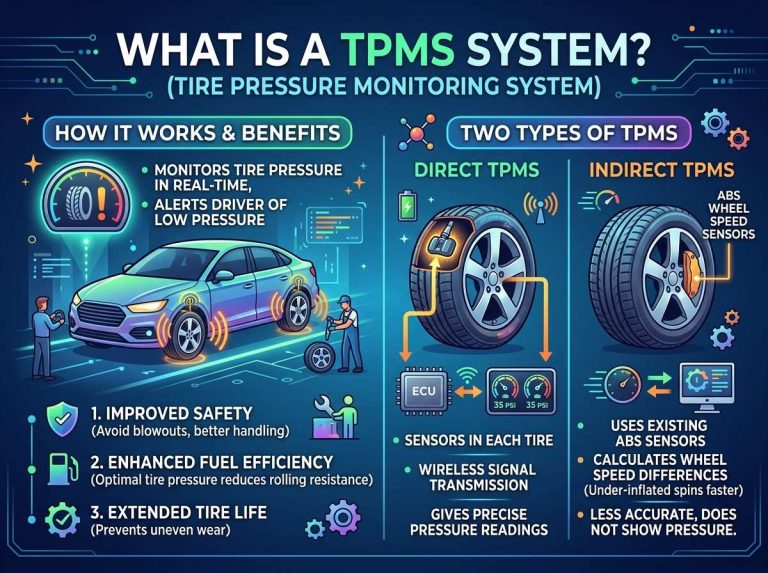
A Tire Pressure Monitoring System (TPMS) is a safety feature designed to monitor the air pressure inside your vehicle's tires. It alerts you when tire pressure drops significantly below the recommended levels, helping to prevent accidents caused by underinflated tires. There are two main types of TPMS:
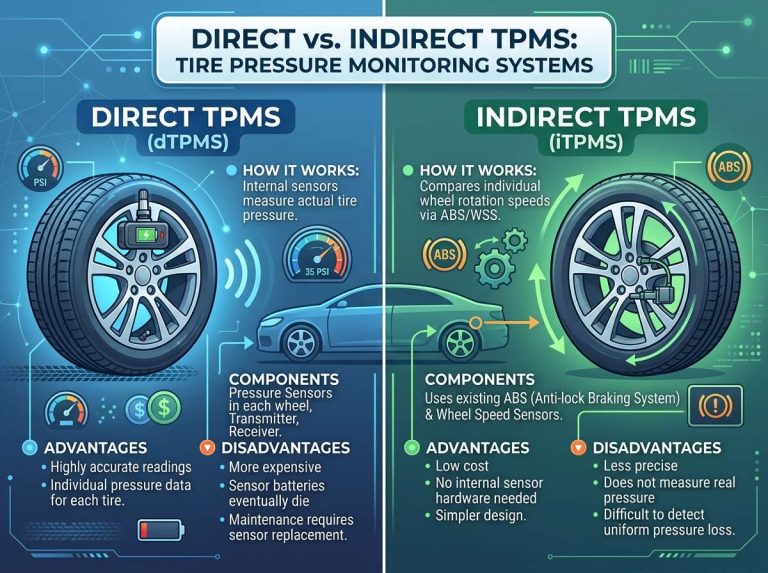
- Direct TPMS: This system uses individual pressure sensors mounted inside each tire, usually integrated with the valve stem. These sensors directly measure the air pressure and temperature within each tire and transmit this data wirelessly to your vehicle's onboard computer. This is the type of system with a sensor lifespan we are discussing.
- Indirect TPMS: This system works with your vehicle's Anti-lock Braking System (ABS) wheel speed sensors. It monitors the rotational speed of each wheel. A tire with lower pressure will have a slightly smaller circumference and thus rotate faster than a properly inflated tire. The system then infers that a tire is underinflated. Indirect systems do not use physical sensors inside the tires, so they don't have a sensor lifespan issue in the same way.
Why TPMS Matters:
- Enhanced Safety: Properly inflated tires are critical for safe driving. Underinflated tires can lead to poor handling, increased braking distances, and a higher risk of blowouts, especially at high speeds. TPMS provides real-time alerts, allowing you to address pressure issues promptly.
- Improved Fuel Efficiency: Underinflated tires increase rolling resistance, forcing your engine to work harder and consume more fuel. Maintaining correct tire pressure can significantly improve your vehicle's fuel economy.
- Extended Tire Life: Incorrect tire pressure causes uneven tread wear, shortening the lifespan of your tires. TPMS helps ensure even wear by prompting you to maintain optimal pressure, thereby extending the life of your tires and saving you money on replacements.
- Environmental Impact: Better fuel efficiency means fewer emissions, contributing to a greener environment.
The Expected Lifespan of TPMS Sensors
The typical lifespan of a direct TPMS sensor is generally between 5 to 10 years. This wide range exists because the primary determinant of a sensor's life is its internal battery, which is usually sealed and non-replaceable. Once the battery dies, the entire sensor unit needs to be replaced.
Why Battery Life is Key
TPMS sensors are constantly active, measuring pressure and transmitting data, even when your vehicle is parked (though they often enter a low-power mode). This continuous operation drains the battery over time. Factors like driving frequency, vehicle speed, and environmental conditions can influence how quickly this battery depletes.
OEM vs. Aftermarket Sensors
- OEM (Original Equipment Manufacturer) sensors: These are the sensors that came with your car from the factory. They are designed to meet the exact specifications of your vehicle and often have a robust build quality, contributing to their typical 7-10 year lifespan.
- Aftermarket sensors: These are replacement sensors manufactured by third-party companies. While often more affordable, their lifespan can vary significantly. High-quality aftermarket sensors can rival OEM lifespan, but cheaper alternatives might only last 3-5 years. It's crucial to choose reputable brands when considering aftermarket options.
Ultimately, while 5-10 years is a good general guideline, several variables can either extend or shorten this period.
Factors Influencing TPMS Sensor Lifespan
Many elements contribute to how long your TPMS sensors will last. Understanding these can help you anticipate potential issues and make informed decisions.
Battery Type and Quality
As mentioned, the non-replaceable battery is the heart of a TPMS sensor. The quality and chemistry of this battery (often lithium-ion) directly impact its lifespan. Higher quality batteries, common in OEM sensors, tend to last longer.
Driving Habits and Mileage
The more you drive, the more frequently your TPMS sensors are active, transmitting data. High mileage drivers will generally experience shorter sensor lifespans compared to those who drive infrequently, as constant activation drains the battery faster.
Environmental Conditions
Extreme temperatures, both hot and cold, can negatively affect battery performance and overall sensor life.
- High Heat: Accelerates chemical reactions within the battery, causing it to degrade faster.
- Extreme Cold: Can temporarily reduce battery efficiency, making the sensor struggle to transmit data.
Road salt, chemicals, and corrosive materials encountered during winter driving can also lead to external corrosion, particularly around the valve stem, potentially compromising the sensor's integrity.
Tire Rotations and Maintenance
While not directly shortening battery life, improper handling during tire service (rotations, changes, repairs) can physically damage the sensors. Technicians must be trained to work with TPMS-equipped wheels to avoid accidental breakage.
Road Hazards and Physical Damage
Impacts from potholes, curbs, or minor accidents can physically damage the sensors, even if the tire itself remains intact. A compromised sensor housing can lead to moisture ingress and premature failure.
Corrosion
The valve stem, where the sensor is often attached, is exposed to the elements. Corrosion due to moisture, road salt, or certain tire sealants can weaken the valve stem and potentially damage the sensor connection or the sensor itself. Using proper valve caps helps protect against this.
Sensor Technology
Newer generations of TPMS sensors may incorporate more efficient power management techniques or longer-lasting battery technology, potentially offering an extended lifespan compared to older designs.
Common Signs of a Failing TPMS Sensor
Recognizing the symptoms of a dying TPMS sensor can save you from unexpected issues and allow for proactive replacement.
Persistent TPMS Warning Light
This is the most obvious indicator. If your TPMS warning light illuminates and stays on, even after you've checked and corrected your tire pressures, it often points to a sensor malfunction or a dead battery in one or more sensors.
Intermittent Warning Light
Sometimes, the light might come on and off sporadically. This could be an early sign of a dying battery, where the sensor struggles to transmit a consistent signal, or a weak connection. Cold weather can sometimes exacerbate this, as battery performance temporarily dips.
Incorrect Tire Pressure Readings
If your dashboard display shows a tire pressure that is significantly different from what you measure with a reliable manual gauge, one of your sensors might be transmitting inaccurate data. This could be due to internal sensor failure or damage.
Inability to Relearn
After a tire rotation, replacement, or sensor replacement, TPMS sensors need to be "relearned" by the vehicle's computer. If a sensor consistently fails the relearn procedure, despite proper execution, it's a strong indication of a faulty sensor.
Visible Damage
During a tire service, a technician might notice visible damage to the sensor or its valve stem, such as cracks, corrosion, or a bent stem. This physical damage can lead to sensor failure.
Battery Warning (if applicable)
Some advanced TPMS systems can differentiate between a low tire pressure warning and a low sensor battery warning, displaying a specific message or symbol for the latter. Consult your vehicle's owner's manual for details.
What Happens When a TPMS Sensor Fails?
A failed TPMS sensor isn't just an annoyance; it has several practical implications.
- Compromised Safety: The primary concern is the loss of accurate, real-time tire pressure monitoring. You lose a critical safety net against underinflation, increasing your risk of tire-related accidents.
- Persistent Dashboard Light: The TPMS warning light will remain illuminated on your dashboard. While not immediately dangerous, it can be distracting and may mask other, more critical warning lights if you become accustomed to ignoring it.
- Inability to Pass Inspections: In some regions, a non-functional TPMS system (indicated by a persistent warning light) can cause your vehicle to fail safety inspections or emissions tests.
- Potential for Premature Tire Wear: Without reliable pressure monitoring, you might inadvertently drive on underinflated tires for extended periods, leading to uneven and premature tire wear, requiring earlier tire replacements.
- Reduced Fuel Economy: Similarly, driving on underinflated tires without knowing it will continue to negatively impact your vehicle's fuel efficiency, costing you more at the pump.
Maintaining Your TPMS Sensors for Longevity
While sensor batteries are sealed, there are best practices that can help protect your sensors and potentially extend their functional life, or at least prevent premature failure.
Professional Tire Service
This is paramount. Anytime you have tire work done (rotations, changes, repairs), ensure it's performed by technicians experienced with TPMS-equipped vehicles. They use specific tools and procedures to avoid damaging the delicate sensors during tire removal and installation.
Regular Tire Pressure Checks
Do not rely solely on your TPMS. Manually check your tire pressure with a reliable gauge at least once a month, and before long trips. This provides a backup check and helps you identify issues before the TPMS light even comes on.
Proper Valve Stem Care
- Always use valve caps: Valve caps protect the valve stem and the sensor from dirt, moisture, and road debris, which can cause corrosion or damage.
- Check for corrosion: Periodically inspect the valve stems for signs of corrosion, especially if they are metal. Corrosion can weaken the stem and affect the sensor's connection.
- Replace valve stems: When getting new tires, it's often recommended to replace the valve stems as well, as they can degrade over time. Many TPMS sensors have replaceable valve stem components.
Avoiding Harsh Chemicals
Be mindful of the chemicals used for wheel cleaning or tire dressing. Some harsh chemicals can accelerate the degradation of rubber or plastic components of the sensor or valve stem.
TPMS Relearn Procedures
Understand that after tire service or sensor replacement, a TPMS relearn procedure is often necessary. This process helps your vehicle's computer recognize the sensors and their positions. Ensure your service center performs this correctly.
TPMS Sensor Replacement: When and How
Replacing a TPMS sensor is a common maintenance item, particularly as vehicles age.
When to Replace
- Dead Battery: The most common reason. If a sensor's battery dies, the entire unit needs replacement.
- Sensor Failure: If a sensor is transmitting inaccurate data or has internal component failure.
- Physical Damage: If the sensor is cracked, corroded beyond repair, or broken due to impact.
- During Tire Replacement: Many vehicle owners opt to replace TPMS sensors when getting a new set of tires, especially if the sensors are nearing their expected lifespan. This saves on labor costs later, as the tire is already off the wheel.
OEM vs. Aftermarket Sensors
- OEM Sensors: Guaranteed compatibility and often higher quality, but typically more expensive.
- Aftermarket Sensors: Can be a cost-effective alternative. Look for reputable brands that offer programmable or universal sensors compatible with a wide range of vehicles. Ensure they come with a warranty.
The Replacement Process
- Tire Removal: The tire must be removed from the wheel to access the sensor.
- Old Sensor Removal: The old sensor is unbolted or unclipped from the valve stem.
- New Sensor Installation: The new sensor is installed, ensuring it's properly seated and torqued.
- Tire Mounting and Balancing: The tire is remounted, inflated, and the wheel is balanced.
- TPMS Relearn/Programming: The new sensor needs to be programmed or "relearned" by the vehicle's computer. This can involve driving, using a special scan tool, or a combination of methods, depending on the vehicle make and model.
Cost Considerations
The cost of replacing a TPMS sensor includes:
- Sensor Unit: Varies from $30 to $100+ per sensor, depending on OEM vs. aftermarket and vehicle make.
- Labor: Includes tire removal, installation, and remounting.
- Programming/Relearn: Often a separate charge, as it requires specialized tools and expertise.
Replacing all four sensors at once (if they are all original and nearing end-of-life) can sometimes be more cost-effective in the long run, as you pay for the labor of tire removal and relearn only once, rather than individually as each sensor fails.
Replacing All Sensors vs. Individual
If your vehicle is 7-8 years old and one TPMS sensor fails, it's highly probable the others are not far behind. Many experts recommend replacing all four sensors simultaneously when they reach this age, especially when you're getting new tires. This avoids repeated visits to the shop and the associated labor costs for each subsequent sensor failure.
Mistakes to Avoid Regarding TPMS Sensors
Being aware of common pitfalls can save you time, money, and frustration.
- Ignoring the Warning Light: The most significant mistake. A lit TPMS light indicates a problem that needs attention, not just an annoyance to be ignored.
- Attempting DIY Replacement Without Proper Tools/Knowledge: TPMS sensors are delicate and require specific tools and procedures for removal, installation, and programming. Improper DIY attempts can damage the sensor, tire, or wheel.
- Using Incorrect Valve Stems or Caps: Always use valve stems and caps designed for TPMS systems. Standard rubber valve stems are not compatible with direct TPMS sensors.
- Forgetting to Replace Valve Stems During Tire Changes: The rubber or metal components of the valve stem can degrade. Replacing them when getting new tires is a good preventative measure.
- Not Performing a Relearn Procedure After Replacement: A new sensor won't communicate with your vehicle until it's properly programmed or relearned. This step is crucial for the system to function correctly.
- Over-reliance on TPMS: While helpful, TPMS is not a substitute for manual tire pressure checks. Extreme temperature changes can affect pressure rapidly, and TPMS might not alert you immediately to slow leaks or minor pressure drops.
Frequently Asked Questions
Q1: Can I drive with a faulty TPMS sensor?
A: While you can technically drive with a faulty TPMS sensor, it's not recommended. You lose the crucial safety benefit of real-time tire pressure monitoring, increasing your risk of driving on underinflated tires, which can lead to blowouts, poor handling, and reduced fuel efficiency.
Q2: Is it expensive to replace TPMS sensors?
A: The cost can vary, typically ranging from $50 to $150 per sensor, including parts and labor. Factors influencing this include your vehicle's make and model, whether you choose OEM or aftermarket sensors, and the labor rates of the service center. Replacing all four sensors at once can sometimes offer a slight discount on labor compared to individual replacements.
Q3: Do all TPMS sensors have batteries?
A: Direct TPMS sensors, which are mounted inside the tire, all contain a sealed, non-replaceable battery that powers the sensor. Indirect TPMS systems, however, do not use individual sensors in the tires and therefore do not have batteries to worry about.
Q4: Can I replace just one TPMS sensor?
A: Yes, you can replace individual TPMS sensors. However, if your vehicle is older (5-7+ years) and the sensors are original, it's often recommended to replace all four at once. This is because if one sensor battery has died, the others are likely nearing the end of their lifespan, saving you future labor costs.
Q5: How do I know if my TPMS sensor battery is dead?
A: The most common sign of a dead TPMS sensor battery is a persistent TPMS warning light on your dashboard, even after checking and correcting tire pressures. Sometimes, the light might flash upon startup and then stay solid. A diagnostic scan tool can also confirm a low or dead sensor battery.
Q6: Does changing tires affect TPMS sensors?
A: Yes, changing tires involves removing the tire from the wheel, which is where the TPMS sensor is located. There's a risk of damaging the sensor if the tire technician is not careful or lacks the proper tools. After new tires are installed, the TPMS system often needs a "relearn" procedure to recognize the sensors.
Final Verdict
TPMS sensors are a vital, albeit often overlooked, safety feature in modern vehicles. Understanding their typical 5-10 year lifespan, the factors that influence it, and the signs of impending failure empowers you to make informed maintenance decisions. While you can't replace a sensor's internal battery, proactive care during tire service, regular manual tire pressure checks, and timely replacement are key to maintaining your system's integrity.
Don't ignore that TPMS warning light. Addressing sensor issues promptly not only ensures your continued safety on the road but also helps maintain your vehicle's fuel efficiency and extends the life of your tires. Investing in quality replacement sensors and professional installation will keep your tire pressure monitoring system functioning as it should, providing you with peace of mind for miles to come.

Peterson is an automotive safety enthusiast and product reviewer with a passion for helping drivers stay safe on the road. He researches and tests dash cams, backup cameras, TPMS systems, emergency tools, GPS trackers, and other vehicle safety products to provide honest, practical recommendations. Through CarSafeties.com, Peterson shares in-depth reviews, buying guides, and maintenance tips to help drivers make smarter and safer decisions.