Benefits Of Tire Pressure Monitoring Systems
Navigating today's roads demands constant vigilance, and while many drivers focus on engine health or brake performance, one critical aspect often goes overlooked: tire pressure. Incorrect tire pressure isn't just a minor inconvenience; it's a silent threat that compromises safety, wastes fuel, and shortens the life of your tires. This is where Tire Pressure Monitoring Systems (TPMS) step in as an indispensable guardian for modern vehicles.
In this article
Imagine being alerted the moment one of your tires starts losing air, long before it becomes a dangerous flat or a costly blowout. TPMS offers precisely that peace of mind, transforming a manual, often neglected chore into an automated safety feature. This comprehensive guide will explore the myriad benefits of TPMS, detailing how this seemingly small technology plays a monumental role in enhancing your driving experience, protecting your wallet, and ensuring you and your passengers arrive safely at your destination.
Understanding Tire Pressure Monitoring Systems (TPMS)
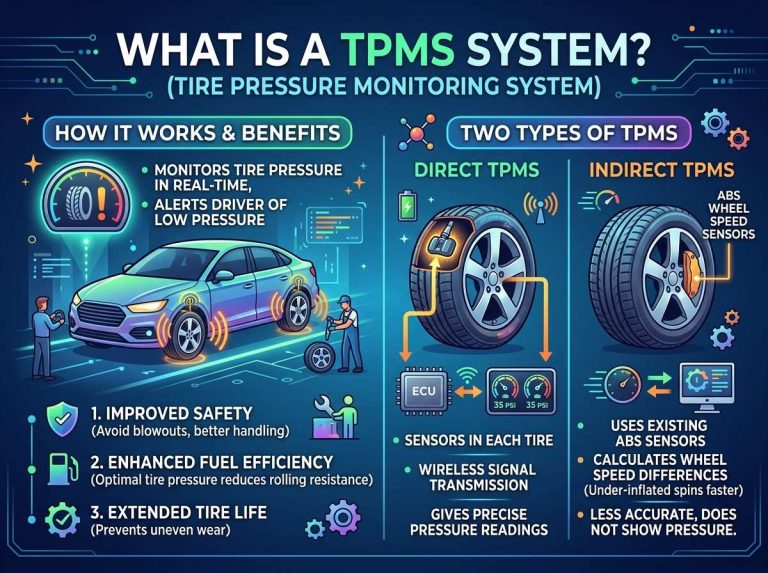
At its core, a Tire Pressure Monitoring System (TPMS) is an electronic safety feature designed to monitor the air pressure inside pneumatic tires on various types of vehicles. Its primary purpose is to warn the driver when tire pressure falls significantly below the recommended inflation level or, in some advanced systems, rises too high. This technology became standard in new vehicles in many regions, including the United States (mandated by the TREAD Act of 2000) and the European Union, due to its proven impact on road safety.
The system typically consists of sensors, either mounted inside the tire or integrated into the valve stem, which continuously measure the pressure. This data is then transmitted wirelessly to a central control unit in the vehicle. If a tire's pressure deviates beyond a pre-set threshold, an indicator light illuminates on the dashboard, often accompanied by an audible warning, alerting the driver to a potential issue.
Enhanced Safety on the Road
The most critical benefit of TPMS is its profound contribution to road safety. Correct tire pressure is fundamental to a vehicle's handling characteristics, braking performance, and overall stability.
Preventing Accidents
Underinflated tires are a leading cause of accidents. They cause the tire's sidewalls to flex excessively, generating heat, reducing grip, and making the vehicle harder to control. Overinflated tires, while less common for severe accidents, can lead to a reduced contact patch with the road, affecting braking distance and making the ride harsher. TPMS constantly monitors pressure, providing an early warning that allows drivers to address issues before they escalate into dangerous situations.
Reduced Tire Blowouts
One of the most terrifying scenarios on the road is a sudden tire blowout at speed. Underinflation significantly increases the risk of a blowout because the excessive flexing of the tire sidewalls generates extreme heat, weakening the tire's structure. TPMS acts as an early detection system, alerting you to low pressure that could lead to such a catastrophic failure, giving you time to pull over safely and inflate or replace the tire.
Improved Vehicle Control
Properly inflated tires maintain optimal contact with the road, which is crucial for responsive steering, effective braking, and stable cornering. When tires are underinflated, the vehicle's handling becomes sluggish, braking distances increase, and stability is compromised, especially during emergency maneuvers. TPMS helps ensure your tires are always at their optimal pressure, maintaining the vehicle's designed performance and control characteristics.
Greater Driving Confidence
Knowing that your tires are being continuously monitored provides a significant psychological benefit. Drivers can have greater confidence in their vehicle's safety and performance, especially on long journeys or in varying weather conditions, without the constant worry of an undetected tire issue.
Significant Fuel Economy Improvements
Beyond safety, TPMS plays a vital role in optimizing your vehicle's fuel efficiency, leading to tangible savings at the pump and a reduced environmental footprint.
The Hidden Cost of Underinflation
Underinflated tires increase rolling resistance – the force required to keep a tire moving. When a tire is soft, more of its surface area flexes and drags on the road, demanding more effort from the engine to maintain speed. This extra effort translates directly into increased fuel consumption. Studies have shown that for every 1 PSI drop in tire pressure, fuel efficiency can decrease by 0.2% to 0.3%. Over time, these small percentages add up to significant wasted fuel.
Maximizing MPG
By ensuring your tires are consistently at their manufacturer-recommended pressure, TPMS helps maintain optimal rolling resistance, allowing your engine to work more efficiently. This direct correlation means you'll get more miles per gallon, saving you money on fuel costs over the lifespan of your vehicle. For a typical driver, maintaining correct tire pressure can save hundreds of dollars annually in fuel expenses.
Environmental Impact
Reducing fuel consumption isn't just good for your wallet; it's also beneficial for the environment. Burning less fuel means fewer harmful emissions released into the atmosphere. By contributing to better fuel economy, TPMS indirectly supports efforts to reduce carbon footprints and improve air quality.
Extending Tire Lifespan and Reducing Costs
Tires are a significant investment, and proper maintenance, facilitated by TPMS, can substantially extend their lifespan, saving you money on premature replacements.
Even Tire Wear
Incorrect tire pressure leads to uneven wear patterns. Underinflated tires wear excessively on the outer edges (shoulders), while overinflated tires wear more rapidly in the center of the tread. This uneven wear shortens the tire's useful life and compromises its performance. TPMS helps maintain consistent, correct pressure across all tires, promoting even tread wear and maximizing their longevity.
Delaying Tire Replacement
When tires wear out unevenly or prematurely, they need to be replaced sooner. A set of quality tires can be expensive. By helping you maintain optimal pressure, TPMS directly contributes to extending the life of your tires, delaying the need for costly replacements and offering significant long-term savings.
Avoiding Costly Repairs
Beyond just replacement, severely underinflated tires can suffer internal damage that might not be immediately visible but can lead to structural failure. For instance, driving on a very low tire can damage its sidewall or even the wheel rim itself. TPMS alerts you to pressure drops early, allowing you to address the issue before it causes more extensive and expensive damage.
Real-time Monitoring and Convenience
One of the most appreciated aspects of TPMS is the sheer convenience and peace of mind it offers drivers in their daily lives.
Constant Vigilance
Gone are the days when you'd only check your tire pressure manually once a month, or worse, only when a tire looked visibly flat. TPMS provides continuous, real-time monitoring of your tire pressure while you drive. This constant vigilance means you're always aware of your tire health, without needing to remember manual checks.
Early Detection of Leaks
Small punctures or slow leaks can be notoriously hard to detect manually until the tire is dangerously low. TPMS excels at catching these gradual pressure drops. An early warning allows you to get the tire repaired or replaced before it becomes completely flat, potentially stranding you or causing further damage.
Dashboard Alerts
The visual and often audible alerts provided by TPMS are clear and unambiguous. A dedicated warning light on your dashboard immediately draws your attention to a problem, eliminating guesswork and prompting immediate action. Some advanced systems even display the individual pressure for each tire, allowing you to pinpoint the exact tire in question.
Peace of Mind
Knowing that a sophisticated system is constantly watching over your tires provides unparalleled peace of mind. It frees you from the worry of an unexpected flat or driving on unsafe tires, allowing you to focus more on the road and your journey.
Types of TPMS: Direct vs. Indirect
While all TPMS systems serve the same fundamental purpose, they achieve it through two distinct technologies: direct and indirect. Understanding the difference can help you appreciate the nuances of your vehicle's system.
Direct TPMS
Direct TPMS utilizes individual pressure sensors mounted inside each tire, usually attached to the valve stem. These sensors directly measure the air pressure and temperature within each tire and transmit this data wirelessly to the vehicle's central computer.
- Advantages:
- High Accuracy: Provides precise pressure readings for each individual tire.
- Real-time Data: Offers immediate warnings for pressure drops, even when the vehicle is stationary.
- Distinguishes Specific Tires: Many systems can display which specific tire has low pressure.
- Unaffected by Tire Rotation: Sensors remain with their respective tires.
- Disadvantages:
- More Complex: Sensors contain batteries (typically lasting 5-10 years) that eventually need replacement, often requiring professional service.
- Higher Cost: More expensive to install and maintain due to individual sensors.
- Sensor Damage Risk: Sensors can be damaged during tire mounting or dismounting.
Indirect TPMS
Indirect TPMS systems do not use physical pressure sensors inside the tires. Instead, they work in conjunction with the vehicle's Anti-lock Braking System (ABS) and wheel speed sensors. When a tire loses pressure, its circumference slightly decreases, causing it to rotate at a slightly different speed compared to the other tires. The ABS sensors detect this discrepancy, and the system interprets it as a low-pressure warning.
- Advantages:
- Simpler and Cheaper: No additional hardware inside the tires, making it less expensive to manufacture and maintain.
- No Battery Life Concerns: Relies on existing vehicle sensors.
- Easier Tire Service: No specific TPMS sensors to worry about during tire changes.
- Disadvantages:
- Less Accurate: Does not measure actual pressure; infers it from wheel speed.
- Slower Detection: May take longer to detect a pressure drop compared to direct systems.
- Requires Reset After Adjustments: Must be reset after tire rotation, inflation, or replacement to recalibrate.
- Cannot Identify Specific Tire: Typically provides a general warning without indicating which tire is low.
Common TPMS Mistakes to Avoid
While TPMS is a powerful tool, its effectiveness can be undermined by common misconceptions or neglect. Avoiding these mistakes ensures you get the most out of your system.
Ignoring the Warning Light
The most critical mistake is to dismiss or delay action when the TPMS warning light illuminates. This light is an urgent indicator of a potential safety issue. Always address it immediately by safely pulling over, checking your tires, and adding air or seeking professional help.
Incorrect Tire Pressure Adjustments
Even with TPMS, you still need to know your vehicle's recommended tire pressure, which is typically found on a sticker inside the driver's side door jamb or in your owner's manual. Do not inflate tires to the maximum pressure listed on the tire's sidewall, as this is the tire's maximum safe pressure, not the vehicle's recommended operating pressure.
Not Resetting TPMS
After adjusting tire pressure, rotating tires, or replacing a tire, many TPMS systems (especially indirect ones) require a manual reset. Failing to reset the system can lead to inaccurate readings or the light remaining on, falsely indicating a problem. Consult your owner's manual for specific reset procedures.
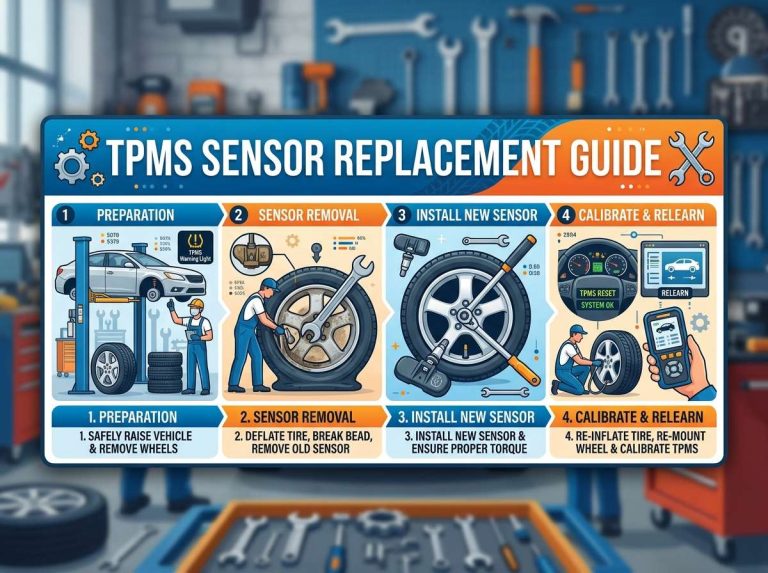
DIY Sensor Replacement (Direct TPMS)
Replacing a direct TPMS sensor is not a simple DIY task. It often requires specialized tools for removal and installation, and the new sensor typically needs to be programmed or "relearned" by the vehicle's computer system. Incorrect installation can lead to leaks or sensor malfunction.
Over-reliance on TPMS
While highly beneficial, TPMS is an aid, not a replacement for basic tire maintenance. You should still perform regular visual inspections of your tires for signs of damage, excessive wear, or embedded objects. A TPMS will only alert you to pressure issues, not physical damage.
Practical Tips for TPMS Maintenance
To ensure your Tire Pressure Monitoring System remains a reliable safety feature, a few maintenance best practices are advisable.
Regular Visual Inspections
Even with TPMS, make it a habit to visually inspect your tires before driving. Look for obvious signs of low pressure, cuts, bulges, or foreign objects. This quick check can sometimes spot issues before the TPMS light even comes on.
Understanding Your Vehicle's Recommended Pressure
Always know the specific tire pressure recommended by your vehicle manufacturer, which is usually found on a placard inside the driver's side door frame or in the owner's manual. This figure is crucial for optimal performance, safety, and fuel efficiency.
Professional Servicing
When a TPMS sensor battery dies (for direct systems), or if the system exhibits a persistent fault, it's best to seek professional servicing. Tire shops and dealerships have the specialized diagnostic tools and expertise to replace sensors, perform relearn procedures, and recalibrate the system correctly.
Battery Life Considerations (Direct TPMS)
Direct TPMS sensors have internal batteries that typically last 5-10 years. When a battery dies, the sensor stops transmitting data, and the TPMS warning light will likely illuminate. Be aware that replacing sensors due to battery depletion is a normal part of vehicle maintenance.
Frequently Asked Questions
Q1: Is TPMS mandatory in all vehicles?
A1: TPMS is mandatory in all new passenger vehicles sold in the United States since 2007 and in the European Union since 2014. Other regions may have similar mandates, but it's always best to check local regulations.
Q2: Can I drive with the TPMS light on?
A2: It is strongly advised not to drive with the TPMS light on for an extended period. The light indicates a significant pressure drop, which can compromise safety, handling, and fuel economy. Address the issue as soon as safely possible.
Q3: How often should I check my tire pressure manually if I have TPMS?
A3: While TPMS provides continuous monitoring, it's still good practice to manually check your tire pressure with a reliable gauge at least once a month, and especially before long trips. TPMS primarily warns of significant drops, and manual checks ensure optimal pressure for performance and longevity.
Q4: Can TPMS sensors be repaired?
A4: Generally, TPMS sensors are replaced, not repaired, if they are faulty or their internal battery dies. The valve stem portion might be replaceable if it's damaged, but the electronic sensor module usually requires full replacement.
Q5: What causes a TPMS light to come on besides low pressure?
A5: Besides low tire pressure, a TPMS light can illuminate due to a faulty sensor (dead battery, damage), a system malfunction, or if the system needs to be reset after tire rotation or replacement. A blinking TPMS light often indicates a system malfunction rather than just low pressure.
Q6: Does TPMS work with spare tires?
A6: Most vehicles with TPMS do not monitor the pressure of a temporary "donut" spare tire. If you have a full-size spare, it might or might not be monitored depending on the vehicle's specific system. Always check your owner's manual.
Final Verdict
The Tire Pressure Monitoring System (TPMS) has evolved from a luxury feature to an indispensable safety and efficiency component in modern vehicles. Its benefits extend far beyond merely indicating a low tire. By providing real-time data and alerts, TPMS fundamentally enhances road safety by mitigating the risks of blowouts and improving vehicle control. Simultaneously, it delivers substantial economic advantages through improved fuel economy and extended tire lifespan, saving drivers money and reducing environmental impact.
While it's crucial not to become overly reliant on TPMS to the exclusion of basic tire maintenance, its role as a vigilant guardian is undeniable. Whether you have a direct or indirect system, the peace of mind and the tangible benefits it offers make it one of the most valuable technologies in your vehicle. For any driver prioritizing safety, cost savings, and optimal vehicle performance, understanding and maintaining your TPMS is not just a recommendation—it's a necessity. It is truly a technology that pays for itself many times over, making every journey safer and more efficient.

Peterson is an automotive safety enthusiast and product reviewer with a passion for helping drivers stay safe on the road. He researches and tests dash cams, backup cameras, TPMS systems, emergency tools, GPS trackers, and other vehicle safety products to provide honest, practical recommendations. Through CarSafeties.com, Peterson shares in-depth reviews, buying guides, and maintenance tips to help drivers make smarter and safer decisions.