Tpms Relearn Procedure Explained
A blinking or steadily illuminated Tire Pressure Monitoring System (TPMS) light on your dashboard can be a source of frustration and concern. It signals an issue with your vehicle’s tire pressure system, and often, it’s not simply a matter of reinflating a tire. More frequently, especially after routine maintenance like tire rotation or sensor replacement, your car’s onboard computer needs to be taught to recognize the sensors again. This crucial process is known as a TPMS relearn procedure.
In this article
Understanding the TPMS relearn procedure is vital for maintaining your vehicle’s safety, optimizing tire life, and ensuring fuel efficiency. This article will demystify the process, explaining what a TPMS relearn entails, why it’s necessary, the different types of procedures, and how you can approach it, whether you’re a DIY enthusiast or prefer professional assistance. By the end, you’ll have a clear roadmap to address that pesky TPMS light with confidence.
Understanding TPMS and Its Importance
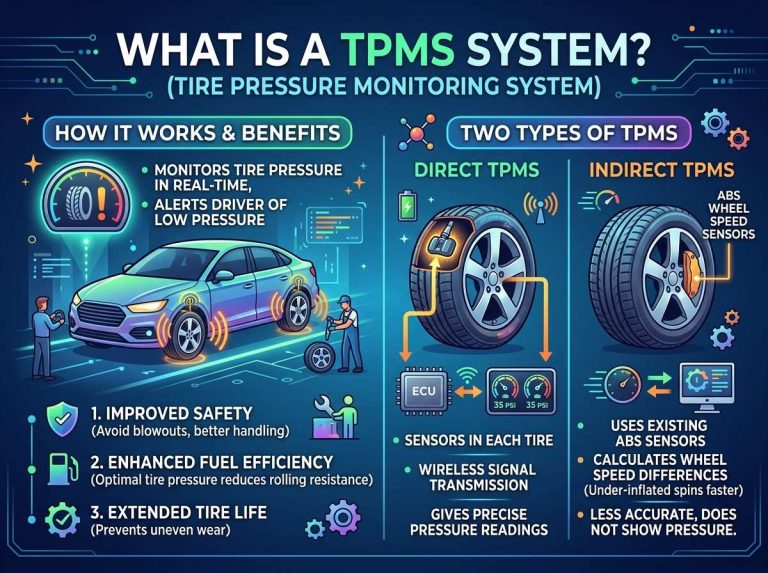
The Tire Pressure Monitoring System (TPMS) is a vital safety feature in modern vehicles, mandated in many countries to prevent accidents caused by underinflated tires. Its primary role is to monitor the air pressure inside your tires and alert you if the pressure drops below a safe level, or in some cases, if it becomes too high.
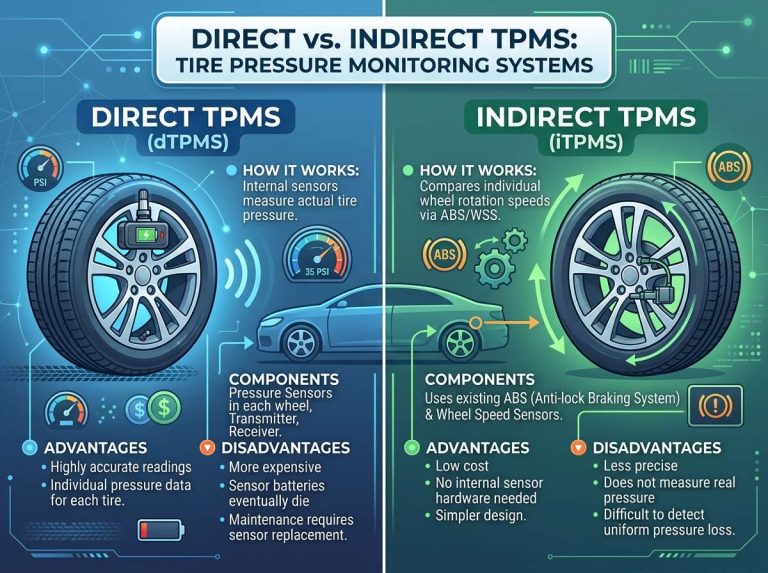
There are two main types of TPMS:
- Direct TPMS: This system uses individual pressure sensors mounted inside each tire. These sensors wirelessly transmit pressure data to the vehicle’s onboard computer. This is the more common and generally more accurate system, directly measuring tire pressure.
- Indirect TPMS: This system works in conjunction with your vehicle’s Anti-lock Braking System (ABS) wheel speed sensors. It monitors the rotational speed of each wheel. If a tire is underinflated, its diameter decreases, causing it to spin faster than the other tires. The system then infers a pressure drop and triggers a warning.
A properly functioning TPMS is crucial for several reasons:
- Safety: Underinflated tires can lead to tire blowouts, reduced braking performance, and poor vehicle handling, significantly increasing the risk of accidents. TPMS provides an early warning, allowing you to address the issue before it becomes critical.
- Fuel Efficiency: Correctly inflated tires reduce rolling resistance, meaning your engine doesn’t have to work as hard, leading to better fuel economy.
- Tire Longevity: Maintaining proper tire pressure prevents uneven wear, extending the lifespan of your tires and saving you money on replacements.
When is a TPMS Relearn Procedure Necessary?
A TPMS relearn procedure isn’t just for when a new sensor is installed. There are several common scenarios where your vehicle’s computer needs to be reintroduced to its tire pressure sensors.
- Replacing a TPMS Sensor: This is the most obvious scenario. If a sensor fails (due to a dead battery, physical damage, or corrosion), a new one needs to be installed. The vehicle’s system won’t automatically recognize the new sensor’s unique ID code.
- Tire Rotation: When you rotate your tires, the sensors move to different wheel positions. Since the vehicle’s computer often expects specific sensor IDs at specific locations (front left, rear right, etc.), a relearn is necessary to update these positions. Without it, the system might report an issue in the wrong location or refuse to clear the warning light.
- Replacing Tires or Wheels: Even if you’re keeping the old sensors, removing and reinstalling tires on new rims, or simply getting new tires, can sometimes necessitate a relearn. The process of breaking the tire bead can sometimes temporarily disrupt sensor communication or require the system to re-establish connections.
- Replacing the TPMS Module: If the central control module for the TPMS system fails and is replaced, it will need to learn all the existing sensor IDs from scratch.
- Vehicle Battery Disconnection: In some vehicles, disconnecting the main vehicle battery can clear the TPMS module’s memory, requiring a relearn once power is restored. This is less common in newer vehicles but can happen.
- Seasonal Tire Swaps: If you swap between summer and winter tires, each set potentially having its own TPMS sensors, a relearn will be required each time you change them.
The Three Main Types of TPMS Relearn Procedures
While the goal is always the same – to register or re-register TPMS sensor IDs with the vehicle’s computer – the methods to achieve this vary significantly by vehicle make and model. Generally, there are three primary types of TPMS relearn procedures.
Auto Relearn (Drive Relearn)
The auto relearn procedure is the simplest for the owner, as it typically doesn’t require any special tools or manual input beyond driving the vehicle.
- Explanation: With this method, the vehicle’s TPMS module is designed to automatically detect and register new or repositioned sensor IDs simply by driving under specific conditions. It “listens” for sensor signals and, over time, learns which sensor is at which wheel position.
- How it Works: After a sensor change or tire rotation, you typically need to drive the vehicle for a certain duration (e.g., 10-20 minutes) at a specific speed (e.g., above 20-25 mph). The system uses the wheel speed sensors to determine the location of each TPMS sensor.
- Pros: No special tools or complex steps are needed by the user. It’s convenient if your vehicle supports it.
- Cons: Can be time-consuming, requiring specific driving conditions that might not always be practical. If the conditions aren’t met, the relearn won’t complete.
- Examples: Many Honda, Toyota, and Nissan models utilize some form of auto relearn, though the exact driving requirements can vary.
Manual Relearn (Stationary Relearn)
The manual relearn procedure involves a specific sequence of actions performed by the driver, often using the vehicle’s ignition, hazard lights, or other dashboard controls.
- Explanation: This method requires the user to follow a precise set of instructions, often found in the vehicle’s owner’s manual, to put the TPMS module into “learn mode.” Once in learn mode, the system expects to receive signals from the sensors, usually triggered by changes in tire pressure.
- How it Works: A common manual relearn sequence might involve:
- Inflating all tires to the recommended pressure.
- Turning the ignition on and off several times.
- Pressing and holding a specific button (e.g., hazard light button, TPMS reset button) for a set duration.
- Deflating and reinflating each tire in a specific order (e.g., front left, front right, rear right, rear left) to trigger the sensor to transmit its ID. The vehicle might give an audible confirmation (like a horn chirp) for each sensor learned.
- Pros: Does not require specialized diagnostic tools. Can be performed by the owner.
- Cons: The sequence can be very specific and challenging to remember or execute correctly. Incorrect steps can lead to failure. It’s often vehicle-specific, so what works for one model won’t work for another.
- Examples: Many older GM vehicles (Chevrolet, GMC, Buick) and some Ford models commonly use a manual relearn procedure involving tire deflation/inflation.
OBD-II Relearn (Diagnostic Tool Relearn)
The OBD-II relearn procedure is the most comprehensive and often required for vehicles where auto or manual relearn isn’t sufficient or available. It necessitates a specialized TPMS diagnostic scan tool.
- Explanation: This method involves connecting a dedicated TPMS scan tool or an advanced OBD-II scanner to the vehicle’s On-Board Diagnostics (OBD-II) port. The tool then communicates directly with the vehicle’s TPMS module to program or “relearn” the sensor IDs.
- How it Works:
- The technician uses the tool to “wake up” or activate each TPMS sensor, reading its unique ID.
- The tool is then connected to the vehicle’s OBD-II port.
- Following the tool’s prompts, the technician uploads the collected sensor IDs directly into the vehicle’s TPMS module. This tells the vehicle exactly which sensor is where.
- Some vehicles may also require the tool to put the vehicle into a “learn mode” before the sensor IDs can be transmitted.
- Pros: Most reliable and often the only method for certain vehicles, especially when installing brand-new, unprogrammed sensors. Provides precise control and immediate feedback.
- Cons: Requires specialized and often expensive equipment, making it less accessible for the average DIYer. You’ll likely need to visit a dealership or an automotive service center.
- Examples: Many Chrysler, Dodge, Jeep, Ram, Volkswagen, and some European luxury brands frequently require an OBD-II relearn for sensor replacement or tire rotation.
Step-by-Step Guide: How to Perform a TPMS Relearn (General Advice)
It’s crucial to remember that TPMS relearn procedures are highly vehicle-specific. Always consult your vehicle’s owner’s manual for the exact steps. The following is a general guide to prepare you for the process.
Pre-Relearn Checks
Before attempting any relearn procedure, ensure these steps are completed:
- Correct Tire Pressure: Inflate all four tires (and the spare, if it has a TPMS sensor) to the vehicle manufacturer’s recommended cold tire inflation pressure. This information is typically found on a sticker inside the driver’s door jamb, in the owner’s manual, or sometimes on the fuel filler flap.
- Inspect Sensors: If you’ve just installed new sensors, ensure they are correctly seated and not damaged.
- Vehicle Parked: Ensure the vehicle is parked on a level surface, with the parking brake engaged.
- No Other Warning Lights: Address any other warning lights (e.g., “Check Engine” light) before attempting a TPMS relearn, as they might interfere.
General Steps for Each Type
For Auto Relearn (Drive Relearn):
- Ensure all tires are at the correct pressure.
- Start the vehicle. The TPMS warning light might be on or blinking.
- Drive the vehicle at speeds generally above 20-25 mph for 10-20 minutes. Avoid sudden stops or accelerations if possible.
- The system should automatically detect the sensors and the light should extinguish. If it doesn’t, try driving for a longer period or consult your manual for specific speed and duration requirements.
For Manual Relearn (Stationary Relearn):
- Inflate all tires to the specified pressure.
- Refer to your owner’s manual for the exact sequence. This might involve:
- Turning the ignition ON, then OFF, a specific number of times.
- Pressing and holding a TPMS reset button (often located under the dash, in the glove box, or on the steering wheel) until the horn chirps or the TPMS light flashes.
- Once in “learn mode,” you might need to deflate each tire by a certain amount (e.g., 10 PSI) and then reinflate it, starting with the front left, then front right, rear right, and finally rear left. The vehicle will typically confirm each sensor with a horn chirp or light flash.
- After all sensors are learned, turn the ignition off and then on again. The TPMS light should be off.
For OBD-II Relearn (Diagnostic Tool Relearn):
- Ensure all tires are at the correct pressure.
- Connect a compatible TPMS scan tool or advanced OBD-II scanner to the vehicle’s OBD-II port (usually located under the dashboard on the driver’s side).
- Follow the instructions on the scan tool. This generally involves:
- Selecting the correct vehicle make, model, and year.
- Choosing the “TPMS Relearn” or “Sensor Registration” function.
- The tool might prompt you to activate each sensor individually using a handheld TPMS activation tool, starting with the front left, then front right, rear right, and rear left.
- Once all sensor IDs are read, the tool will upload them to the vehicle’s TPMS module.
- Once the procedure is complete, the tool will confirm success, and the TPMS light should turn off.
Essential Tools for TPMS Relearn
Depending on your vehicle and the relearn method required, you might need a few tools:
- Tire Pressure Gauge: Absolutely essential for ensuring all tires are at the correct pressure before starting any procedure.
- Owner’s Manual: Your most valuable resource. It contains the exact, vehicle-specific instructions for manual or auto relearn procedures.
- TPMS Diagnostic Scan Tool / Activation Tool (for OBD-II and some manual relearns): If your vehicle requires an OBD-II relearn, or if a manual relearn involves “waking up” sensors, you’ll need this specialized equipment. These tools can range from basic sensor activators to advanced scanners that can read sensor IDs, diagnose TPMS issues, and program new sensors.
- Basic TPMS Activator: Often used in conjunction with manual relearns for GM vehicles to trigger sensors.
- Advanced TPMS Scan Tool: Essential for OBD-II relearns, capable of reading sensor IDs, diagnosing module issues, and programming new sensors.
Common Challenges and Troubleshooting Tips
Even with the right procedure, you might encounter issues. Here are some common problems and troubleshooting tips:
- TPMS Light Stays On After Relearn:
- Incorrect Tire Pressure: Double-check all tire pressures with a reliable gauge. Even a slight discrepancy can prevent the light from turning off.
- Incomplete Procedure: Ensure you followed every step of the relearn procedure exactly as outlined in your manual or by the diagnostic tool.
- Faulty Sensor: One of your sensors might be dead, damaged, or have a weak battery. A diagnostic tool can usually pinpoint which sensor is at fault.
- TPMS Module Issue: Less common, but the TPMS control module itself could be faulty. This typically requires professional diagnosis.
- Incorrect Sensor Type: If new sensors were installed, ensure they are the correct frequency and type for your specific vehicle.
- Sensor Not Recognized:
- Interference: Sometimes, nearby electronic devices or even other vehicles with TPMS can cause temporary interference. Try performing the relearn in a different location.
- Sensor Battery Dead: Even new sensors can sometimes have issues. An activation tool can check if a sensor is transmitting.
- Incorrect Installation: Ensure the sensor is properly installed inside the tire.
- Relearn Procedure Fails Repeatedly:
- Consult a Professional: If you’ve tried all troubleshooting steps and the light remains, it’s best to take your vehicle to a qualified mechanic or dealership. They have advanced diagnostic tools and expertise to identify underlying issues.
- Software Updates: Sometimes, the vehicle’s TPMS module might require a software update from the manufacturer.
Benefits of a Properly Functioning TPMS
Beyond simply turning off a dashboard light, ensuring your TPMS is working correctly offers significant advantages:
- Enhanced Safety: The most critical benefit. TPMS alerts you to low tire pressure, preventing catastrophic tire failures like blowouts, which can lead to loss of vehicle control and serious accidents. It ensures optimal tire contact with the road, improving handling and braking performance.
- Improved Fuel Economy: Underinflated tires increase rolling resistance, forcing your engine to work harder and consume more fuel. A properly functioning TPMS helps you maintain optimal tire pressure, directly contributing to better gas mileage and lower fuel costs.
- Extended Tire Life: Correctly inflated tires wear evenly across their tread. Underinflation leads to excessive wear on the outer edges, while overinflation causes wear in the center. TPMS helps you prolong the life of your expensive tires, delaying replacement costs.
- Environmental Impact: Better fuel efficiency means fewer emissions, reducing your vehicle’s carbon footprint.
- Compliance with Regulations: In many regions, TPMS is a mandated safety feature. Keeping it operational ensures your vehicle meets these regulatory requirements.
Mistakes to Avoid During TPMS Relearn
To ensure a successful and hassle-free TPMS relearn, be mindful of these common pitfalls:
- Ignoring the Owner’s Manual: This is the most crucial piece of advice. Every vehicle is different. Relying on generic advice when your manual has specific instructions is a recipe for frustration.
- Using Incorrect Tire Pressures: The relearn procedure often depends on the tires being at their recommended cold inflation pressure. Guessing or using arbitrary pressures will likely cause failure.
- Not Completing the Full Procedure: Some manual relearns require a precise sequence of steps. Missing a step or not allowing enough time for the system to respond can invalidate the entire process.
- Assuming All Sensors are Compatible: If replacing sensors, ensure they are the correct frequency (e.g., 315 MHz or 433 MHz) and protocol for your specific vehicle make and model. Universal sensors often require programming before installation.
- Ignoring the TPMS Light: A persistent TPMS light means there’s an issue. Ignoring it is a safety hazard and can lead to more significant problems down the line.
- Confusing Reset with Relearn: While some vehicles have a simple “reset” button that might temporarily turn off the light if pressure is corrected, a true “relearn” is required after sensor changes or rotations to register sensor IDs. A reset only clears the current warning, it doesn’t teach the system new sensor positions.
Frequently Asked Questions
Q1: How long does a TPMS relearn take?
A1: The time varies significantly. An auto relearn can take 10-20 minutes of driving. A manual relearn might take 5-15 minutes of following specific steps. An OBD-II relearn with a diagnostic tool typically takes 5-10 minutes once the tool is connected and sensor IDs are read.
Q2: Can I reset the TPMS light without a relearn?
A2: If the TPMS light is on due to low tire pressure and you reinflate the tires to the correct pressure, the light might turn off on its own after a few minutes of driving. Some vehicles also have a “TPMS reset” button that clears the current warning. However, if a sensor was replaced or tires rotated, a proper relearn procedure is usually necessary to register the new sensor ID or position, as a simple reset won’t teach the system the new configuration.
Q3: Do all cars require a TPMS relearn after tire rotation?
A3: No, not all cars. Vehicles with an indirect TPMS (which uses ABS sensors) typically do not require a relearn after tire rotation, as they don’t track individual sensor positions. Some direct TPMS systems also feature an advanced “auto-learn” function that quickly adapts to new positions. However, many direct TPMS systems do require a relearn to correctly identify the new location of each sensor. Always check your vehicle’s owner’s manual.
Q4: What if my TPMS light comes on right after a relearn?
A4: If the light reappears immediately after a relearn, it suggests the procedure wasn’t successful, or there’s an underlying issue. Double-check all tire pressures, ensure the relearn steps were followed precisely, and verify that all sensors are functional. It could also indicate a faulty sensor, a problem with the TPMS module, or that the incorrect sensor type was installed.
Q5: Can I drive with the TPMS light on?
A5: While you can drive with the TPMS light on, it’s highly recommended against it. A steadily illuminated light indicates that at least one tire is significantly underinflated, which is a safety hazard. A blinking light usually signifies a system malfunction or a dead sensor battery. Driving with underinflated tires compromises handling, braking, and fuel efficiency, and increases the risk of a blowout. Address the issue as soon as possible.
Q6: Is a TPMS relearn the same as a TPMS reset?
A6: No, they are distinct, though often confused. A TPMS reset typically just clears the current warning if the tire pressure issue has been resolved (e.g., you reinflated a low tire). It doesn’t teach the system new sensor IDs or positions. A TPMS relearn is a more involved procedure that registers the unique ID codes of each TPMS sensor with the vehicle’s computer, often required after sensor replacement, tire rotation, or installing new tires.
Final Verdict
The TPMS relearn procedure is an essential aspect of modern vehicle maintenance, crucial for ensuring the continued accuracy and functionality of your Tire Pressure Monitoring System. Far from being a mere inconvenience, understanding and correctly performing a relearn after tire rotations, sensor replacements, or other related services directly contributes to your safety on the road, improves fuel economy, and extends the lifespan of your tires.
While some vehicles offer straightforward auto-relearn or manual procedures, others demand specialized diagnostic tools. Always prioritize consulting your vehicle’s owner’s manual for precise, model-specific instructions. If you find yourself struggling with a persistent TPMS light or are unsure about the procedure, don’t hesitate to seek professional assistance. Investing a little time or money in a proper TPMS relearn ensures that your vehicle’s vital safety system is always working as intended, providing you with peace of mind and confidence behind the wheel.

Peterson is an automotive safety enthusiast and product reviewer with a passion for helping drivers stay safe on the road. He researches and tests dash cams, backup cameras, TPMS systems, emergency tools, GPS trackers, and other vehicle safety products to provide honest, practical recommendations. Through CarSafeties.com, Peterson shares in-depth reviews, buying guides, and maintenance tips to help drivers make smarter and safer decisions.