Backup Camera Vs Rearview Mirror Camera
A backup camera and a rearview mirror camera both help drivers see behind a vehicle. Both can make reversing and parking easier, but they work differently and suit different drivers.
This article explains what each option is, how the systems work, and where they differ. It also covers pros and cons, basic safety habits, and how to pick the right fit.
Key Takeaways
- A backup camera sends a rear view to a separate screen, usually on the dashboard or in the infotainment display.
- A rearview mirror camera replaces or sits behind a mirror, showing the rear view on a display that looks like a mirror.
- Installation effort, cost and screen size often differ between the two options.
- Both types help with reversing, but neither removes the need to check mirrors and look over your shoulder.
- The right choice depends on your vehicle, your budget and how you usually drive.
What Is a Backup Camera?
A backup camera is a small camera mounted at the back of a vehicle. It films the area behind the car and sends that video to a screen inside the cabin. Most drivers see the image when they shift into reverse.
The camera often sits in a license plate frame, a trunk handle or the bumper area. It shows the space the driver cannot easily see from the front seat.
Where the Camera Sits on the Vehicle
Placement sets the view the driver gets. Most backup cameras sit high and centered at the rear, capturing the ground directly behind the bumper and the area a little further out.
Position affects how much of the bumper and ground appears on screen, so a well-placed camera is easier to read at a glance.
What the Driver Sees on the Screen
The screen usually shows a live video feed when the car is in reverse. Many displays add guide lines that suggest the path of the rear wheels as the steering wheel turns.
Some screens are part of the factory infotainment system. Others are standalone monitors added later. Either way, the driver looks to the dashboard or center console to see the image.
What Is a Rearview Mirror Camera?
A rearview mirror camera combines a camera system with a mirror-style display. The driver looks up at the mirror as usual and sees a rear view from the camera. Some units switch between a normal reflection and a camera image.
This option suits drivers who want the view to stay near their normal line of sight. It also keeps the dashboard uncluttered in many setups.
How a Camera Mirror Differs From a Standard Mirror
A standard mirror reflects light from the scene behind the vehicle. A camera mirror shows a video image from a rear lens on a screen inside the mirror housing.
The electronic image can sometimes be brighter or wider than a normal reflection. Results depend on the camera and screen quality, so they vary between products.
How the Image Appears to the Driver
The driver sees a rear image within the mirror frame, often wider than a standard mirror’s view. Some systems switch back to a regular reflection when the camera is off.
The image may look slightly different in color or depth from a true mirror. Most drivers adjust to it with a little practice.
How Backup Cameras and Rearview Mirror Cameras Work
Both systems share the same basic idea. A camera captures video behind the vehicle and sends it to a display. The main differences lie in how they are powered, wired and tuned.
Power Sources and Wiring Basics
Most backup cameras draw power from the vehicle’s electrical system. A common setup connects the camera to the reverse light circuit, so it turns on when the car shifts into reverse. This wiring is often run through the trunk or rear hatch area.
A rearview mirror camera usually needs a steady power feed and a signal wire. Because the mirror sits inside the cabin, cable routing can be more involved.
Image Quality, Angle and Field of View
Image quality depends on the lens, the sensor and the screen. A wider lens shows more of each side but can make objects look smaller or curved. A narrower lens shows less width while keeping the image closer to real size.
The viewing angle, or field of view, is set during installation. Adjusting the camera tilt changes how much ground appears on screen, and good alignment helps the driver judge distance.
Backup Camera vs Rearview Mirror Camera: Key Differences
The two systems share a purpose but differ in practical ways. Screen location, installation and performance in poor conditions stand out most. Comparing them side by side shows which trade-offs matter to you.
Screen Size and Display Type
A backup camera screen is often larger than the image area in a mirror. Dashboard screens can be wide and easy to read. A mirror display is smaller but sits close to the driver’s natural line of sight.
Some drivers prefer a bigger picture for close maneuvers. Others prefer a compact view where a normal mirror would be. Either works if the image is clear.
Installation Effort and Cost
A basic backup camera is often easier to add. The camera mounts at the rear and the screen sits on the dash. A rearview mirror camera usually requires replacing the existing mirror and running wires through the cabin.
Costs vary by brand, vehicle and if professional installation is needed. Compare current listings rather than relying on general estimates.
Glare, Night Vision and Weather Performance
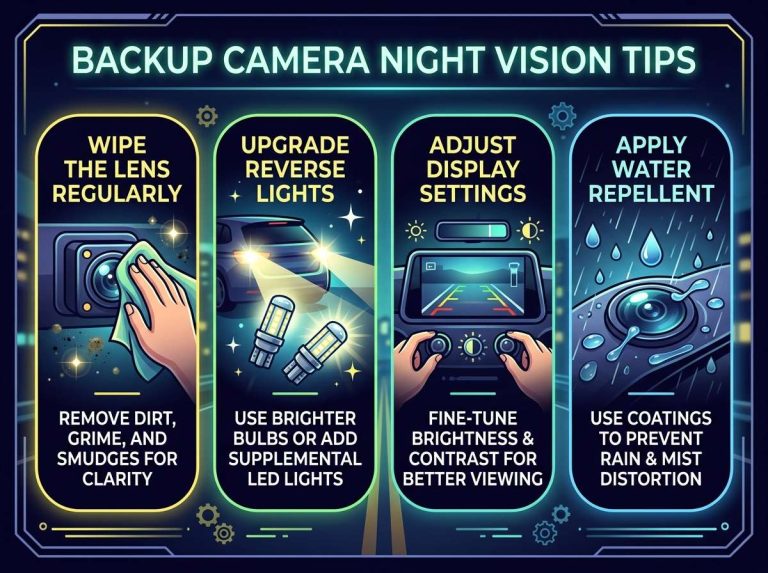
Both systems can struggle in heavy rain, snow or dirt on the lens. Night performance depends on the camera’s low-light ability and any built-in lighting. Strong sunlight or headlights from following cars can wash out the image.
A standard mirror reflects glare directly, and many models have a night setting to dim it. A camera mirror handles glare differently, so its performance depends on the sensor. Neither option works perfectly in every condition.
Pros and Cons of Each Option
Each system has clear strengths and limits. The points below describe common features rather than guaranteed results.
Advantages of a Backup Camera
- Installation is often simpler on many vehicles.
- The screen can be larger and easier to see at a glance.
- The existing rearview mirror stays in place.
- Guide lines can help with parking and tight spaces.
Advantages of a Rearview Mirror Camera
- The image sits near the driver’s normal line of sight.
- The dashboard can stay uncluttered.
- The view can be wider than a standard mirror in many models.
- It can serve as both a mirror and a camera display.
Common Drawbacks to Consider
Backup cameras need a separate screen, which can take up dashboard space. Mirror systems can be harder to install and may cost more. Both depend on a clean lens and working electronics, so regular checks matter.
Neither option replaces checking mirrors or looking over your shoulder. Blind spots still exist, and cameras can fail without warning.
Which One Fits Your Vehicle and Driving Needs?</h2 Which One Fits Your Vehicle and Driving Needs?
The better choice depends on the vehicle and how it is used. A driver who mostly parks in tight city spaces may value a large, clear screen. A driver who wants the view to stay near the mirror may prefer a camera mirror.
Start by checking what the vehicle already has. Some newer cars include a factory backup camera and screen. In that case, a separate aftermarket setup may not be needed.
Matching the Choice to Your Daily Driving
Think about the places you drive most often. Frequent parking in busy lots points toward a backup camera with clear guide lines. Regular highway driving with occasional reversing may make a mirror system feel more natural.
Also consider who else drives the vehicle. A simple, familiar setup is often easier for multiple drivers to use.
Compatibility With Your Existing Setup
Check if the vehicle has a factory display that can accept a camera input. Some vehicles support this, while others do not. Compatibility depends on the make, model and trim, so the vehicle’s manual or a qualified installer can confirm the details.
Because of this, it is wise to confirm compatibility before buying a kit. Returns can be difficult once wiring has started.
Basic Tips for Using Either Camera Safely
A rear camera is a helpful tool, but it works best with good habits. Simple checks before and during driving keep the system reliable. These tips apply to both types.
Checking the Camera Before Each Trip
- Shift into reverse and confirm the image appears on the screen.
- Check that the picture is clear and not frozen or flickering.
- Look for any warning messages on the dashboard display.
- Still turn your head and check mirrors before moving.
Keeping the Lens Clean and Aligned
Mud, snow, salt and water spots can block the lens and reduce clarity. Wipe the lens gently with a soft cloth when it looks dirty. Avoid harsh cleaners that can scratch the glass.
Alignment also matters. If the camera has shifted after a bump or a car wash, the view may no longer match the guide lines. Adjusting the camera angle can restore accuracy.
Common Questions About Rear Cameras and Mirrors
Beginners often have follow-up questions after learning the basics. The two topics below cover the most common ones. They help set realistic expectations before a purchase.
Do Rear Cameras Replace Checking Mirrors and Looking Over Your Shoulder?
No, they do not. A camera shows only the area its lens can capture, and blind spots still exist. Mirror checks and shoulder checks remain essential habits.
Cameras work best as a helpful addition. They support safe driving but do not replace attention.
Can You Add Either Option to an Older Vehicle?
Many older vehicles can accept an aftermarket backup camera. Mounting the camera and running a power feed is often the main task. Results depend on the vehicle’s electrical layout and available space.
A camera mirror can also be added in many cases, though the work is usually more involved. A qualified installer can judge if the vehicle is a good fit.
Frequently Asked Questions
What is the main difference between a backup camera and a rearview mirror camera?
A backup camera sends its image to a separate screen, usually on the dashboard. A rearview mirror camera shows the image inside a mirror-style display. The main difference is where the driver looks to see the view.
Is a rearview mirror camera better than a backup camera?
Neither option is better in every case. A rearview mirror camera keeps the view near the normal line of sight. A backup camera is often simpler to install and offers a larger screen.
Do backup cameras work at night?
Many backup cameras show an image in low light, but performance depends on the sensor and any built-in lighting. Image quality may drop compared with daylight. Drivers should not rely on the image alone in very dark conditions.
Can I install a backup camera or rearview mirror camera myself?
Some drivers install a basic backup camera themselves, especially when the kit includes clear instructions. A rearview mirror camera usually involves more wiring and is often handled by a professional. Installation skill and comfort with car electronics both affect the decision.
Are these cameras required by law?
Rules about rear cameras vary by country and region, and they can change over time. Drivers should check the rules that apply where they live and where their vehicle is registered. A local transport authority or the vehicle manual can provide current guidance.
Conclusion: Backup Camera vs Rearview Mirror Camera in Brief
A backup camera and a rearview mirror camera both show the area behind a vehicle. The backup camera uses a separate screen and is often easier to install. The rearview mirror camera keeps the view near the normal line of sight and can keep the dashboard tidy.
The right choice depends on the vehicle, the budget and daily driving habits. Either option works best with clean lenses, regular checks and continued use of mirrors and shoulder checks.

Peterson is an automotive safety enthusiast and product reviewer with a passion for helping drivers stay safe on the road. He researches and tests dash cams, backup cameras, TPMS systems, emergency tools, GPS trackers, and other vehicle safety products to provide honest, practical recommendations. Through CarSafeties.com, Peterson shares in-depth reviews, buying guides, and maintenance tips to help drivers make smarter and safer decisions.