How Often Should Tpms Sensors Be Replaced
Your vehicle's Tire Pressure Monitoring System (TPMS) is a silent guardian, constantly working to ensure your safety and optimize your driving experience. These clever sensors, nestled within your tires, alert you to underinflation, a common cause of accidents, premature tire wear, and reduced fuel efficiency.
In this article
However, like all automotive components, TPMS sensors aren't designed to last forever. Many drivers find themselves scratching their heads when the TPMS warning light flickers on, unsure if it's a simple tire pressure issue or a sign that the sensors themselves need attention. Understanding the lifespan of these vital components and recognizing the signs of their impending retirement is crucial for maintaining your vehicle's integrity and your peace of mind on the road.
This article will demystify the world of TPMS sensors, guiding you through their typical lifespan, key indicators for replacement, the replacement process, and practical advice to help you make informed decisions about their maintenance. By the end, you'll know exactly how often you should consider replacing your TPMS sensors and why it matters.
Understanding TPMS Sensors and Their Importance
Before diving into replacement schedules, it's essential to grasp what TPMS sensors are and why they're so critical. Mandated in the U.S. for all passenger vehicles manufactured after September 1, 2007, the Tire Pressure Monitoring System is a safety feature designed to warn drivers when a tire is significantly underinflated.
There are two primary types of TPMS:
- Direct TPMS: This system uses individual sensors mounted inside each tire (often integrated with the valve stem) that directly measure tire pressure and temperature. They transmit this data wirelessly to the vehicle's onboard computer. If pressure drops below a safe threshold, a warning light illuminates on your dashboard. These are the sensors we're primarily discussing when talking about replacement frequency.
- Indirect TPMS: This system works with your vehicle's Anti-lock Braking System (ABS) wheel speed sensors. When a tire loses air, its rolling radius changes, causing it to spin at a different rate than the other tires. The ABS system detects this difference and triggers a warning. Indirect systems do not use physical sensors inside the tires and therefore don't require sensor replacement.
The importance of a properly functioning TPMS cannot be overstated:
- Enhanced Safety: Underinflated tires can lead to blowouts, reduced braking performance, and compromised vehicle handling, increasing the risk of accidents. TPMS provides an early warning, allowing you to address the issue before it becomes critical.
- Improved Fuel Economy: Properly inflated tires reduce rolling resistance, meaning your engine doesn't have to work as hard, leading to better gas mileage.
- Extended Tire Lifespan: Underinflation causes uneven tire wear, significantly shortening the life of your tires. TPMS helps ensure even wear by maintaining correct pressure.
- Environmental Benefit: Better fuel economy and longer-lasting tires reduce your carbon footprint.
Factors Influencing TPMS Sensor Lifespan
While TPMS sensors are robust, several factors contribute to their eventual failure and dictate how often they might need replacement:
Battery Life
This is by far the most significant factor. Each direct TPMS sensor contains a small, non-rechargeable lithium-ion battery that powers its pressure-sensing and transmitting capabilities. These batteries are sealed within the sensor and cannot be replaced independently. Once the battery dies, the entire sensor must be replaced.
Environmental Exposure
Sensors are constantly exposed to varying conditions inside your tires. Extreme temperatures (both hot and cold), moisture, and road salt can accelerate the degradation of the sensor's internal components and external casing, potentially shortening its life.
Corrosion and Physical Damage
The valve stem portion of the sensor can be susceptible to corrosion, especially in regions that use road salt or if dissimilar metals are used in the valve stem construction. Additionally, improper tire mounting or dismounting procedures can physically damage the sensor, leading to premature failure.
Driving Habits
While less direct, aggressive driving or frequent high-speed driving might put more stress on the sensors due to increased tire flex and temperature fluctuations, though this effect is generally minor compared to battery life.
Typical Lifespan of TPMS Sensors
Given the critical role of the internal battery, the lifespan of most direct TPMS sensors typically ranges from 5 to 10 years.
- Average Expectation: Most drivers can expect their TPMS sensors to last roughly 7 years.
- Variability: This range accounts for differences in battery quality, vehicle usage (a car driven daily will deplete its sensor batteries faster than one driven occasionally), and environmental factors.
- Comparison to Tires: Interestingly, TPMS sensors often outlive a set of tires, which typically last 3-6 years depending on mileage and driving conditions. This means you might go through one or even two sets of tires before your original TPMS sensors require replacement. However, it's common for sensors to fail around the time you're due for a new set of tires, making it an opportune moment for replacement.
It's important to remember that this is an average. Some sensors may fail sooner, while others might exceed the 10-year mark. The key is to be aware of the signs that indicate a sensor is failing.
Signs It's Time to Replace Your TPMS Sensors
Your vehicle is usually pretty good at telling you when something's wrong. For TPMS sensors, there are distinct indicators that signal it's time for replacement.
The TPMS Warning Light on Your Dashboard
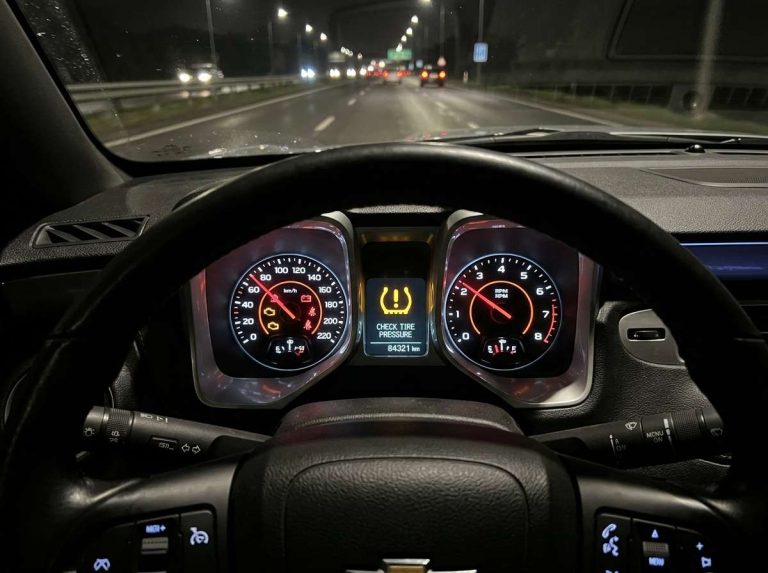
This is the most obvious and common sign. The TPMS indicator light is usually an amber or yellow symbol resembling a cross-section of a tire with an exclamation point inside.
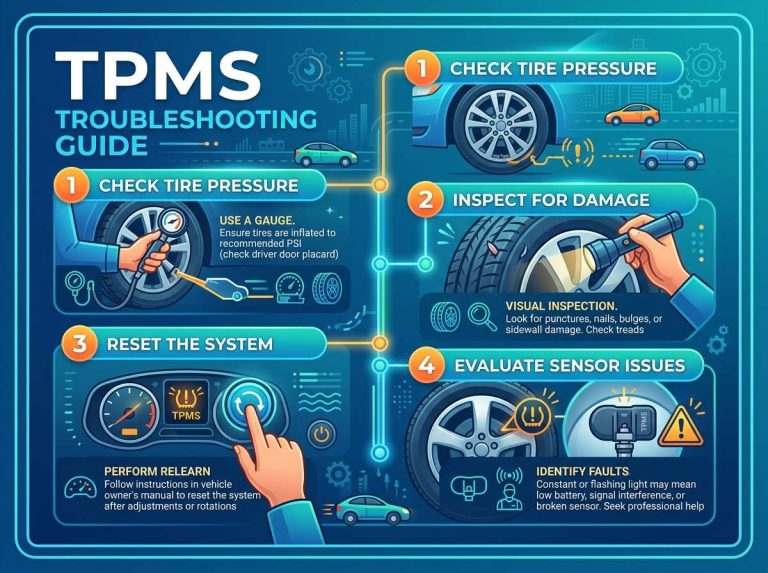
- Solid Light: A solid TPMS warning light typically indicates that one or more of your tires are significantly underinflated (usually 25% below the manufacturer's recommended pressure). In this scenario, the sensors themselves are likely working correctly, just reporting low pressure. Your first step should always be to check and adjust your tire pressure. If the light remains on after reinflating, then it might point to a sensor issue.
- Flashing Light: A flashing TPMS warning light, especially upon startup or during driving, almost always signals a malfunction within the TPMS system itself. This often means a sensor battery has died, a sensor is damaged, or there's a communication error. If the light flashes for a period (e.g., 60-90 seconds) and then stays solid, it's a strong indicator of a sensor malfunction, often a dead battery.
Inconsistent or Incorrect Readings
If your vehicle has a display that shows individual tire pressures, and you notice one tire consistently showing a drastically different reading than the others (even after checking with a reliable gauge) or frequently displays "—" or "N/A" for a specific tire, it's a strong sign that the sensor for that tire is failing or has failed.
Age of Sensors
If your vehicle is approaching or has exceeded the 7-10 year mark and you're experiencing TPMS warnings, it's highly probable that the sensor batteries are simply at the end of their life. Proactive replacement based on age, especially during tire changes, can prevent future headaches.
Physical Damage or Corrosion
During tire service, a technician might notice physical damage to a sensor or significant corrosion on the valve stem portion. This damage could compromise the sensor's integrity and warrant replacement.
When to Consider Proactive TPMS Sensor Replacement
While waiting for a sensor to fail is one approach, there are compelling reasons to consider proactive replacement, especially during other tire-related services.
During Tire Replacement
This is the most common and recommended time for proactive TPMS sensor replacement. Here's why:
- Cost-Effectiveness: Replacing sensors when new tires are being installed saves you money on labor. The tires are already off the wheels, so the additional labor for sensor replacement is minimal compared to having to dismount, replace, and remount tires specifically for sensor replacement later.
- Prevent Future Hassles: If your sensors are 5-7 years old, their batteries are nearing the end of their life. Replacing them with your new tires means you won't have to deal with a dead sensor warning a few months after getting new rubber.
- "While You're In There" Logic: Since the tire is already being removed, it's the perfect opportunity to address the sensors without additional inconvenience or cost down the line.
Valve Stem Service Kits
It's important to distinguish between replacing the entire TPMS sensor and servicing the valve stem components. Many tire shops offer "TPMS service kits" or "rebuild kits" during tire rotations or replacements. These kits typically include:
- New valve stem nut
- New valve stem cap
- New rubber grommet or sealing washer
- New valve core
These kits address wear and tear on the external, sealing components of the sensor, which can corrode or degrade over time, leading to slow air leaks. Using these kits is good practice to maintain the seal and prevent leaks, but they do not replace the internal sensor or its battery. If the sensor itself is failing due to battery depletion, a service kit won't fix it.
Preventative Maintenance
For some drivers, avoiding any potential warning lights or trips to the shop is a priority. If your vehicle is older and you value uninterrupted reliability, replacing sensors proactively, even if they haven't failed yet, can be a valid strategy, especially if you plan to keep the vehicle for several more years.
The Replacement Process: What to Expect
Replacing TPMS sensors isn't as simple as changing a battery; it requires specialized tools and expertise.
1. Diagnosis
A professional technician will first diagnose which sensor (or sensors) is faulty using a TPMS diagnostic tool. This tool can communicate with each sensor, read its ID, pressure, temperature, and battery status, pinpointing the exact problem.
2. Tire Removal and Sensor Installation
- The faulty tire is deflated, and the bead is broken to separate the tire from the rim.
- The old sensor is carefully removed from the valve stem opening.
- A new sensor is installed, ensuring proper torque on the retaining nut to prevent damage or leaks.
- The tire is remounted and reinflated to the correct pressure.
3. Programming and Relearning
This is a critical step. Simply installing a new sensor isn't enough; your vehicle's computer (ECU) needs to recognize the new sensor's unique ID. There are several methods for "relearning" new TPMS sensors:
- Auto-Relearn: Some vehicles automatically detect new sensors after driving for a certain period (e.g., 10-20 minutes above 20 mph).
- OBD-II Scan Tool Relearn: Many vehicles require a specialized TPMS scan tool to communicate with the vehicle's OBD-II port. The tool forces the ECU into relearn mode and registers the new sensor IDs.
- Manual Relearn: A few vehicles have a specific sequence of actions (e.g., turning the ignition on/off, pressing the brake pedal, inflating/deflating tires) that triggers the relearn process.
- Cloning: With programmable aftermarket sensors, the technician can "clone" the ID of the old sensor onto the new one. This often bypasses the need for a full vehicle relearn, as the ECU still "sees" the same sensor ID it was already programmed for.
Without proper programming, the TPMS warning light will remain on, even with new sensors.
Cost Considerations
The cost of TPMS sensor replacement typically includes:
- Parts: New sensors can range from $30 to $100+ each, depending on whether they are OEM (Original Equipment Manufacturer) or aftermarket, and the vehicle make/model.
- Labor: Installation involves tire removal, mounting, balancing, and programming, which adds to the labor cost. Expect to pay for about 0.5 to 1 hour of labor per tire, plus the programming fee.
- Relearn/Programming: This can be a separate charge if not bundled with labor.
Replacing one sensor can cost anywhere from $75 to $150+, while replacing all four can range from $300 to $600+. These are estimates and can vary significantly by location and service provider.
Maintaining Your TPMS System for Longevity
While sensor batteries eventually die, you can help prolong the life of your TPMS system and ensure its accuracy with good maintenance practices.
- Regular Tire Rotations and Balancing: Ensure these services are performed by technicians who understand TPMS. Improper handling can damage sensors.
- Use Proper Valve Caps: Always keep the valve caps on. They protect the valve core and sensor from dirt, moisture, and debris, which can lead to corrosion or leaks.
- Avoid Harsh Chemicals: When cleaning your wheels, avoid strong, acidic wheel cleaners that could corrode the sensor's external components, especially if they are exposed.
- Professional Tire Service: Always choose reputable tire shops that have the correct tools and training for TPMS-equipped vehicles. They will know how to properly handle sensors during tire changes and perform the necessary relearn procedures.
- Check Tire Pressure Manually: Even with TPMS, it's good practice to manually check your tire pressure with a reliable gauge at least once a month. This helps you stay aware of your tires' condition and can catch slow leaks before the TPMS light even comes on.
Common TPMS Sensor Replacement Mistakes to Avoid
Navigating TPMS sensor issues can be tricky. Here are some common mistakes to steer clear of:
- Ignoring the Warning Light: A flashing or solid TPMS light isn't just an annoyance; it's a safety indicator. Ignoring it puts you at risk.
- Replacing Only One Sensor When Others Are Old: If one sensor fails due to battery depletion on an older vehicle, the others are likely not far behind. Replacing just one might mean another trip to the shop in a few months for the next one. Consider replacing them in pairs or all four if they're all original and aged.
- Using Incompatible Sensors: Not all sensors are universal. Ensure any replacement sensors are compatible with your specific vehicle's make, model, and year. Using the wrong type can lead to communication errors or complete system failure.
- Improper Installation or Programming: This is why professional installation is crucial. Incorrect torque during installation can damage the sensor or cause leaks. Failure to properly program the new sensor will leave the TPMS light on.
- Confusing a Flat Tire Warning with a Sensor Malfunction: Always check your tire pressure first if the light is solid. Don't assume the sensor is bad without verifying the tire pressure.
- DIY Replacement Without Proper Tools: While tempting to save money, replacing TPMS sensors yourself without a tire machine, balancing equipment, and a TPMS programming tool is likely to cause more problems than it solves.
Frequently Asked Questions
Q1: Can I drive with a faulty TPMS sensor?
While you can drive with a faulty TPMS sensor, it's not recommended. A malfunctioning sensor means your vehicle's crucial tire pressure monitoring system isn't working correctly, compromising your ability to detect underinflated tires. This increases your risk of accidents, poor fuel economy, and premature tire wear. Address the issue as soon as possible.
Q2: Do all four sensors need to be replaced at once?
Not necessarily, but it's often a good idea, especially if your sensors are all original and approaching or exceeding the 7-year mark. If one sensor fails due to battery depletion, the others are likely to follow suit soon. Replacing all four during a tire change can save you money on labor in the long run by avoiding multiple trips to the shop. If only one fails prematurely (e.g., due to physical damage), then replacing just that one is usually sufficient.
Q3: Is it expensive to replace TPMS sensors?
The cost can vary, but generally, replacing TPMS sensors is a moderate expense. Each sensor itself can cost between $30-$100+, and then there's labor for dismounting/remounting the tire, balancing, and programming the new sensor. Expect to pay roughly $75-$150+ for a single sensor replacement and potentially $300-$600+ for all four, depending on your vehicle and the service center.
Q4: Can I replace TPMS sensors myself?
Replacing TPMS sensors yourself is generally not recommended unless you have professional-grade tire changing equipment (tire machine, balancer) and a specialized TPMS programming tool. Without these, you risk damaging your tires, wheels, or the new sensors, and you won't be able to properly program the sensors to your vehicle's system, leaving the warning light on.
Q5: What's the difference between OEM and aftermarket sensors?
- OEM (Original Equipment Manufacturer) sensors: These are identical to the sensors originally installed in your vehicle and are guaranteed to be compatible. They often come with a higher price tag.
- Aftermarket sensors: These are manufactured by third-party companies. Some are "direct fit" (pre-programmed for specific vehicles), while others are "programmable" or "universal" (requiring a special tool to program them with the correct vehicle data or clone existing sensor IDs). Aftermarket sensors are typically more affordable and can offer good quality, but compatibility and programming are key.
Q6: Does my spare tire have a TPMS sensor?
It depends on your vehicle's make, model, and year. Many modern vehicles with a full-size spare tire include a TPMS sensor in the spare. However, compact "donut" spare tires typically do not have a TPMS sensor. Check your owner's manual for specific information about your vehicle's spare tire.
Final Verdict
TPMS sensors are unsung heroes of modern vehicle safety, and understanding their lifespan is key to maintaining your vehicle's performance and your safety on the road. While there's no fixed expiry date, a general guideline of 5 to 10 years is a reasonable expectation for their battery life.
The most practical approach to TPMS sensor replacement is proactive consideration during tire changes, especially when your vehicle's sensors are 5-7 years old or older. This allows you to leverage existing labor costs and avoid future inconveniences. Always prioritize addressing a flashing TPMS warning light promptly, as it signals a system malfunction that compromises your ability to detect critical tire pressure issues.
Don't ignore the signs of a failing TPMS sensor. Investing in timely replacement and professional service ensures your Tire Pressure Monitoring System continues to function as intended, providing you with vital safety information and contributing to optimal tire life and fuel efficiency for years to come.

Peterson is an automotive safety enthusiast and product reviewer with a passion for helping drivers stay safe on the road. He researches and tests dash cams, backup cameras, TPMS systems, emergency tools, GPS trackers, and other vehicle safety products to provide honest, practical recommendations. Through CarSafeties.com, Peterson shares in-depth reviews, buying guides, and maintenance tips to help drivers make smarter and safer decisions.