Why Is My Tpms Light Flashing
The unsettling sight of a flashing TPMS light on your dashboard is more than just a minor annoyance; it’s your vehicle’s way of telling you there’s a problem with its tire pressure monitoring system itself. Unlike a solid TPMS light, which typically indicates low tire pressure, a flashing light signals a malfunction within the sophisticated system designed to keep you safe on the road. This article will demystify the flashing TPMS light, helping you understand what it means, the common culprits behind it, and the steps you can take to diagnose and resolve the issue, ensuring your vehicle’s safety features are fully functional.
In this article
Understanding Your TPMS System
Before diving into the specifics of a flashing light, it’s essential to grasp the basics of your Tire Pressure Monitoring System (TPMS). This vital safety feature has been mandatory in all new passenger vehicles sold in the U.S. since 2007, significantly reducing accidents caused by underinflated tires.
What is TPMS and How Does It Work?
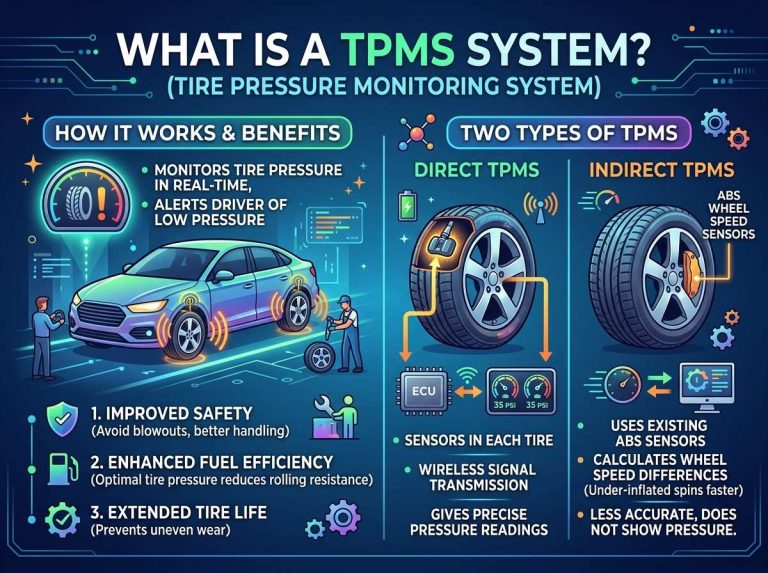
TPMS is designed to monitor the air pressure inside your vehicle’s tires and alert you when pressure drops to an unsafe level. There are two main types of TPMS:
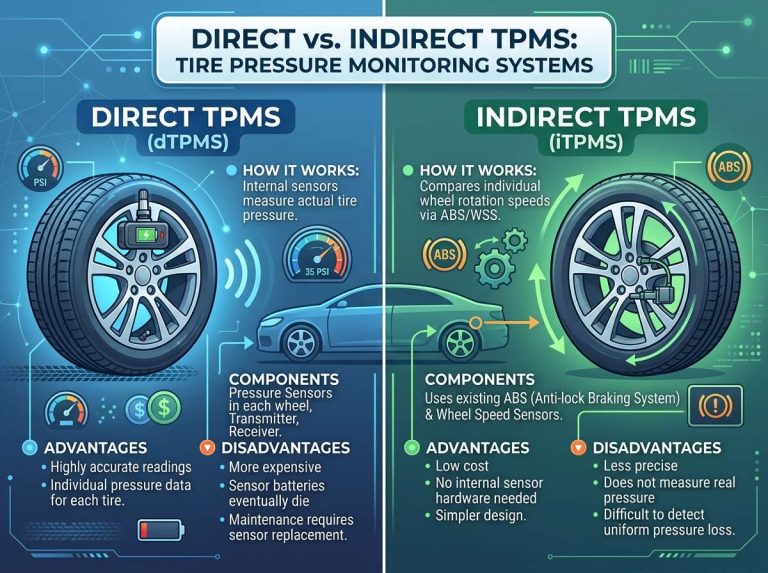
- Direct TPMS: This system uses individual pressure sensors mounted inside each tire. These sensors wirelessly transmit tire pressure data to your vehicle’s onboard computer. This is the more common and accurate system, capable of identifying which specific tire has low pressure.
- Indirect TPMS: This system works in conjunction with your vehicle’s anti-lock braking system (ABS) wheel speed sensors. It monitors individual wheel speeds to infer tire pressure. A tire with lower pressure will have a slightly smaller diameter and thus rotate at a different speed than a properly inflated tire. This system is less precise and cannot identify specific tire locations.
The Importance of TPMS
A properly functioning TPMS is crucial for several reasons:
- Safety: Underinflated tires can lead to tire blowouts, reduced braking performance, and compromised handling, significantly increasing the risk of accidents.
- Fuel Efficiency: Properly inflated tires reduce rolling resistance, improving your vehicle’s fuel economy.
- Tire Longevity: Maintaining correct tire pressure helps distribute wear evenly across the tire tread, extending the life of your tires.
Solid vs. Flashing TPMS Light: A Key Distinction
It’s vital to differentiate between a solid and a flashing TPMS light, as they indicate entirely different problems:
- Solid TPMS Light: This typically means one or more of your tires are significantly underinflated (usually 25% below the manufacturer’s recommended pressure). It’s a direct warning about tire pressure.
- Flashing TPMS Light: This is the focus of our discussion. A flashing light indicates a malfunction within the TPMS itself. The system is unable to monitor tire pressure effectively, meaning you’ve lost your primary tire pressure warning system.
The Flashing TPMS Light: A Sign of Trouble
When your TPMS light flashes, it’s a clear signal that the system isn’t working as intended. This isn’t just a suggestion to check your tire pressure; it means there’s a fault preventing the system from accurately reading or reporting tire pressure data. While you should always manually check your tire pressure as a first step (to rule out a simultaneous low-pressure issue), understand that a flashing light points to a deeper, systemic problem.
Common Causes of a Flashing TPMS Light
Numerous issues can trigger a flashing TPMS light. Identifying the root cause is the first step toward a solution.
Dead or Dying TPMS Sensor Battery
This is arguably the most common reason for a flashing TPMS light, especially in older vehicles.
- Explanation: Each direct TPMS sensor has a small, non-rechargeable lithium-ion battery designed to last typically 5 to 10 years, depending on driving habits and environmental conditions. Once these batteries deplete, the sensor can no longer transmit data, causing the system to register a fault.
- Symptoms: The light might flash intermittently at first, especially during startup or in cold weather, before eventually staying on permanently.
- Solution: The sensor (or sensors) with the dead battery will need to be replaced. Since the battery is sealed within the sensor, the entire unit is replaced.
Faulty or Damaged TPMS Sensor
Beyond battery failure, the sensors themselves can malfunction or sustain damage.
- Explanation: TPMS sensors are robust but not indestructible. They can be damaged by:
- Impact: Hitting a pothole, curb, or road debris can physically damage a sensor.
- Corrosion: Exposure to moisture, road salt, and chemicals can corrode the sensor’s electronics or valve stem.
- Improper Tire Service: During tire mounting or dismounting, a sensor can be accidentally broken if technicians aren’t careful.
- Symptoms: The light might flash consistently or only in specific driving conditions.
- Solution: The damaged sensor must be replaced. A professional can identify the faulty sensor using a specialized TPMS diagnostic tool.
TPMS Control Module Malfunction
While less common than sensor issues, the central TPMS control module can fail.
- Explanation: The control module (sometimes integrated into the body control module or ECU) is the “brain” of the TPMS. It receives data from the sensors, processes it, and triggers the warning light if necessary. A fault in this module can prevent the entire system from functioning.
- Symptoms: A persistent flashing light, sometimes accompanied by other electrical issues or error codes unrelated to specific sensors.
- Solution: Diagnosis by a professional technician is crucial, as this often involves specialized diagnostic tools and potentially module replacement or reprogramming, which can be a more costly repair.
TPMS Sensor Reprogramming/Relearning Issues
After certain services, TPMS sensors need to be “relearned” by the vehicle’s computer.
- Explanation: Whenever a tire is rotated, a sensor is replaced, or new tires/wheels are installed, the vehicle’s computer needs to know the new location or identity of each sensor. If the relearning process isn’t performed correctly or fails, the system won’t recognize the sensors.
- Symptoms: The light flashes immediately after tire rotation, tire replacement, or sensor replacement.
- Solution: The sensors need to be properly relearned. Some vehicles have an auto-learn function, others require a manual procedure (often found in the owner’s manual), and many need a professional TPMS scan tool to perform the relearn.
Aftermarket Wheels or Tires Incompatibility
Switching to non-OEM wheels or tires can sometimes introduce TPMS complications.
- Explanation: If aftermarket wheels were installed without compatible TPMS sensors, or if the new sensors aren’t properly programmed to your vehicle’s system, the light will flash.
- Symptoms: Flashing light appears immediately after installing new wheels or tires.
- Solution: Ensure that any aftermarket wheels have compatible TPMS sensors installed and that they are correctly programmed to your vehicle. This might involve purchasing OEM-spec sensors or having a tire shop install and program universal sensors.
Interference from Other Electronic Devices
While rare, strong electromagnetic interference can sometimes disrupt TPMS signals.
- Explanation: In very specific circumstances, high-power radio transmitters, certain aftermarket electronic accessories, or even devices in nearby vehicles could potentially interfere with the wireless signals from your TPMS sensors.
- Symptoms: Intermittent flashing that seems to occur only in certain locations or when specific devices are active.
- Solution: This is difficult to diagnose. Try removing any aftermarket electronic devices from your vehicle to see if the problem resolves. If it’s external interference, it may be out of your control.
Extreme Temperature Changes
While extreme cold typically causes a solid TPMS light due to pressure drop, it can occasionally contribute to a flashing light.
- Explanation: Very low temperatures can temporarily affect the performance of TPMS sensor batteries, causing their voltage to drop and leading to intermittent signal loss. This might cause the light to flash until the battery warms up or the voltage stabilizes.
- Symptoms: Flashing light primarily during very cold weather, which might disappear as the vehicle warms up.
- Solution: Monitor the situation. If it persists after temperatures normalize, or if it happens frequently, it could indicate a weak sensor battery that’s nearing its end of life.
Diagnosing the Flashing TPMS Light
Pinpointing the exact cause of a flashing TPMS light requires a systematic approach.
Manual Tire Pressure Check
Even though a flashing light signals a system error, your first step should always be to manually check the pressure in all four tires (and your spare, if it has a sensor).
- Why: While unlikely to be the sole cause of a flashing light, it’s crucial to rule out a concurrent low-pressure situation that could be dangerous. If you find a low tire, inflate it to the manufacturer’s recommended PSI (found on a sticker inside your driver’s side door jamb).
OBD-II Scanner with TPMS Capabilities
For a more precise diagnosis, an OBD-II scanner is invaluable, especially one with TPMS-specific functions.
- How it helps: A generic OBD-II scanner can read basic engine codes, but many advanced scanners can also communicate directly with your TPMS module. They can retrieve specific TPMS diagnostic trouble codes (DTCs), such as:
- C0210 – Sensor ID Not Learned: Indicates a relearning issue.
- C0077 – TPMS Low Pressure Warning: Could point to a sensor not reporting correctly.
- C0051 – TPMS Sensor Malfunction: A general sensor error.
- What to do: Plug the scanner into your vehicle’s OBD-II port (usually under the dashboard). Follow the instructions to read TPMS codes. The codes will provide a clearer direction for repair.
Visual Inspection of Sensors
If accessible, a quick visual check can sometimes reveal obvious damage.
- What to look for: While you can’t see the internal sensor, you can inspect the valve stem for signs of corrosion, bending, or damage, especially if you have rubber stems with a metal cap (some sensors use metal valve stems).
- Limitations: This is a limited inspection, as most sensor damage is internal or not visible without dismounting the tire.
Professional Diagnosis
When in doubt, or if you can’t identify the problem yourself, professional diagnosis is the safest and most reliable option.
- Why: Dealerships and reputable independent mechanics have specialized TPMS diagnostic tools that can:
- Read individual sensor data: They can “wake up” each sensor and read its battery life, pressure, temperature, and ID. This quickly identifies dead or faulty sensors.
- Perform advanced relearn procedures: Some vehicles require specific sequences or tools to properly relearn sensors.
- Diagnose control module issues: They can access deeper diagnostic codes related to the TPMS control unit.
- Recommendation: If your TPMS light is flashing, and a manual pressure check doesn’t resolve anything, schedule an appointment with a trusted automotive service center.
Solutions and Repair Options
Once the cause of the flashing TPMS light is identified, the repair path usually involves one of the following.
TPMS Sensor Replacement
This is the most frequent repair for a flashing TPMS light.
- Process: The affected tire needs to be dismounted from the wheel, the old sensor removed, a new sensor installed, and the tire re-mounted and balanced. Crucially, the new sensor then needs to be programmed to your vehicle’s TPMS module.
- Cost: The cost typically ranges from $50 to $150 per sensor, plus labor for dismounting/mounting the tire, balancing, and programming (totaling $100-$300 per wheel).
- Considerations: If one sensor battery has died, others are likely to follow soon. Many owners opt to replace all four sensors simultaneously, especially if they are all original and approaching the end of their lifespan, to avoid repeated trips to the shop.
TPMS Sensor Relearning/Reprogramming
If the sensors are functional but not communicating correctly with the vehicle.
- Methods:
- Auto-Learn: Some vehicles automatically relearn new sensor IDs after a certain amount of driving.
- Manual Procedure: Specific steps (e.g., turning the ignition on/off, pressing buttons) outlined in your owner’s manual.
- OBD-II Tool: A scan tool is used to initiate the relearn process, often involving a special TPMS tool to activate each sensor in a specific order.
- When it’s needed: After sensor replacement, tire rotation, or sometimes even after a battery disconnect.
TPMS Control Module Repair/Replacement
This is a less common and more intensive repair.
- Process: If the control module itself is faulty, it will need to be replaced. This involves accessing the module (which can be in various locations depending on the vehicle), installing a new one, and then often programming it to the vehicle’s ECU.
- Cost: Significantly higher than sensor replacement, ranging from several hundred to over a thousand dollars, primarily due to the cost of the module itself and specialized labor.
Battery Replacement (Sensor Specific)
While TPMS sensor batteries are generally sealed units, some very specific aftermarket or older OEM designs might allow for battery replacement.
- Reality: For most modern direct TPMS sensors, the battery is integral and not designed to be replaced. Attempting to open the sensor risks damaging its delicate electronics and compromising its seal. Therefore, replacing the entire sensor is the standard practice.
Preventative Maintenance and Tips
Proactive steps can help prolong the life of your TPMS and prevent future issues.
- Regular Tire Rotations: Stick to your vehicle’s recommended tire rotation schedule. This helps with even tire wear and gives technicians an opportunity to visually inspect sensors.
- Careful Tire Changes: Always use reputable tire shops that have experience with TPMS-equipped vehicles. Ensure they use proper tools and techniques to avoid damaging sensors during mounting and dismounting.
- Know Your TPMS System: Understand if your vehicle uses direct or indirect TPMS. This knowledge can help you better interpret warning lights and discuss issues with technicians.
- Check Tire Pressure Manually: Even with TPMS, regularly check your tire pressure with a reliable gauge. This provides a backup and helps catch slow leaks before the TPMS light even comes on.
- Proactive Sensor Replacement: If your vehicle’s TPMS sensors are original and more than 7-8 years old, consider replacing them proactively during your next tire replacement. This can save you from unexpected sensor failures and additional labor costs later.
- Use OEM-Quality Sensors: When replacing sensors, opt for original equipment manufacturer (OEM) or high-quality aftermarket sensors that are specifically designed for your vehicle. This ensures compatibility and reliability.
Is It Safe to Drive with a Flashing TPMS Light?
Driving with a flashing TPMS light is generally not recommended for an extended period. Here’s why:
- Loss of Safety Feature: The primary concern is that your tire pressure monitoring system is compromised. You no longer have an active warning system to alert you to dangerously low tire pressure. This means you could develop a flat or severely underinflated tire without immediate notification, leading to potential hazards like:
- Tire Blowouts: A sudden loss of pressure at highway speeds can cause a tire to fail catastrophically.
- Reduced Handling and Braking: Underinflated tires significantly impair your vehicle’s ability to steer, corner, and stop effectively.
- Increased Accident Risk: The combination of these factors substantially elevates your risk of an accident.
- Potential for Further Damage: While not directly damaging, ignoring a system fault can sometimes mask other issues or lead to increased wear on other components if the underlying problem is not addressed.
Recommendation: While a flashing light doesn’t mean you have an immediate flat tire, it does mean your safety net is down. You should get the issue diagnosed and repaired as soon as possible. Drive cautiously, manually check your tire pressure frequently, and prioritize a visit to your mechanic.
Frequently Asked Questions
Q1: How long do TPMS sensor batteries last?
TPMS sensor batteries typically last between 5 to 10 years, with 7 years being a common average. Their lifespan can vary depending on your driving habits, climate, and the specific vehicle model.
Q2: Can I reset the TPMS light myself?
You can reset a solid TPMS light by correctly inflating your tires, then driving for a short period. However, for a flashing TPMS light, which indicates a system malfunction, simply resetting it isn’t usually possible without addressing the underlying problem. While some vehicles have manual relearn procedures, most require professional diagnostic tools to properly fix and reset a flashing light caused by a sensor or module fault.
Q3: Is it expensive to fix a flashing TPMS light?
The cost varies significantly depending on the cause. Replacing a single TPMS sensor (including parts, labor for tire removal/reinstallation, balancing, and programming) can range from $100 to $300. If multiple sensors need replacement, or if the TPMS control module is faulty, the cost can be several hundred to over a thousand dollars.
Q4: Can I ignore a flashing TPMS light?
No, it is strongly advised not to ignore a flashing TPMS light. It signifies that your vehicle’s tire pressure monitoring system is not functioning, meaning you have lost a crucial safety feature. Driving without a working TPMS increases your risk of tire-related accidents due to undetected low pressure or tire failure. You should have it diagnosed and repaired promptly.
Q5: Does a spare tire have a TPMS sensor?
It depends on the vehicle. Many newer vehicles, particularly those with full-size spare tires, do include a TPMS sensor in the spare. However, compact “donut” spare tires typically do not have a sensor. Check your vehicle’s owner’s manual for specifics. If your spare does have a sensor, it can also contribute to a flashing light if its battery dies or it malfunctions.
Q6: Can extreme cold cause a TPMS light to flash?
While extreme cold most commonly causes a solid TPMS light due to a drop in tire pressure, it can sometimes contribute to a flashing light. Very low temperatures can temporarily reduce the voltage output of a TPMS sensor’s battery, leading to intermittent signal loss and a flashing warning until the battery warms up or the voltage stabilizes. If the flashing persists after the weather warms, it likely indicates a dying sensor battery.
Final Verdict
A flashing TPMS light is not a warning to be taken lightly. It’s your vehicle’s alert that a critical safety system—the one designed to monitor your tire pressure and prevent dangerous driving conditions—is malfunctioning. While the immediate cause might be as simple as a dead sensor battery, it could also point to more complex issues within the system. Ignoring this warning means sacrificing an important layer of safety on the road. Prioritize a professional diagnosis to identify the precise problem, whether it’s a faulty sensor, a relearning issue, or a control module failure. Addressing the flashing TPMS light promptly ensures that your vehicle’s safety features are fully operational, protecting you and your passengers from potential tire-related hazards and giving you peace of mind on every journey.

Peterson is an automotive safety enthusiast and product reviewer with a passion for helping drivers stay safe on the road. He researches and tests dash cams, backup cameras, TPMS systems, emergency tools, GPS trackers, and other vehicle safety products to provide honest, practical recommendations. Through CarSafeties.com, Peterson shares in-depth reviews, buying guides, and maintenance tips to help drivers make smarter and safer decisions.