Emergency Car Kit Checklist
Every driver dreads that moment when something goes wrong on the road. Your car suddenly breaks down in the middle of nowhere, you get a flat tire on a highway, or worse, you find yourself stranded without help nearby. These situations happen more often than you’d think, and being prepared makes all the difference between a minor inconvenience and a genuine crisis.
In this article
The good news? You can prepare for almost any roadside emergency by keeping the right supplies in your vehicle. An emergency car kit gives you peace of mind and helps you handle common problems without panicking. This guide walks you through everything you need to pack, why each item matters, and how to build a kit that actually works.
Why Every Driver Needs an Emergency Car Kit
Think about your daily drive. You might travel the same routes every day, but unexpected events can happen anytime. A broken-down car, a fender bender, a dead battery, or a blown tire can strike when you least expect it. Some of these situations happen in areas with poor cell phone coverage or where help takes time to arrive.
Having an emergency kit in your vehicle means you’re not stuck helpless. You become someone who can handle problems, keep yourself and passengers safe, and call for help effectively. This confidence comes from knowing you have backup supplies right there in your car.
The other big reason is timing. When something goes wrong on the road, you need help immediately. Many people don’t have emergency kits because they figure help will come quickly. But what if you’re in a remote area? What if it’s late at night? What if you’re in bad weather? These are the moments when your kit becomes absolutely essential.
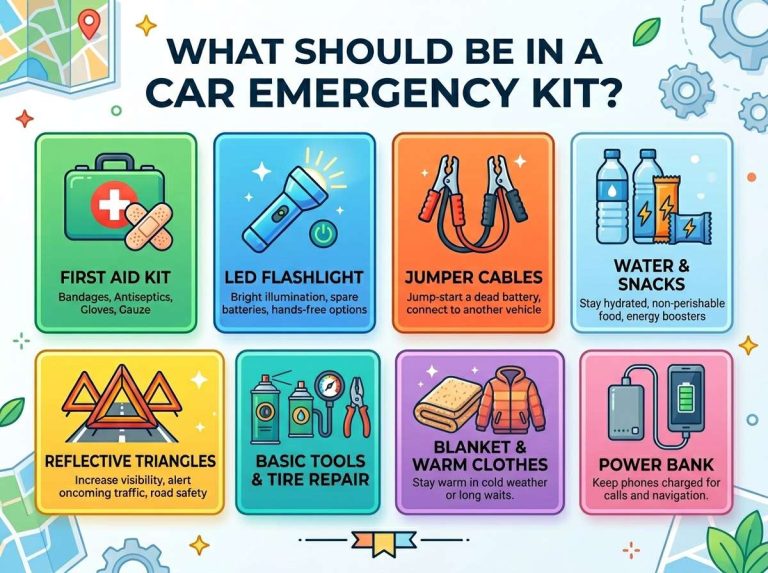
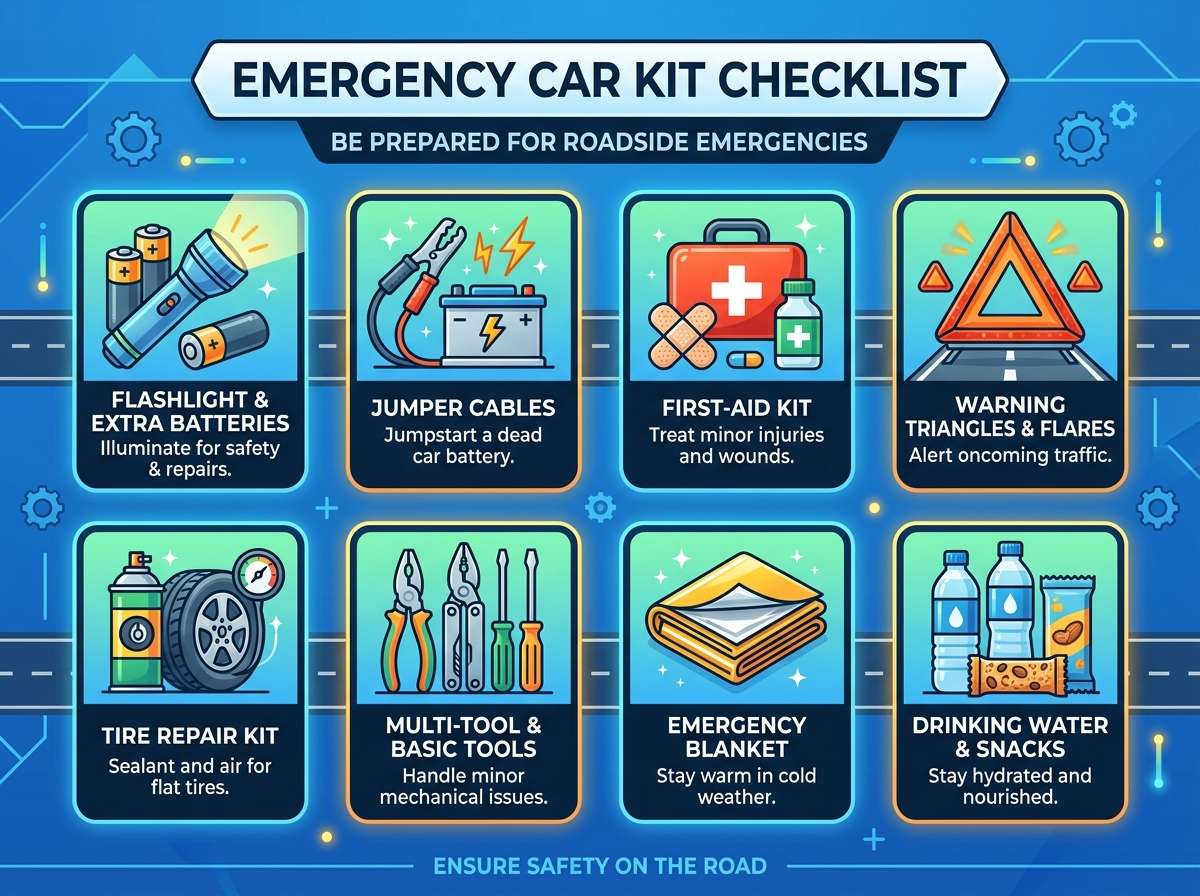
Basic Roadside Emergency Supplies
Let’s start with the basics—the items that handle the most common car emergencies you might face.
Jumper Cables and a Power Bank
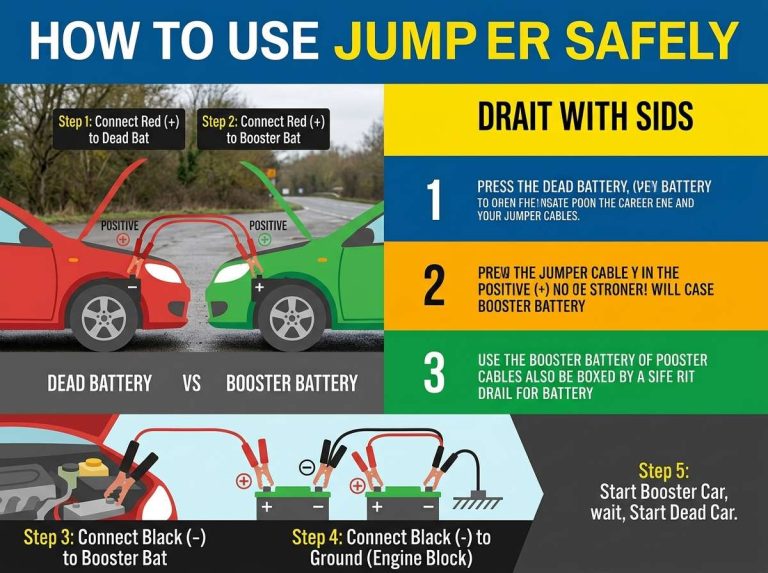
A dead battery ranks as one of the most common reasons drivers get stranded. Jumper cables let you restart your car with help from another vehicle. Keep them in your trunk and check them twice a year to make sure they’re not damaged or corroded.
A portable power bank offers another solution without needing another car nearby. These battery packs have become smaller and cheaper over time, making them practical for any vehicle. They work great as backup if you can’t find someone to help jump your car.
Spare Tire and Jack Equipment
Your spare tire, jack, and lug wrench come standard with most vehicles, but you need to know where they are and how to use them. Check your spare tire pressure every few months since spares can lose air over time. A flat spare tire won’t help you escape trouble.
Keeping a tire plug kit in your vehicle gives you another option for minor punctures. This simple kit lets you patch small holes and get moving again without waiting for roadside assistance.
Tire Repair and Inflation Tools
A portable air pump becomes crucial when you’re dealing with a slow leak or a tire that’s just a bit flat. These pumps come in different styles—some plug into your car’s power outlet, while others run on their own batteries. Either way, they’re lifesavers when you need to add air to get to the nearest tire shop.
Tire plugs, patches, and sealant sprays offer temporary fixes for punctures. These products work fast and get you back on the road without removing the tire. Keep several patches on hand since you never know how many you might need.
Basic Tools and Hardware
A simple tool kit shouldn’t be complicated. Include a screwdriver set, adjustable wrench, pliers, and a hammer. These tools let you make minor fixes and adjustments that might help you get your car running again.
Duct tape and electrical tape solve more problems than you’d expect. They stick things together, wrap loose wires, and create temporary seals. Wrap some around a pencil to save space, or keep a small roll in your kit.
A flashlight with extra batteries becomes essential when problems happen at night. You need to see what you’re doing under the hood, and you need to be visible to other drivers. Consider getting a flashlight that uses rechargeable batteries so you don’t keep buying replacements.
Safety and Visibility Equipment
When you’re stuck on the side of the road, being seen by other drivers is critical. Visibility saves lives.
Warning Triangles and Flares
Reflective warning triangles alert other drivers that your car is disabled. Place these behind your vehicle to warn approaching traffic. They’re especially important at night or in bad weather when visibility drops.
Flares work similarly but create a bright light that’s visible from far away. They’re particularly useful on highways where drivers travel at high speeds. Never use flares near a gas station or where flammable materials are stored.
Hazard Lights and Reflective Vests
Your car’s hazard light button is your first line of defense. Turn it on immediately if you break down. This signals other drivers that something is wrong.
Reflective vests make you visible when you’re standing outside your car. Wear one whenever you exit your vehicle on a road. Drivers need to see you clearly, especially on highways or in dim light.
Emergency Lights
LED emergency lights clip onto your vehicle or sit on the roof. They pulse with bright colors and catch attention fast. Some versions are magnetic and stick to the car, making them easy to place and remove.
Rope and Jumper Cables
Beyond jump-starting, rope serves many purposes. You might need to tie something down, secure a dragging part, or attach items together. Keep at least twenty feet of sturdy rope in your emergency kit.
First Aid and Health Supplies
A breakdown becomes more serious if someone gets hurt. A basic first aid kit handles minor injuries and gives you options if someone needs help while waiting for emergency responders.
First Aid Kit Contents
Your first aid kit should include bandages of different sizes, antiseptic wipes, antibiotic ointment, and pain relievers. Add gauze pads, medical tape, and elastic bandages for sprains. Include tweezers for splinters and scissors for cutting tape and bandages.
Keep over-the-counter medications like antacids, antihistamines, and motion sickness pills. Add pain relievers for headaches. Some people benefit from anti-diarrhea medicine and antinausea tablets.
Personal Medications
If you take prescription medications, keep a small emergency supply in your car. Store them in their original containers so people know what they are. Keep them away from extreme heat and cold.
CPR Face Shield
A CPR face shield creates a barrier between you and an injured person if you need to perform CPR. These shields are lightweight and take up almost no space.
Communication and Documentation
You need ways to call for help and provide information to emergency responders or insurance agents.
Phone Charger
A dead phone is useless when you need to call for help. Keep a car charger that works with your phone model. Consider getting one that charges quickly, and bring a backup cable since cables break often.
A portable battery bank charges your phone when you can’t plug into the car. These devices range from small and light to large and powerful. Even a basic one keeps your phone alive long enough to call for help.
Emergency Contact List
Write down important numbers on a card and keep it in your vehicle. Include family members, your insurance company, roadside assistance, and a trusted mechanic. A written list helps when your phone dies or loses signal.
Vehicle Documentation
Keep copies of your insurance card, registration, and warranty information in an easy-to-reach spot. Store them in a waterproof folder so they don’t get damaged. You’ll need these documents for any accident report or insurance claim.
Include your vehicle’s VIN (Vehicle Identification Number), make, model, and color. This information helps emergency responders and mechanics quickly understand what they’re dealing with.
Paper and Pen
Jot down important information at accident scenes or mechanical failures. You might need to note down witness details, take pictures, or document damage. A small notepad and pen cost almost nothing and take up minimal space.
Comfort and Survival Items
Getting stuck on the road creates stress. Having comfort items helps you stay calm while waiting for help.
Water and Snacks
Bottles of water keep you hydrated during emergency situations. Store water safely in your vehicle, replacing it every six months since water can go bad in extreme heat. Dehydration affects your thinking and creates panic.
Non-perishable snacks like granola bars, nuts, or crackers provide energy and calm anxiety. Choose items that don’t melt or spoil easily. Avoid chocolate and other foods that can’t handle temperature swings.
Blanket or Emergency Blanket
A blanket keeps you warm if you break down in cold weather. Mylar emergency blankets take up almost no space and reflect your body heat. Keep one even if you live in a warm climate—you never know when you might travel somewhere cold.
Sun Shade
A sun shade isn’t just for blocking heat. It also creates privacy if you need to change clothes or rest while waiting for help. It doubles as a signal if you angle it in the window to reflect light.
Wet Wipes and Hand Sanitizer
You’ll likely get your hands dirty while fixing something under the hood. Wet wipes and hand sanitizer let you clean up afterward. This prevents dirt and grease from getting into your eyes or on your face.
Weather-Related Items
Conditions change fast, and you might get caught in weather you didn’t expect.
Rain Gear
A lightweight raincoat takes up minimal space but protects you from heavy rain. Keep it accessible so you can put it on quickly. Rain makes everything harder, and being dry improves your safety and mood.
Rubber gloves protect your hands when you’re dealing with wet equipment or dirty engine parts.
Ice Scraper and Snow Brush
These tools are essential for winter driving. You need to clear ice and snow from windows and mirrors before moving. A combination ice scraper and snow brush saves space while doing both jobs.
Coolant and Windshield Washer Fluid
Engine coolant prevents overheating, and you might need to top it off while stranded. Windshield washer fluid helps you see clearly, which is crucial for safe driving. Both items are cheap and take up little room.
Tools and Maintenance Items
Having the right tools means you can make adjustments or repairs without waiting for professional help.
Socket Set and Screwdrivers
A small socket set handles bolts and fasteners on your engine. Get one with the most common sizes since you won’t need every size. A multi-bit screwdriver with interchangeable heads saves space compared to carrying multiple screwdrivers.
Wrench Set
An adjustable wrench does most jobs, but a set of regular wrenches gives you better grip and control. Include sizes from half-inch to three-quarters inch, which covers most car bolts.
Vice Grips
These adjustable clamping pliers fix broken or bent parts temporarily. They clamp tight, hold fast, and give you leverage in tight spaces.
Hose Clamp
A hose clamp secures a loose or damaged hose until you reach a mechanic. You might use this on your radiator hose or other engine hoses if something breaks while driving.
Spark Plug Socket and Gap Tool
If you get stranded and a spark plug fails, you can replace it with a spare. A spark plug socket makes the job easier, and a gap tool ensures the new plug works correctly.
Extra Fuses and Relays
Electrical problems cause many breakdowns. Keeping spare fuses and relays gives you options if an electrical component stops working. Know which fuses control what in your car—your owner’s manual shows this.
Engine Oil and Transmission Fluid
Top-off bottles of these fluids let you add more if levels drop while you’re stranded. Low fluids cause overheating and damage, so topping off buys you time to reach help.
Protective and Safety Gear
You need to protect yourself when working on your car or standing near traffic.
Work Gloves
Heavy-duty work gloves protect your hands from sharp edges, hot surfaces, and dirty engine parts. Nitrile gloves work too if you prefer something lighter, though they tear more easily.
Safety Glasses
Safety glasses protect your eyes when you’re working under the hood. Small metal pieces, dirt, and coolant spray can cause serious eye damage. Polycarbonate lenses are tough and won’t shatter.
Face Mask
A dust mask protects you from breathing in fumes or dust when working on your car. A respirator-style mask offers better protection if you’re sensitive to chemical smells.
Flashlight with Adjustable Brightness
A good flashlight helps you see engine components and inspect damage. LED flashlights last longer and produce better light than older styles. Get one with adjustable brightness so you don’t blind yourself in dark spaces.
Organizational Tips for Your Kit
Having supplies is great, but you need to keep them organized so you can find what you need quickly.
Use a Plastic Storage Container
A toolbox or plastic storage container keeps everything together. Clear containers let you see what’s inside without opening them. Label compartments so you know where specific items go.
Keep Items Accessible
Store your emergency kit somewhere easy to reach—not buried under the spare tire or trunk clutter. The passenger footwell or a trunk organizer works well.
Check Your Kit Regularly
Go through your emergency kit every few months. Replace expired medications, toss out old snacks, and check that batteries still work. Refresh items that look damaged or worn out.
Rotate Items with Seasons
Store heavier items like blankets and jumper cables year-round, but swap lighter gear for season-specific items. Winter kits might emphasize cold-weather tools, while summer kits focus on overheating solutions.
Building Your Kit on a Budget
You don’t need to spend a fortune to build a reliable emergency kit. Start with essentials and add items gradually.
Buy in Stages
Start with jump-starting supplies, a basic tool kit, and first aid basics. Add other items as your budget allows. Most people can build a solid kit for under one hundred dollars if they shop carefully.
Look for Combo Kits
Pre-assembled emergency kits cost more than buying items separately, but they save time if you’re in a hurry. These kits usually include the essentials, though they might lack specific items you need.
Check Dollar Stores and Online Retailers
Budget stores and online marketplaces offer many emergency supplies at low prices. Compare prices before buying to make sure you’re getting quality items.
Use What You Already Have
Before buying new stuff, check what you might already own. An old blanket, working flashlight, or basic tools from home projects can fill your kit without costing anything.
What to Do When You Need Your Kit
Knowing what you have is only half the battle. You need to know how to use it.
Stay Calm and Assess the Situation
Take a moment to think clearly. Is anyone hurt? Are you safe where the car is? Can you move to a safer location? Answer these questions before doing anything else.
Turn on Hazard Lights and Set Up Warnings
Immediately turn on your hazard lights. If you can do so safely, set up warning triangles or flares behind your vehicle. This protects you and alerts other drivers.
Call for Help
Use your phone to call roadside assistance, family, or emergency services if needed. Give them your location and describe the problem clearly. Keep your phone connected so they can reach you.
Use Your Kit for Self-Help
Now’s the time to try simple fixes if you know how. A dead battery? Use jumper cables. Slow leak? Try a plug kit. Low fluid? Top it off. Many small problems have quick fixes in your kit.
Stay Safe While Waiting
Don’t stand directly in traffic. Wear your reflective vest. Stay in your car or in a safe spot nearby. Keep your doors locked if you’re in an area where you feel unsafe.
Document Everything
If there’s an accident, take pictures with your phone. Write down details about what happened. Note the names and phone numbers of witnesses. This information helps your insurance company later.
Common Questions About Emergency Kits
How Often Should I Replace Items?
Check your kit every season. Replace items that expire, lose function, or get used. Water and snacks might need replacement every six months in hot climates.
Can I Keep My Kit in a Regular Toolbox?
Yes, any container works as long as it keeps items organized and protected from the elements. A toolbox, plastic storage bin, or even a sturdy bag will do the job.
Should I Keep a Different Kit for Winter?
You don’t need a completely different kit, but add cold-weather items. Include heavier blankets, ice scrapers, sand or kitty litter for traction, and extra coolant. Keep these items in your car from late fall through early spring.
What If I Don’t Know How to Use the Tools?
Watch online videos that show how to use specific tools for your car model. Your owner’s manual explains many procedures. You don’t need to be a mechanic—basic knowledge about jump-starting, tire changes, and adding fluid is enough.
Can I Share One Kit Between Multiple Cars?
You can, but it’s risky. If one car has the kit and breaks down, the other vehicle is unprepared. Each car should have its own emergency supplies.
Wrapping Up Your Emergency Preparedness
Building an emergency car kit isn’t glamorous, but it’s one of the smartest things any driver can do. You’re investing in your safety and peace of mind. When that unexpected breakdown happens—and it will happen eventually—you’ll be grateful you spent the time and money preparing.
Start today. Gather the basics and put them in your trunk. Add more items as you go. Share this information with family and friends so they protect themselves too. Road emergencies are unpredictable, but your response doesn’t have to be. You get to be ready, calm, and capable when trouble strikes.
The road ahead is yours to travel safely. Make sure you’re prepared for whatever comes your way.

Peterson is an automotive safety enthusiast and product reviewer with a passion for helping drivers stay safe on the road. He researches and tests dash cams, backup cameras, TPMS systems, emergency tools, GPS trackers, and other vehicle safety products to provide honest, practical recommendations. Through CarSafeties.com, Peterson shares in-depth reviews, buying guides, and maintenance tips to help drivers make smarter and safer decisions.