Blind Spot Safety Tips
Blind spot safety tips help drivers avoid one of the most common causes of side collisions. A blind spot is an area around a vehicle that the driver cannot easily see, even in the mirrors. This article explains what blind spots are, why they matter, and how beginners can check them safely.
You will also learn how mirrors, head checks and driver aids work together. The goal is simple: know where your blind spots are and use clear habits to manage them.
Key Takeaways
- A blind spot is an area around your vehicle that mirrors do not show well.
- Set your mirrors so they cover as much of the side and rear as possible.
- Always do a head check before changing lanes, even if you use a warning system.
- Blind spot monitoring helps, but it does not replace looking yourself.
- Motorcycles, cyclists and pedestrians are easy to miss, so check for them on purpose.
What Are Blind Spots and Why Do They Matter?
Defining a Blind Spot in Driving
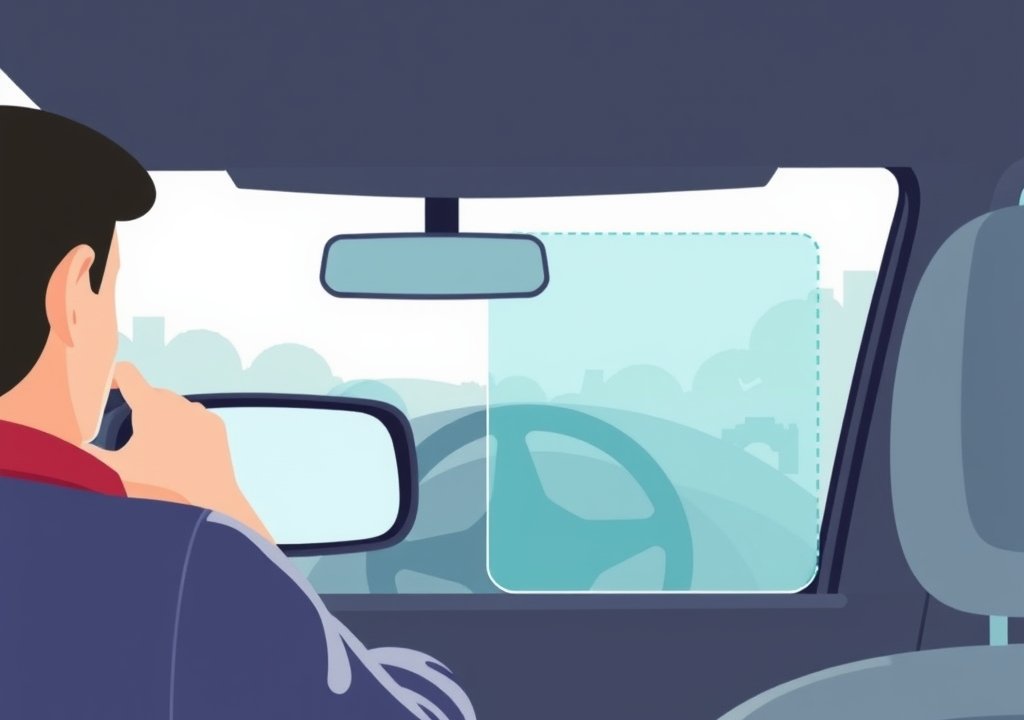
A blind spot is a part of the road around a vehicle that the driver cannot see directly. It is often called a “blind zone.” Mirrors and windows cover most of the area around a car, but not all of it.
Car bodies, pillars and seats block some views. The shape of the vehicle creates gaps that remain hidden even with good mirrors.
Where Blind Spots Occur on Common Vehicles
Most passenger cars have blind spots on both sides, just behind the rear door area and toward the rear corners. Vans, SUVs and trucks often have larger blind zones because of their height and longer rear body.
Blind spots also exist directly behind and in front of the vehicle. Low objects, such as small children or pets, can be hard to see there.
How Blind Spots Affect Lane Changes and Turns
Blind spots matter most when you change lanes or turn. A car can sit in the blind zone and remain unseen, even after a glance at the mirror. A quick shoulder check may be needed to confirm it.
Turns create similar risks. A vehicle or cyclist may move up on the inside or outside of your car as you turn, so slow down and look again before you commit.
How Blind Spots Work
Mirror Coverage and Its Limits
Mirrors show a wide view of the road behind and beside your vehicle, but each has a fixed field of view. Objects very close to the car, or at a sharp angle, may not appear in the mirror.
Convex mirrors, which curve outward, show more area but make objects look farther away than they are. Flat mirrors show distance more accurately but a narrower view.
Pillars, Headrests and Other Obstructions
Roof pillars can hide a vehicle or pedestrian for a moment. Headrests, cargo and child seats can also block the view through the rear window.
Move your head slightly when you look. A small lean or turn can reveal what a pillar was hiding.
How Speed and Distance Change What You Can See
Speed affects how far ahead you need to look. At higher speeds, a vehicle in the next lane can close the gap quickly, and the blind zone shifts as traffic moves around you.
A vehicle far back in the mirror may look small and slow, but it can move fast. Never assume a distant car is far away.
Everyday Blind Spot Safety Tips
Adjusting Your Mirrors Correctly
Good mirror setup reduces blind spots more than almost anything else. Sit in your normal driving position, lean your head to the side and set each mirror so the edge of your car is just visible.
Angle the side mirrors outward so you can see the lane next to you. Check your settings each time you change drivers or adjust the seat.
Using Head Checks Before Changing Lanes
A head check, also called a shoulder check, is a quick turn of the head toward the side you plan to move into. It shows the area that mirrors miss.
Make the check every time you change lanes, merge or pull out. Look for vehicles, motorcycles and cyclists, then move only when the lane is clear.
Signaling Early and Moving Gradually
A turn signal tells other road users what you plan to do, so signal early. A signal does not give you permission to move, though. Confirm the lane is clear first.
Move over slowly rather than in one sharp motion. A gradual move gives you time to correct your path if a vehicle appears.
Keeping Your Windows and Mirrors Clean
Dirt, rain, snow and fog can reduce what you see in the mirrors and through the windows. A dirty mirror can hide a car only a few meters behind you.
Use the defroster and wipers to keep the rear window clear, and wipe the side mirrors when they collect road spray.
Safe Habits for Parking, Reversing and Turning
Checking Around the Vehicle Before Reversing
Reversing creates some of the largest blind zones. The area directly behind the car can hide children, pets and low objects. When it is safe, walk around the vehicle before you reverse.
As you reverse, turn and look over your shoulder rather than relying only on the camera or mirror. Move slowly, and stop if you are unsure what is behind you.
Watching for Pedestrians and Cyclists at Intersections
Intersections are busy places where people walk and ride close to your car. A pedestrian may step out from behind a parked vehicle. A cyclist may move up on your right when you turn right.
Look left, right and left again before you turn or proceed. Pause at the crosswalk line so you can see past parked cars. Give people on foot and on bikes time to cross safely.
Managing Blind Spots in Heavy Traffic
Heavy traffic makes blind spots harder to manage. Vehicles change position often, and gaps close quickly. Keep a safe following distance so you have room to react.
Avoid staying beside a large truck or van for long. These vehicles have blind zones of their own, and the driver may not see your car. Move ahead or fall back to leave the blind zone quickly.
Blind Spot Monitoring Systems Compared
How Blind Spot Monitoring Technology Works
Blind spot monitoring is a driver aid that uses sensors, often radar, to detect vehicles in the zone beside your car. When a vehicle enters that area, the system alerts you. The sensors usually sit in the rear bumper or side panels.
Most basic versions do not steer or brake for you. They only warn you, yet they can help you notice a vehicle that is hard to see in the mirror.
Common Warning Types and What They Mean
Most systems use a light in the side mirror or on the A-pillar to signal a nearby vehicle. Some add a sound or a steering wheel vibration when you signal a lane change. Each brand designs its alerts differently.
Read the owner’s manual to learn what your car uses. Pay attention to how the alert behaves when you signal, and learn the pattern before you rely on it.
Why Technology Does Not Replace Checking Your Mirrors
Sensors have limits. Heavy rain, snow, dirty sensors or a damaged bumper can reduce how well they work. Some systems may also miss a motorcycle or a narrow vehicle.
Treat the warning as an extra layer. Your mirrors and head check remain the main tools, and good habits work even when the system is off or unavailable.
Common Mistakes Beginners Make
Relying Only on Mirrors or Only on Sensors
Some beginners check the mirrors and skip the head check. Others depend on a warning light and never look over their shoulder. Both habits leave gaps in awareness.
Combine methods. Check the mirrors, look over your shoulder when needed, and treat any system warning as a prompt to look again.
Ignoring Motorcycles and Small Vehicles
Motorcycles and small cars are easy to miss because they are narrow and can sit in the blind zone for a long time. Drivers often look for a large vehicle and miss a smaller one.
Look specifically for narrow vehicles before you move. Give them room, and do not assume the lane is empty just because you cannot see a large shape.
Forgetting Blind Spots When Carrying Passengers or Cargo
Passengers, luggage and roof boxes can block the rear view. A full car may also sit lower and change the angle of the mirrors, shifting your blind spots.
Recheck your mirrors after loading the car. Remove loose items from the rear shelf when you can, and adjust your head checks to match what you are carrying.
Blind Spot Safety for Motorcyclists, Cyclists and Pedestrians
Why Drivers Often Miss Smaller Road Users
Smaller road users sit low or move quickly, so they can slip into the blind zone. A cyclist may ride close to the edge of the lane, and a motorcyclist may pass between lanes of traffic.
Drivers also expect other vehicles to look like cars. When a shape looks different, the brain may not register it at once. Slow down and look twice when you are unsure.
Ways to Stay Visible to Other Drivers
If you ride a bike or motorcycle, position yourself where drivers can see you, and avoid staying in another vehicle’s blind zone for long. Use headlights during the day when it is allowed and helpful.
Pedestrians can also make themselves easier to see. Stay out of parked car blind spots when crossing, use crosswalks where possible, and wear bright or reflective clothing in low light.
Frequently Asked Questions
What is the easiest way to check my blind spot?
Turn your head over your shoulder toward the side you plan to move into. Look for vehicles and cyclists, then face the road again. Pair this with properly set mirrors for the best result.
Do blind spot mirrors really help?
Small convex mirrors that attach to the side mirror can show part of the blind zone. Some drivers find them useful. They still need a head check, and they make objects look farther away than they are.
Are blind spot monitoring systems required on all new cars?
Requirements differ by country and vehicle type, so check the rules where you live. Many new cars offer these systems, either as standard or as an option. Mirrors and head checks remain important even when a car has one.
How often should I check my mirrors while driving?
Check your mirrors regularly, especially before you change lanes, slow down, turn or stop. Glance at them often rather than only at the start of a trip. Adjust them again whenever the seat or driver changes, since a shift in position can move your view.
Can I learn blind spot safety if I am a new driver?
Yes. Blind spot safety is a set of habits that anyone can learn with practice. Start by setting your mirrors correctly, then add a head check before every lane change. A driving instructor can help you practice these steps safely.
Conclusion
Blind spots are a normal part of driving, but they can be managed. Set your mirrors well, make a head check before every lane change, and signal early. Use warning systems as an extra layer, not a replacement for looking. Stay alert for motorcycles, cyclists and pedestrians.

Peterson is an automotive safety enthusiast and product reviewer with a passion for helping drivers stay safe on the road. He researches and tests dash cams, backup cameras, TPMS systems, emergency tools, GPS trackers, and other vehicle safety products to provide honest, practical recommendations. Through CarSafeties.com, Peterson shares in-depth reviews, buying guides, and maintenance tips to help drivers make smarter and safer decisions.