TPMS Troubleshooting Guide
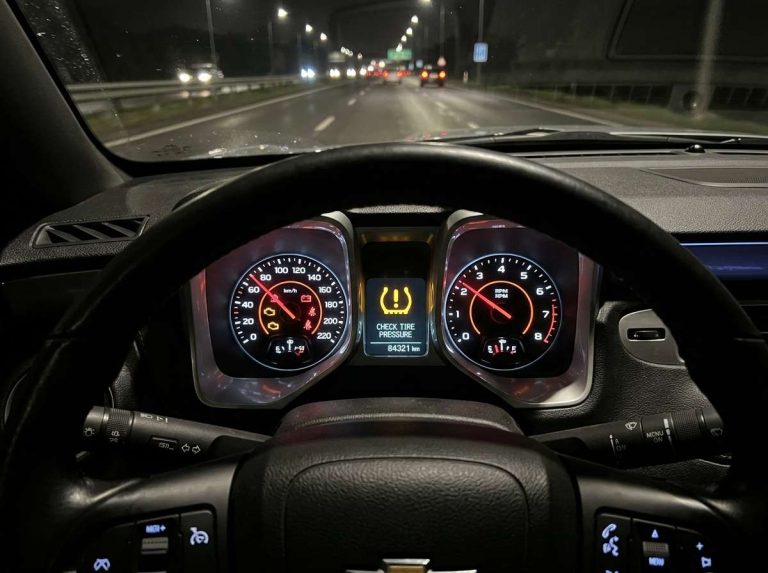
That little tire-shaped light on your dashboard can be annoying, right? One minute your car is fine, and the next minute this warning pops up out of nowhere. Don’t panic. This TPMS troubleshooting guide will walk you through everything in plain simple words, so even if you’ve never touched a car sensor in your life, you’ll know exactly what to do.
In this article
TPMS stands for Tire Pressure Monitoring System. It’s the little helper inside your car that watches your tire pressure and tells you when something is off. It sounds fancy, but it’s really just a safety feature that keeps you from driving on a flat or low tire without knowing it. Low tire pressure can cause poor handling, bad fuel mileage, and even blowouts on the highway. So this system exists to protect you.
Let’s break down how it works, why the light comes on, and how you can fix common problems yourself without spending a fortune at the shop.
How Does TPMS Actually Work?
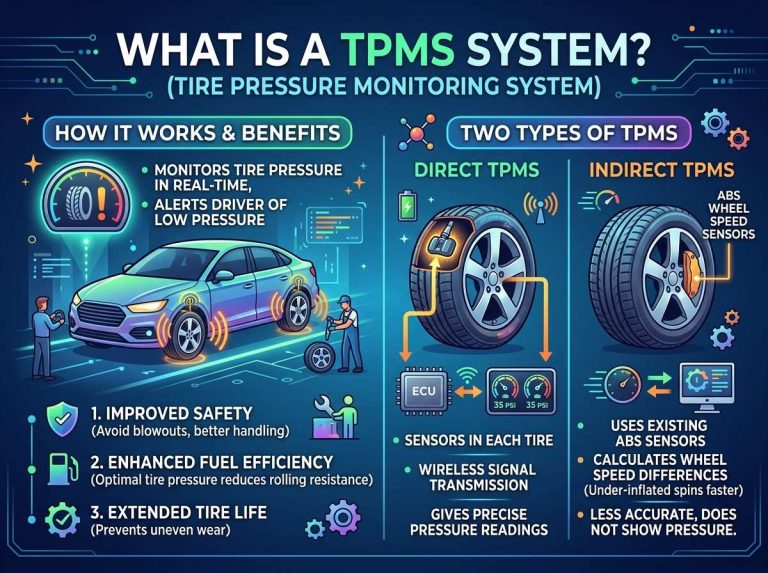
There are two main types of tire pressure monitoring systems: direct and indirect.
A direct TPMS uses small sensors mounted inside each tire, usually attached to the valve stem. These sensors measure the actual air pressure inside the tire and send that data straight to your car’s computer using radio signals. If one tire drops below the safe pressure level, the sensor sends a signal and the warning light turns on.
An indirect TPMS doesn’t use physical sensors in the tires at all. Instead, it uses your car’s wheel speed sensors, the same ones used for the anti-lock braking system. A tire with low pressure spins slightly faster than a properly inflated one because it has a smaller diameter. The system notices this difference in speed and triggers the warning light.
Direct systems are more accurate and give you an exact pressure reading. Indirect systems are cheaper but less precise. Knowing which type your car has will help you troubleshoot the right way, so check your owner’s manual if you’re not sure.
Common Reasons the TPMS Light Turns On
Before jumping into fixes, it helps to know the usual suspects behind that annoying light.
1. Actual Low Tire Pressure
This is the simplest and most common reason. Cold weather, small leaks, or just natural air loss over time can drop your tire pressure below the recommended level. The fix here is easy: grab a tire gauge, check each tire, and fill them up to the pressure listed on the sticker inside your driver’s door (not the number on the tire itself, since that’s the max pressure, not the recommended one).
2. Temperature Changes
Tire pressure drops when it gets cold outside. For every 10 degrees Fahrenheit the temperature falls, tire pressure can drop by about 1 PSI. So on a chilly morning, don’t be surprised if the light comes on even though your tires were fine the day before. Once you drive for a bit and the tires warm up, the light might turn off on its own.
3. A Slow Leak or Puncture
A nail, screw, or small crack in the rubber can cause a slow leak. This kind of leak doesn’t flatten your tire right away, but it drops pressure gradually. If one tire keeps losing air faster than the others, get it inspected for punctures.
4. Faulty or Dying TPMS Sensor Battery
Direct TPMS sensors run on small batteries that typically last several years. When the battery starts to die, the sensor sends weak or no signal at all, which can trigger a warning light or a strange blinking pattern. Sadly, these batteries usually can’t be replaced separately, so the whole sensor often needs swapping out.
5. Sensor Damage from Tire Service
If you recently got new tires, had a tire rotation, or got a flat fixed, the technician might have accidentally damaged a sensor while removing the tire from the rim. This is more common than people think, especially at shops that don’t handle TPMS sensors carefully.
6. A Spare Tire Without a Sensor
Some spare tires, especially the small “donut” type, don’t have a TPMS sensor installed. If you’re using your spare, the light might come on simply because that tire isn’t sending any data.
7. System Malfunction or Wiring Issue
Sometimes the problem isn’t the tires at all but the TPMS module itself, or the wiring connecting it to your car’s computer. This is less common but does happen, especially in older vehicles.
Steady Light vs Blinking Light: What’s the Difference?
This part trips up a lot of drivers, so let’s clear it up.
A steady TPMS light usually means one or more tires have low pressure. Fill the tires to the correct level, and the light should turn off after driving a short distance.
A blinking light, usually for about a minute after starting the car, then turning solid, means there’s a system problem rather than just low pressure. This could point to a sensor failure, a dead sensor battery, or a communication issue between the sensors and the car’s computer. In this case, filling the tires with air won’t fix anything since the actual pressure isn’t the issue.
Knowing the difference saves you time and stops you from repeatedly airing up tires that are already fine.
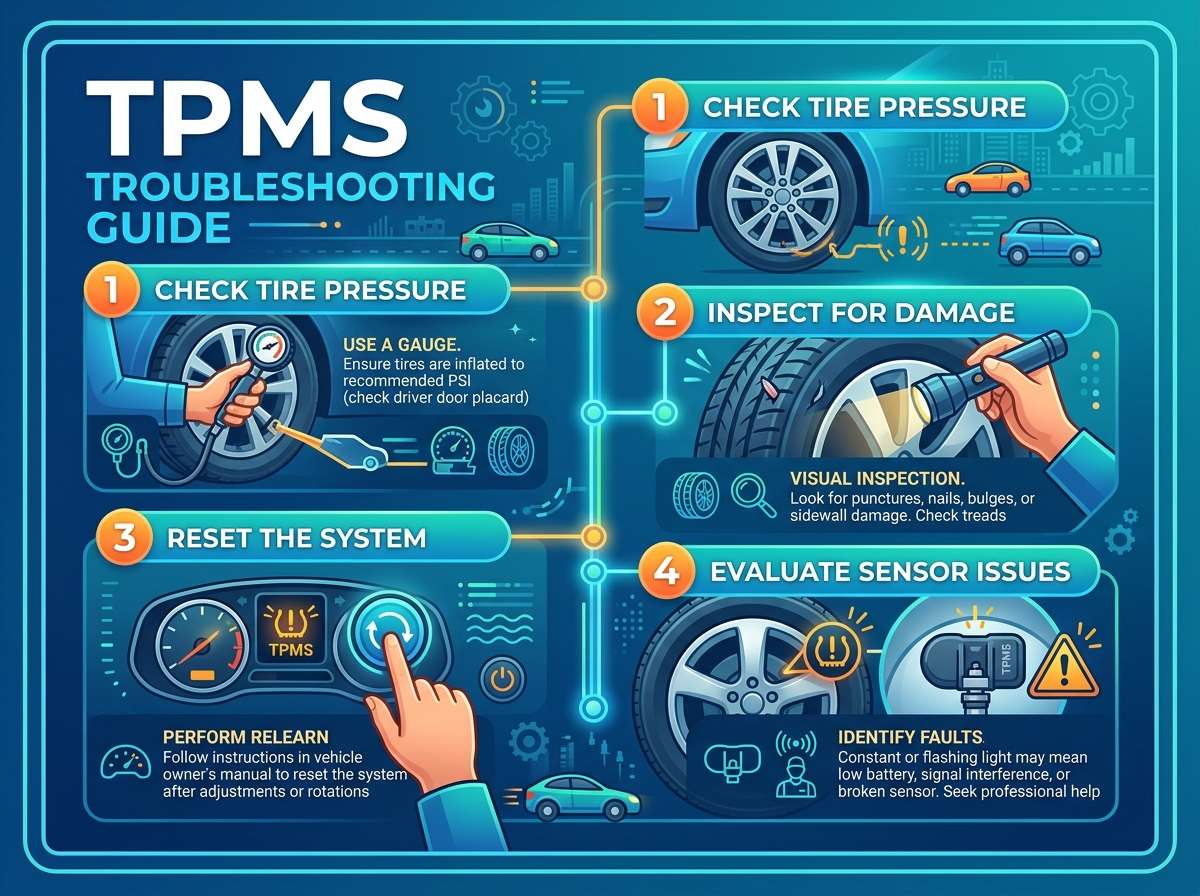
Step-by-Step TPMS Troubleshooting Guide
Here’s a simple process you can follow at home before heading to a shop.
Step 1: Check All Four Tires (Plus the Spare)
Use a reliable tire gauge and check the pressure in every tire, including the spare if it has a sensor. Compare the readings to the number on the sticker inside the driver’s door frame, not the tire’s sidewall.
Step 2: Fill Tires to the Correct PSI
If any tire reads low, fill it up slowly and recheck often. Overfilling is just as bad as underfilling, so aim for the exact number listed, not more.
Step 3: Drive for a Few Minutes
After adjusting pressure, drive at a moderate speed for about 10 minutes. Many TPMS systems need a short drive to reset and recognize the new pressure readings.
Step 4: Check for a Reset Button
Many vehicles have a TPMS reset button located under the steering wheel or inside the glove box. After adjusting your tire pressure, press and hold this button until the light blinks three times, then start the car and let it run for a bit.
Step 5: Look for Physical Damage
Walk around your car and inspect each tire for nails, cuts, bulges, or anything stuck in the tread. A slow leak from a small puncture is a very common hidden cause of ongoing TPMS warnings.
Step 6: Inspect the Valve Stems
Since direct TPMS sensors are attached to valve stems, a cracked or damaged valve stem can cause air leaks and sensor trouble at the same time. These are cheap to replace and often solve mysterious pressure loss.
Step 7: Use an OBD2 Scanner if Available
A basic OBD2 scanner can read TPMS-related trouble codes and tell you exactly which sensor is acting up. Many auto parts stores will scan your car for free, so this is a budget-friendly option before paying a mechanic.
Step 8: Perform a TPMS Relearn Procedure
Every car brand has a slightly different relearn process. Some just need you to drive at a certain speed for a few minutes, while others need a special relearn tool that talks to each sensor one by one. Your owner’s manual will list the exact steps for your specific model.
Why the Light Won’t Turn Off Even After Filling Tires
This is one of the most common frustrations people run into. A few reasons this happens include:
- The relearn process wasn’t completed, so the car’s computer still thinks a tire is low even though it’s not.
- One sensor has a dead or weak battery and can’t send accurate data.
- A tire was overfilled or underfilled slightly, and the system is being extra sensitive.
- The spare tire is currently in use and lacks a sensor.
- There’s a wiring or module issue unrelated to the tires themselves.
If you’ve filled the tires correctly and the light still stays on after driving for a while, it’s likely a sensor or system issue rather than a pressure problem.
How to Reset the TPMS Light
Resetting depends on your car’s setup, but here are the most common methods:
Method 1: Drive it out. Many cars will automatically reset the light after driving at speeds above 50 mph for around 10 minutes.
Method 2: Use the reset button. Turn the key to the “on” position without starting the engine, press and hold the reset button until the light blinks three times, then start the car.
Method 3: Disconnect the battery. Disconnecting the car battery for about 15 minutes can sometimes force a system reset, though this method works better as a last resort.
Method 4: Inflate and deflate. Some systems reset if you deliberately let a bit of air out of each tire, then refill to the correct pressure. This forces the sensors to detect a pressure change and re-sync.
Method 5: Professional relearn tool. A shop can use a dedicated TPMS tool to directly communicate with each sensor and force a proper relearn.
Do You Need to Replace the TPMS Sensor?
Sensors typically last many years, but they don’t last forever. Signs that a sensor needs replacing include:
- The warning light stays on constantly, even with correct pressure in all tires.
- One specific tire always triggers the warning, no matter how much air you add.
- An OBD2 scan shows a sensor fault code.
- The sensor is old and its battery has likely worn out.
Replacing a single TPMS sensor is usually affordable, and many tire shops include it as part of a routine tire replacement service. If you’re buying new tires anyway, it’s smart to ask about sensor condition at the same time.
Tips to Avoid Future TPMS Problems
A little maintenance goes a long way here. Try these simple habits:
- Check tire pressure once a month, ideally when tires are cold.
- Inspect tires for nails or cracks during routine washes.
- Ask your mechanic to handle TPMS sensors carefully during tire rotations or replacements.
- Keep a portable tire inflator in your trunk for emergencies.
- Replace valve stems whenever you get new sensors installed.
- Avoid using tire sealant sprays that can gunk up sensors over time.
Sticking to these small habits keeps your tires safer and your TPMS system working properly for years.
When to See a Professional
Most TPMS issues are simple enough to solve at home, but some situations call for expert help:
- The light keeps returning no matter what you try.
- You suspect a sensor is physically damaged or completely dead.
- Your car needs a special relearn tool that isn’t available at home.
- You notice unusual tire wear alongside the warning light.
- The wiring or TPMS module itself seems to be at fault.
A mechanic with proper diagnostic tools can pinpoint the exact sensor or wiring issue in minutes, saving you the guesswork.
Frequently Asked Questions
Can I drive with the TPMS light on? Yes, but only for a short distance and at a safe speed. Check your tire pressure as soon as possible since driving on a seriously underinflated tire can be dangerous.
Why does my TPMS light come on only in cold weather? Cold air makes tire pressure drop naturally. This is normal and usually just needs a quick air top-up.
How long do TPMS sensor batteries last? Most sensor batteries last around 5 to 10 years, depending on the brand and usage.
Can I fix a TPMS sensor myself? Checking pressure and resetting the system is easy to do at home. Replacing an actual sensor usually requires removing the tire from the rim, so it’s best left to a shop unless you have the right tools.
Does every car have a TPMS reset button? Not every vehicle has one. Some rely purely on driving cycles to reset, so check your owner’s manual for your specific process.
Final Thoughts
A TPMS warning light doesn’t have to be scary or confusing. Most of the time, it’s simply telling you that a tire needs air, and a quick check with a gauge solves the whole thing. For trickier cases, like a blinking light or a warning that won’t go away, a bit of troubleshooting with an OBD2 scanner or a visit to a trusted mechanic will get things sorted quickly.
Keeping an eye on tire pressure isn’t just about avoiding an annoying dashboard light. It protects your safety, saves fuel, and keeps your tires lasting longer. With this guide in hand, you now have a clear roadmap for diagnosing, resetting, and preventing TPMS issues, so the next time that light pops up, you’ll know exactly what to do.

Peterson is an automotive safety enthusiast and product reviewer with a passion for helping drivers stay safe on the road. He researches and tests dash cams, backup cameras, TPMS systems, emergency tools, GPS trackers, and other vehicle safety products to provide honest, practical recommendations. Through CarSafeties.com, Peterson shares in-depth reviews, buying guides, and maintenance tips to help drivers make smarter and safer decisions.