Direct vs Indirect TPMS
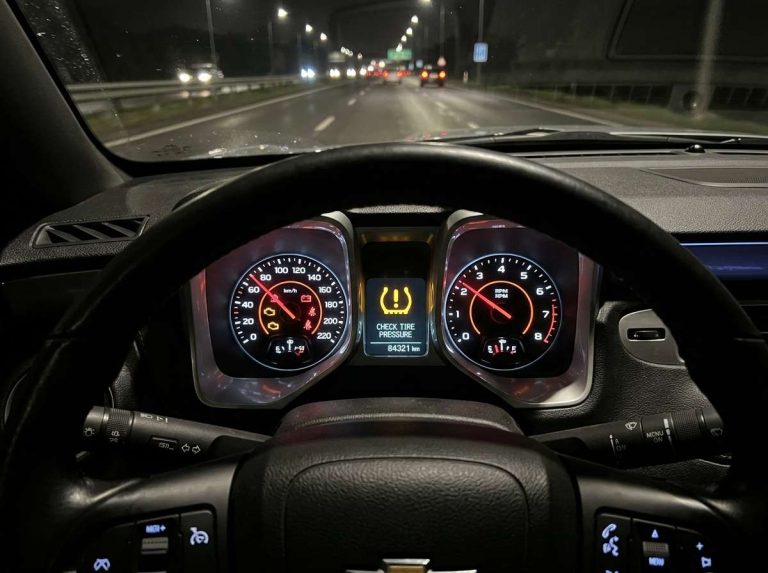
If you drive a car, you have probably seen a small warning light that looks like a flat tire with an exclamation mark inside it. That light comes from your Tire Pressure Monitoring System, or TPMS for short. But did you know there are two different kinds of TPMS? One is called direct, and the other is called indirect. They both do the same job, but they work in very different ways.
In this article
In this article, we will break down direct vs indirect TPMS in plain, easy language. We will talk about how each system works, their pros and cons, cost differences, and how to know which type your car has. By the end, you will feel like a true tire pressure expert, even if you know nothing about cars right now.
What Is TPMS and Why Does It Matter?
Before we jump into the direct vs indirect debate, let’s talk about why tire pressure monitoring even exists. Tires are the only part of your car that touches the road. When they are underinflated or overinflated, bad things start to happen.
Low tire pressure can cause:
- Poor fuel economy
- Faster tire wear
- Reduced handling and grip
- Higher risk of a blowout
- Longer braking distance
Overinflated tires are not much better. They can make your ride bumpy, reduce traction, and wear out the center of the tire tread faster than normal.
Because tire pressure problems are so risky, many countries now require new vehicles to come with a working TPMS. This system alerts drivers the moment pressure drops too low, so they can fix the issue before it turns into a dangerous situation on the highway.
Now let’s get into the real topic: how direct and indirect TPMS actually work, and what sets them apart.
How Direct TPMS Works
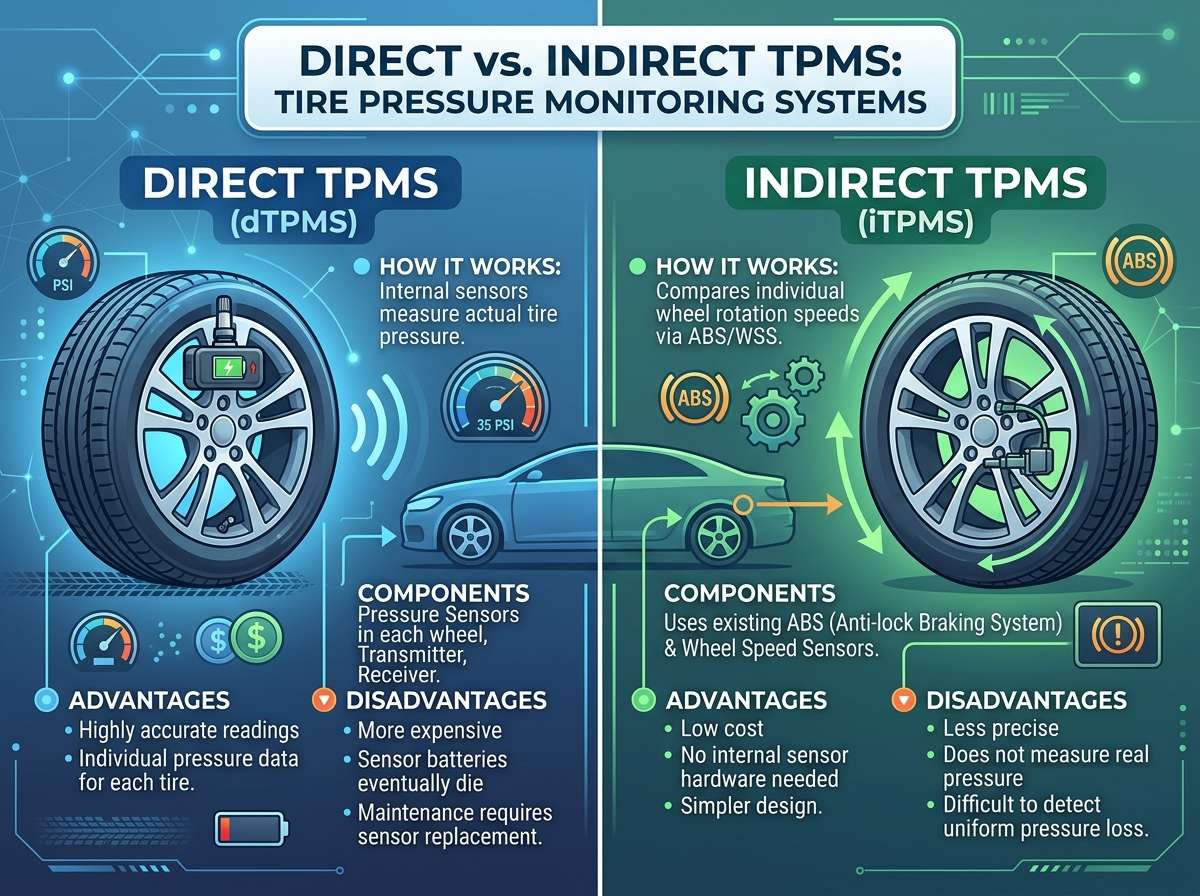
Direct TPMS uses a small sensor placed inside each tire, usually attached to the valve stem or mounted on the wheel rim. Each sensor measures the actual air pressure inside that specific tire in real time. Some sensors also track temperature, since heat affects pressure readings.
These sensors send signals wirelessly to a receiver in the car. The receiver then displays the pressure information on your dashboard, often showing the exact PSI number for each tire. If one tire drops below a safe level, the system lights up a warning so you know exactly which tire needs attention.
Here are the main things that make direct TPMS stand out:
- It gives exact pressure numbers, not just a general warning
- It reads pressure directly, so results are highly accurate
- It can tell you which specific tire has a problem
- It works even if the car is standing still, not just while driving
- It usually needs battery-powered sensors that eventually need replacing
Direct TPMS is more advanced technology. It reads pressure at the source, so there is little room for guessing. Many drivers like this system because it gives clear, specific data rather than a vague signal.
How Indirect TPMS Works
Indirect TPMS takes a completely different approach. Instead of using pressure sensors inside the tires, this system relies on the car’s Anti-lock Braking System (ABS) sensors, which are already built into most modern vehicles.
Here is the basic idea: a tire with low pressure has a smaller diameter than a properly inflated tire. That means it spins faster to cover the same distance. The wheel speed sensors, which are part of the ABS system, detect this difference in rotation speed. The car’s computer then compares the speed of all four wheels. If one wheel is spinning noticeably faster than the others, the system assumes that tire is underinflated and turns on a warning light.
Key features of indirect TPMS include:
- No extra sensors are placed inside the tires
- It uses existing ABS wheel speed sensors, keeping the system simpler
- It usually shows a general warning light, not exact pressure numbers
- It needs to be reset or recalibrated after tire rotation or pressure adjustment
- It can be less accurate in certain situations, like when all four tires lose pressure evenly
Since indirect TPMS relies on relative wheel speed rather than direct pressure readings, it can sometimes miss a slow, even leak across all tires. If every tire loses air pressure at the same rate, the wheels may still spin at similar speeds, and the system might not catch the problem right away.
Direct vs Indirect TPMS: Side-by-Side Comparison
Let’s line these two systems up and compare them clearly.
Accuracy
Direct TPMS wins here without much competition. Since it measures real air pressure inside each tire, the numbers you see are actual readings, not estimates. Indirect TPMS relies on math and wheel speed patterns, so it can be less precise, especially in tricky situations like uneven pressure loss.
Cost
Indirect TPMS tends to be cheaper because it uses parts that are already in the car, like the ABS sensors. There is no need to install pressure sensors in each tire, which lowers manufacturing costs. Direct TPMS, on the other hand, needs actual hardware inside every wheel, and that hardware costs money to make, install, and eventually replace.
Maintenance
This is where indirect TPMS has an edge. Since it does not use battery-powered sensors, there is nothing extra to replace over time. Direct TPMS sensors usually run on small batteries that last several years, but eventually, they die and need to be swapped out or replaced along with a new tire.
Ease of Use After Tire Changes
Indirect TPMS often needs to be manually reset after you rotate your tires, change a flat, or adjust pressure, since the system needs to relearn the normal rotation speed pattern for each wheel. Direct TPMS usually adjusts automatically since each sensor is tied to its specific tire and reads pressure no matter what position the tire is in.
Information Displayed
Direct TPMS almost always shows the exact PSI reading for each tire on the dashboard screen. This gives drivers detailed, real-time information. Indirect TPMS usually just turns on a general warning light without telling you which tire is the problem or exactly how low the pressure is.
Reliability During a Slow Leak
A slow and even leak across all four tires is a weak spot for indirect TPMS since wheel speeds might stay balanced even as pressure drops. Direct TPMS catches this more reliably because it measures pressure directly, tire by tire, regardless of how the other tires are doing.
Pros and Cons Summary
Direct TPMS Pros
- Gives exact pressure readings for each tire
- Identifies the specific tire with a problem
- Works accurately even when the car is parked
- Detects slow, even leaks across all tires
- Considered more reliable overall
Direct TPMS Cons
- Higher upfront cost
- Sensors have batteries that eventually run out
- Replacing sensors can be pricier during tire service
- Sensors can sometimes get damaged during tire changes if a shop is not careful
Indirect TPMS Pros
- Lower cost since it uses existing ABS hardware
- No batteries to worry about
- Simpler system with fewer parts that can fail
- Often cheaper to maintain over the life of the car
Indirect TPMS Cons
- Less accurate, especially with even pressure loss across all tires
- Cannot show a specific PSI number
- Needs manual reset after tire rotation or pressure changes
- Slower to catch pressure problems in some cases
Which Cars Use Direct TPMS vs Indirect TPMS?
Many newer vehicles, especially from brands that focus on advanced safety tech, use direct TPMS because it gives drivers more detailed and dependable information. You will often find direct systems in higher trim levels or premium vehicles, though it has also become common in many everyday cars.
Indirect TPMS is still found in some vehicles, especially certain European brands and older models. It was popular in the past because it kept manufacturing costs lower while still meeting safety requirements.
If you are not sure which system your car has, check your owner’s manual. It will usually tell you the type of TPMS installed and how to reset it if needed. You can also look at your dashboard display. If it shows exact pressure numbers for each tire, you most likely have direct TPMS. If it only shows a general warning light without numbers, your car probably has indirect TPMS.
How to Reset Each Type of TPMS
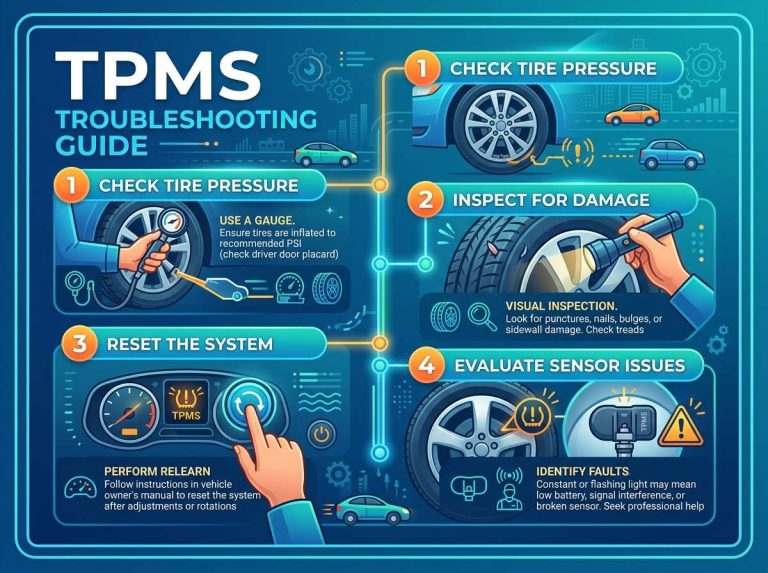
Knowing how to reset your TPMS can save you a trip to the shop.
Resetting Direct TPMS
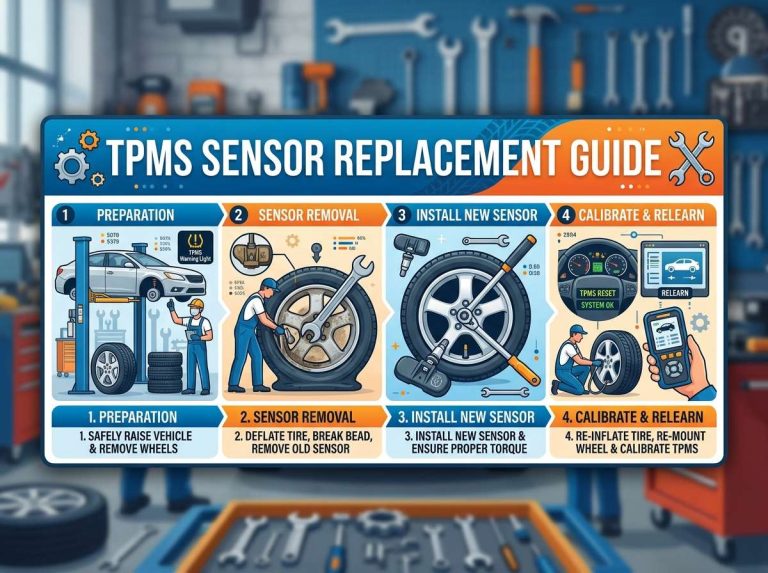
Direct systems often relearn automatically after a short drive, but some cars need a manual reset through a button, usually labeled TPMS reset, located under the steering wheel or in the glove box. After adjusting tire pressure to the correct level, you hold the button until the warning light blinks, then drive for a few minutes to let the system recalibrate.
Resetting Indirect TPMS
Indirect systems usually need a reset through the car’s infotainment menu or a dedicated button. After setting all tires to the correct pressure, you go into the settings menu, find the TPMS reset option, confirm it, and drive the car for several minutes at a steady speed so the system can relearn the normal wheel rotation pattern.
Since indirect TPMS depends on comparing wheel speeds, driving a few miles at a steady pace after resetting helps the system build an accurate baseline of what “normal” looks like for your tires.
Common Myths About TPMS
There are a few misunderstandings that pop up a lot when people talk about tire pressure monitoring.
Myth: TPMS tells you the exact moment a tire goes flat. In reality, most systems only alert you once pressure drops a certain percentage below the recommended level, often around 25 percent low. This means a tire could already be somewhat underinflated before the warning shows up.
Myth: TPMS replaces the need to check tire pressure manually. Even with a working system, it is still smart to check tire pressure with a gauge every so often, especially before long trips or during big temperature swings, since pressure can change with weather.
Myth: All TPMS systems work the same way. As we covered here, direct and indirect systems use completely different methods, and their accuracy levels are not identical.
Tips for Keeping Your TPMS Working Well
Regardless of which system your car has, a few habits help keep things running smoothly:
- Check tire pressure manually once a month with a simple gauge
- Set tires to the pressure listed on the sticker inside your driver door, not the number printed on the tire itself
- Reset the system properly after any tire rotation, replacement, or pressure adjustment
- Watch for temperature changes, since cold weather often causes pressure to drop
- Get sensors inspected during regular tire service, especially for direct TPMS systems with batteries
Final Thoughts
Both direct and indirect TPMS aim to keep you safe by warning you when tire pressure gets too low. Direct TPMS offers more accurate, detailed information by measuring actual air pressure inside each tire, while indirect TPMS takes a simpler, more affordable route by comparing wheel speeds through the ABS system.
Neither system is perfect, but knowing the difference helps you understand your car better and respond properly when that warning light turns on. If you are shopping for a new vehicle and tire pressure accuracy matters a lot to you, direct TPMS might be worth looking for. If cost and simplicity matter more, a car with indirect TPMS could still serve you just fine, as long as you stay on top of manual pressure checks.
At the end of the day, the real goal is the same no matter which system your car uses: keep your tires properly inflated, drive safely, and avoid the risks that come with bad tire pressure. A little knowledge about direct vs indirect TPMS goes a long way toward becoming a smarter, safer driver.

Peterson is an automotive safety enthusiast and product reviewer with a passion for helping drivers stay safe on the road. He researches and tests dash cams, backup cameras, TPMS systems, emergency tools, GPS trackers, and other vehicle safety products to provide honest, practical recommendations. Through CarSafeties.com, Peterson shares in-depth reviews, buying guides, and maintenance tips to help drivers make smarter and safer decisions.