
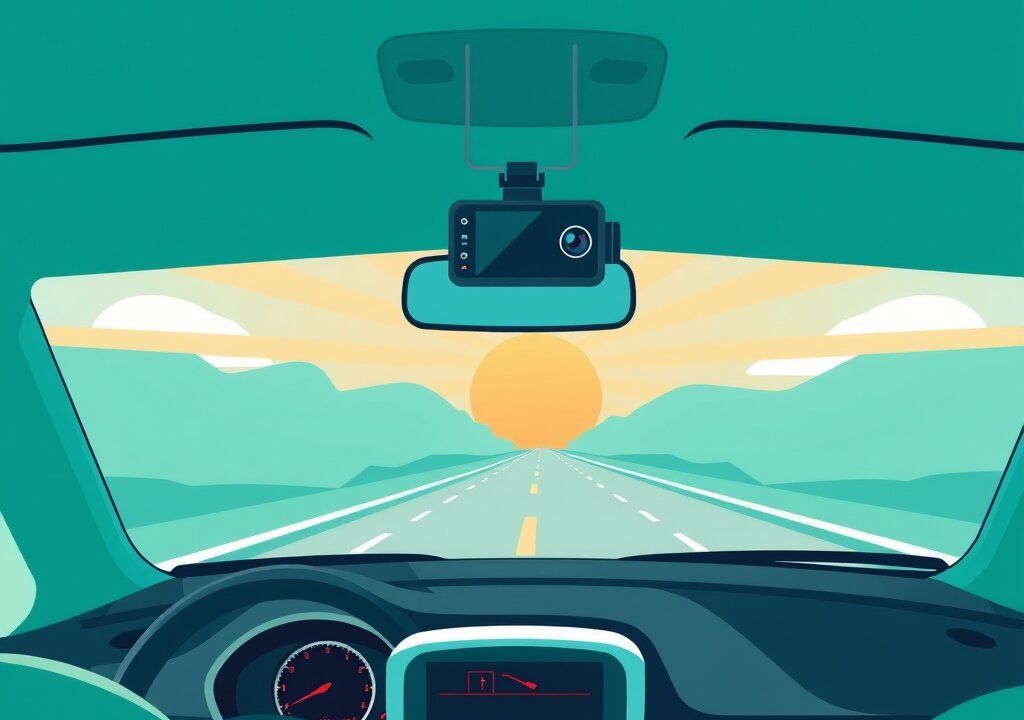
Dash Cam Field Of View Explained
A dash cam field of view is the area that a camera lens can see at one time. It describes how much of the road, the sides and the sky appear in your footage. The right field of view affects how much you capture and how clearly you capture it.
This article explains field of view in plain words. It covers how the number is measured, how wide and narrow lenses differ, and how angle affects detail. It also offers simple tips for checking coverage before and after you install.
Key Takeaways
- Field of view is the area a dash cam lens can see, usually given in degrees.
- A wider angle covers more of the road but can make distant objects smaller.
- A narrower angle gives more detail in the center but may miss side events.
- Resolution and angle work together, so a wide view still needs enough pixels.
- Check sample footage and mounting position before you rely on a camera.
What Field of View Means in a Dash Cam
Field of View Defined in Plain Words
Field of view, often shortened to FOV, is how much of a scene a lens takes in. Think of it as the width of the window the camera looks through. A bigger window shows more of the scene.
Dash cam specifications usually give field of view as a number of degrees. A higher number means a wider area, and a lower number means a smaller, more focused area.
Why Dash Cam Angle Matters on the Road
The angle decides what ends up in your recording. A narrow view may show only the lane directly ahead, while a wider view may also capture nearby lanes, crossing traffic and the road edges.
Coverage matters as much as image quality. After an incident, footage that misses the key scene is of little use.
How Dash Cam Field of View Is Measured
Degrees of Viewing Angle Explained
Viewing angle is measured in degrees, like a slice of a circle. A full circle is 360 degrees, so a lens with a 140 degree view covers a large slice of the scene in front of it.
The number describes the angle from one edge of the image to the other, not how far the camera can see. A wide-angle camera can still record distant objects in small detail.
Diagonal, Horizontal and Vertical Views
Some manufacturers list the diagonal angle, which runs from one corner of the image to the opposite corner. Others list the horizontal angle, from the left edge to the right edge, and a few give a vertical angle.
The diagonal number is always the largest. The horizontal number usually matters most for road coverage, so check which measurement a listing uses before comparing cameras.
Why Manufacturers Quote Different Numbers
Brands do not always use the same method, which makes side-by-side comparisons harder for beginners. Some listings also show rounded or marketing figures.
Look for the measurement type and a clear note on how it was taken to compare more fairly.
Wide, Narrow and Everything in Between
What a Wide Angle Dash Cam Captures
A wide angle lens captures more of the road, including lanes beside you and objects near the edges of the frame. This helps when another vehicle changes lanes or enters from a side street.
Front-facing dash cams often use wide views for this reason. They give a broad picture of the situation around the car.
When a Narrower Lens Makes Sense
A narrower lens focuses on a smaller area in front of the car. Objects in the center appear larger and clearer, which helps with reading signs or seeing details far down the road.
Some drivers prefer moderate angles because they balance coverage and detail. The right choice depends on the roads you drive most and what you want the camera to record.
Lens Distortion and Fisheye Effects
Very wide lenses can bend straight lines near the edges of the image. This effect is often called fisheye distortion, and objects at the sides may look curved or stretched.
Distortion does not always make footage useless. It can, however, make distances and vehicle positions harder to judge, so many buyers look for a lens that keeps distortion under control.
How Field of View Affects Video Detail
Wide Coverage Versus Sharp Detail
A camera has a fixed number of pixels, the tiny dots that make up an image. When a wide area fills the same number of pixels, each object gets fewer pixels, which can mean less detail for distant objects.
This is a trade-off. Wide coverage shows more of the scene, while a narrower view shows the same object with more pixels.
The Role of Resolution in Readable Footage
Resolution is the number of pixels in the image, often shown as a figure such as 1080p or 1440p. Higher resolution gives more room for detail and works together with the viewing angle.
A wide view with low resolution may show the road but not the license plates of nearby cars. Buyers should therefore consider both resolution and angle rather than the angle alone.
Why Plate Capture Can Suffer at Wide Angles
License plates are small in a wide frame, especially when the vehicle is far away or to the side. The fewer pixels on the plate, the harder it is to read, which is a common limit of wide lenses.
A plate that is close and centered is more likely to be readable. Plates at the edges of a wide frame are often the hardest to capture clearly.
Picking the Right Angle for Your Vehicle
Front-Facing Dash Cams and Road Coverage
Most people start with a front-facing dash cam. The front lens records the road ahead, where many incidents happen. A moderate to wide view is a common choice.
Consider your usual roads. City streets with side lanes may need more width. Highways are often well covered by a more focused view of the lane ahead.
Rear and Interior Camera Angles
Rear cameras should show the lane behind and the area near the back bumper. Many use a narrower or moderate view, since the main goal is the road behind.
Interior cameras face the cabin and should cover the driver and sometimes passengers. The aim is a clear view of the cabin, not the whole outside scene.
Mounting Position and Its Effect on Coverage
Where the camera sits changes what it sees. A higher mount may show more road and less hood, while a low mount can capture more hood and less road.
The mount and windshield position set the placement. A slight angle adjustment during installation can improve the balance of road and sky in the frame.
Common Field of View Mistakes Beginners Make
Assuming Wider Is Always Better
A wider lens is not automatically the best choice. It can add distortion and reduce detail on distant objects. A balanced view often works better for everyday driving.
Weigh coverage against clarity. The right angle records what you need in readable detail.
Ignoring Windshield Tint and Glare
Tinted windshields and sun glare can affect how a camera records the scene. Some tints darken footage, and glare can wash out part of the image.
Checking the view through the windshield during setup helps reveal these issues early. Some drivers adjust the mount or use a suitable filter to reduce glare.
Overlooking Lane and Intersection Coverage
Many buyers focus on the road straight ahead and forget the sides. Intersections are where many collisions occur, and a camera that cannot see cross traffic may miss key events. Think about how often you turn or pass through busy junctions.
A slightly wider view can help, but only if the image stays clear. Reviewing sample footage can show if side lanes and crossing roads appear in the frame.
Tips for Checking Field of View Before You Buy
Reading Product Specifications Carefully
Find the angle figure and note if it is diagonal or horizontal. Then check the resolution, since the two work together. A product page that gives both numbers clearly is easier to compare.
Look for details about lens design and distortion control too. If these are missing, the listing gives you less to judge by.
Reviewing Sample Footage Shot by Others
Sample videos show what a camera records in real conditions. Watch how well distant objects, road signs and license plates appear in the frame. Check daytime and low-light clips if they are available.
Footage can be edited or shot under ideal conditions. Look for a range of clips rather than one polished example.
Testing Angle Once Installed
After installation, check the live view on the screen or app. Confirm that the road, the lane lines and the sky sit in a sensible balance. Adjust the mount if the view looks too high or too low.
Record a short clip while driving and review it. This shows if the angle captures the areas you care about.
Field of View and Legal or Insurance Questions
Why Footage Coverage Can Matter in a Claim
Dash cam footage may help show how an incident happened. A camera that covers the road, the lanes and the intersection gives a clearer record. Coverage of the full scene can be as useful as a sharp image.
Footage is only one piece of evidence. Insurers and authorities weigh many factors, and a dash cam cannot guarantee any outcome.
Checking Local Rules on Camera Placement
Some regions have rules about where devices may be mounted on a windshield. These rules often focus on keeping the driver’s view clear. Checking local guidance before installation helps avoid problems.
Rules differ by location, so confirm them with official local sources. A general guide cannot cover every area.
Frequently Asked Questions
What is a good field of view for a dash cam?
A moderate to wide angle is a common choice for front-facing cameras. It covers the lanes around the car without making distant objects too small. The best figure depends on the roads you drive most often.
Does a wider field of view mean a better dash cam?
Not always. A wider view covers more of the scene but can reduce detail and add distortion. Clarity and resolution matter just as much as coverage.
Why do dash cam specs list different degree numbers?
Manufacturers may measure the angle in different directions, such as diagonal or horizontal. Some listings also use marketing figures. Check which measurement is given before comparing products.
Can I change the field of view on my dash cam?
Most dash cams have a fixed lens, so the angle cannot be changed. You can adjust the mount tilt and position to change what the camera records. Some models offer different recording modes, but the lens angle usually stays the same.
Does field of view affect night recording quality?
Yes, indirectly. A wide view spreads light across more of the image, which can make each area darker. Night performance also depends on the sensor and lens quality, so check sample footage shot in low light.
Conclusion
Field of view is the area a dash cam lens can see, usually measured in degrees. A wider angle covers more of the road, while a narrower one gives more focused detail. Both must be balanced against resolution and distortion.
Before buying, check the measurement type, review sample footage and confirm the mounting position. Once installed, test the live view and a short drive clip. This helps the camera record what matters on your road.

Peterson is an automotive safety enthusiast and product reviewer with a passion for helping drivers stay safe on the road. He researches and tests dash cams, backup cameras, TPMS systems, emergency tools, GPS trackers, and other vehicle safety products to provide honest, practical recommendations. Through CarSafeties.com, Peterson shares in-depth reviews, buying guides, and maintenance tips to help drivers make smarter and safer decisions.

One Comment